Written by: Tyler Himes, Senior Brand Manager – James B. Beam Distilling Co.
Key Takeaways
- Four detailed Southern road trip routes include night counts, drive times, and booking tips so you can pick the right fit.
- The Classic Deep South route runs 10–14 nights along Highway 61 and highlights Nashville, Memphis, Clarksdale, Natchez, and New Orleans.
- Coastal, mountain, and bourbon-focused routes give options for Lowcountry charm, Blue Ridge scenery, or Kentucky whiskey heritage.
- Advance reservations are essential for Charleston, New Orleans, and major distilleries during peak seasons.
- James B. Beam Distilling Co. is an ideal bourbon trail stop for I-65 travelers, anchored by the Beam Made Bourbon Tour & Tasting.
Route 1: Classic Deep South On Highway 61
This route follows Highway 61, the Blues Highway, and rewards travelers who slow their pace.
Night-by-night allocation:
- Nashville: 2 nights
- Memphis: 2 nights
- Clarksdale: 1 night
- Natchez: 1 night
- New Orleans: 2–3 nights
Drive times between stops:
- Nashville to Memphis: approximately 3 hours via I-40 West (210 miles)
- Memphis to Clarksdale: about 1 hour 20 minutes via US-61 South (77 miles), though you should budget 3–4 hours if you stop along the Blues Highway.
- Clarksdale to Natchez: continue south on US-61 through the Mississippi Delta, approximately 3 hours 47 minutes, covering about 216 miles (348 km).
- Natchez to New Orleans: approximately 172 miles via US-61 S and I-10 E, taking about 3 hours and 1 minute.
The Highway 61 stretch through the Mississippi Delta forms the heart of this route. It is a 348-mile cultural corridor from Memphis to New Orleans that passes the Crossroads in Clarksdale, Dockery Farms, and the B.B. King Museum. Plan the Memphis-to-Natchez leg over two days so the Delta becomes a stop, not just a view from the windshield.
Advance-booking tips: Beale Street hotels in Memphis and French Quarter hotels in New Orleans fill quickly on weekends. Book both at least 6–8 weeks ahead for weekend stays, since New Orleans rates climb sharply on peak dates.
Verdict: This route suits music and history travelers and first-time Deep South visitors who want cities and culture more than coastline or mountains.
Route 2: Lowcountry Coastal Drive From Charleston To Jekyll Island
This route focuses on slow travel, with architecture, seafood, Spanish moss, and tidal marshes at a relaxed pace.
Night-by-night allocation:
- Charleston: 2–3 nights
- Beaufort: 1–2 nights
- Savannah: 2 nights
- Jekyll Island: 1–2 nights
Drive times between stops:
- Charleston to Beaufort: about 70 miles, approximately 1 hour 28 minutes nonstop.
- Beaufort to Savannah: about 42–43 miles, typically roughly 50 to 65 minutes in normal traffic.
- Savannah to Jekyll Island: approximately 1 hour 30 minutes.
Advance-booking tips: Charleston hotel rates average $300–$500 per night in spring and drop 25–30% below the April peak in the back half of January and most of November. Midweek stays in Charleston and Savannah usually cost less than weekends. Marquee Charleston restaurants like FIG and Husk book out 2–4 weeks ahead, with reservations opening 28 days out.
Beaufort and Jekyll Island work as quieter, less expensive middle stops. Beaufort’s average nightly vacation rental rate runs around $229, roughly 20–35% below comparable Hilton Head properties. Jekyll Island, a state-owned barrier island with capped development, offers a genuinely uncrowded alternative to the busier Georgia coast.
Best time of year: Spring (March through May) brings blooming azaleas and highs in the 70s°F. Fall (September through November) stays quieter and nearly as pleasant. Summer brings heat, humidity, and higher prices.
Verdict: This route fits travelers who care most about food, architecture, and a slower pace rather than mountains or live-music scenes.
Route 3: Blue Ridge Parkway And Great Smokies Loop
This route centers on scenery, linking two of the most dramatic landscapes in the Eastern United States with one road.
Night-by-night allocation:
- Shenandoah Area: 1 night
- Asheville: 2 nights
- Smokies Gateway (Gatlinburg or Cherokee): 2 nights
The Blue Ridge Parkway runs 469 miles from Rockfish Gap, Virginia to Cherokee, North Carolina, with a speed limit of 45 miles per hour, reduced to 35 or 25 mph in certain sections. It connects directly to Great Smoky Mountains National Park, which has about 384 miles of roads available for auto touring, with primary roads open year-round, weather permitting. Cades Cove, one of the most visited areas in the Smokies, offers wildlife viewing and historic homesteads. Cades Cove Loop Road closes to motor vehicles every Wednesday from May through September.
Closure tips: As of September 2026, approximately 33 miles of the Blue Ridge Parkway between Mount Mitchell State Park and US-221 near Linville Falls remain closed due to Hurricane Helene damage. Always check current conditions at the National Park Service Blue Ridge Parkway road closures page before departure. There are no gas stations on the Parkway, so fill up beforehand.
Fall foliage timing: The National Park Service notes that fall color begins at the highest elevations in late September, with the main wave moving down the mountainsides through October. October brings the best color and the biggest crowds, so popular parking areas fill early.
Verdict: This route works best for scenery and hiking fans who care less about big-city nightlife.
Route 4: Kentucky Bourbon Trail Bardstown Corridor
The Kentucky Bourbon Trail functions as a full destination, not a side errand, and it fits naturally into many Southern drives.
The trail drew 2.7 million visitors in 2025, matching its record-setting 2024 total, and operates as a statewide destination experience in Kentucky, with an official trailhead on the KY 245 (Clermont Road) tourism corridor in Bullitt County that connects to the I-65 interchange. I-65 already carries many Deep South road trippers, so routing through this corridor creates a natural bourbon day. For more itineraries that end here, see Southern Road Trip Ideas That End At A Bourbon Distillery.
Night-by-night allocation:
- Louisville: 1 night (base for the trail)
- Clermont/Bardstown Area: 1–2 nights
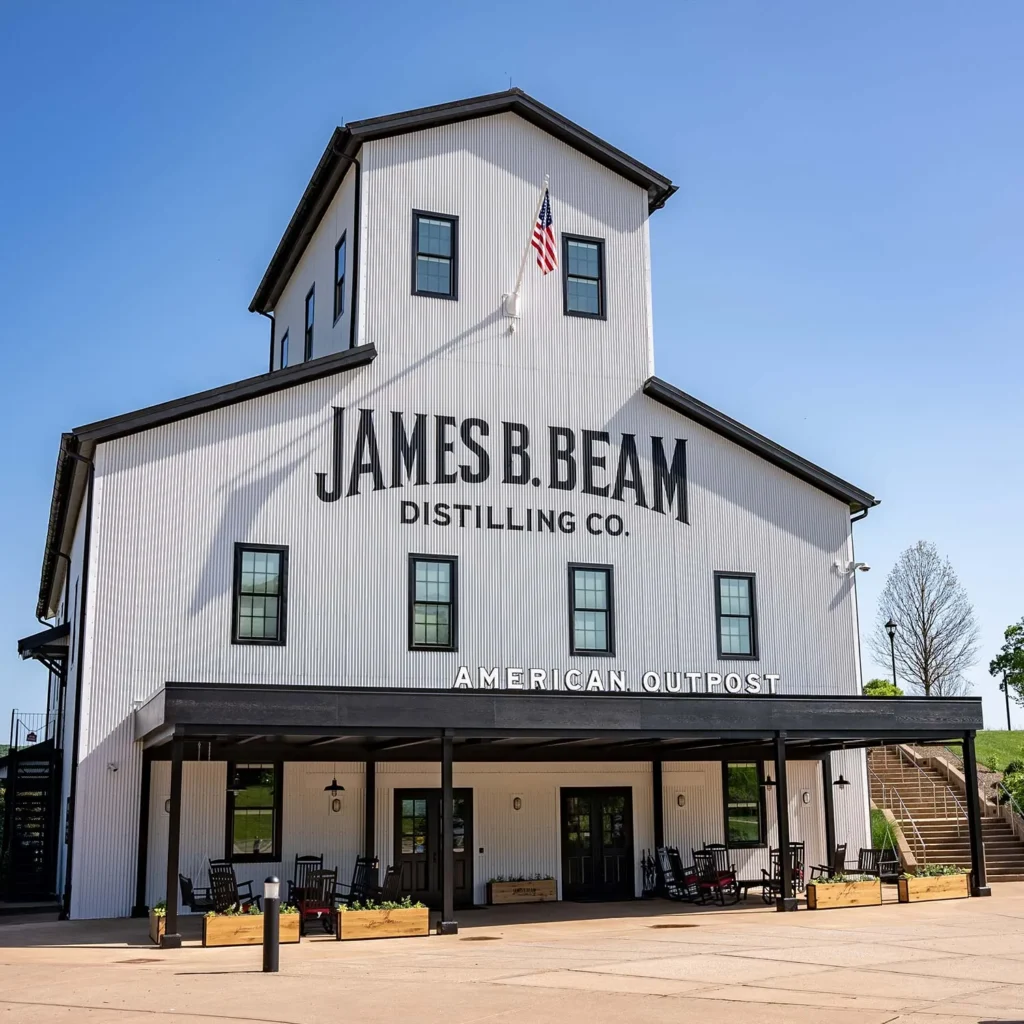
The natural first stop is the James B. Beam Distilling Co. in Clermont, Kentucky, about 30 minutes south of Louisville, right off I-65 between Louisville and Bardstown. It is the home of Jim Beam, the world’s #1 bourbon, and a working distillery where eight generations of one family have made whiskey since Jacob Beam sold his first barrel in 1795.
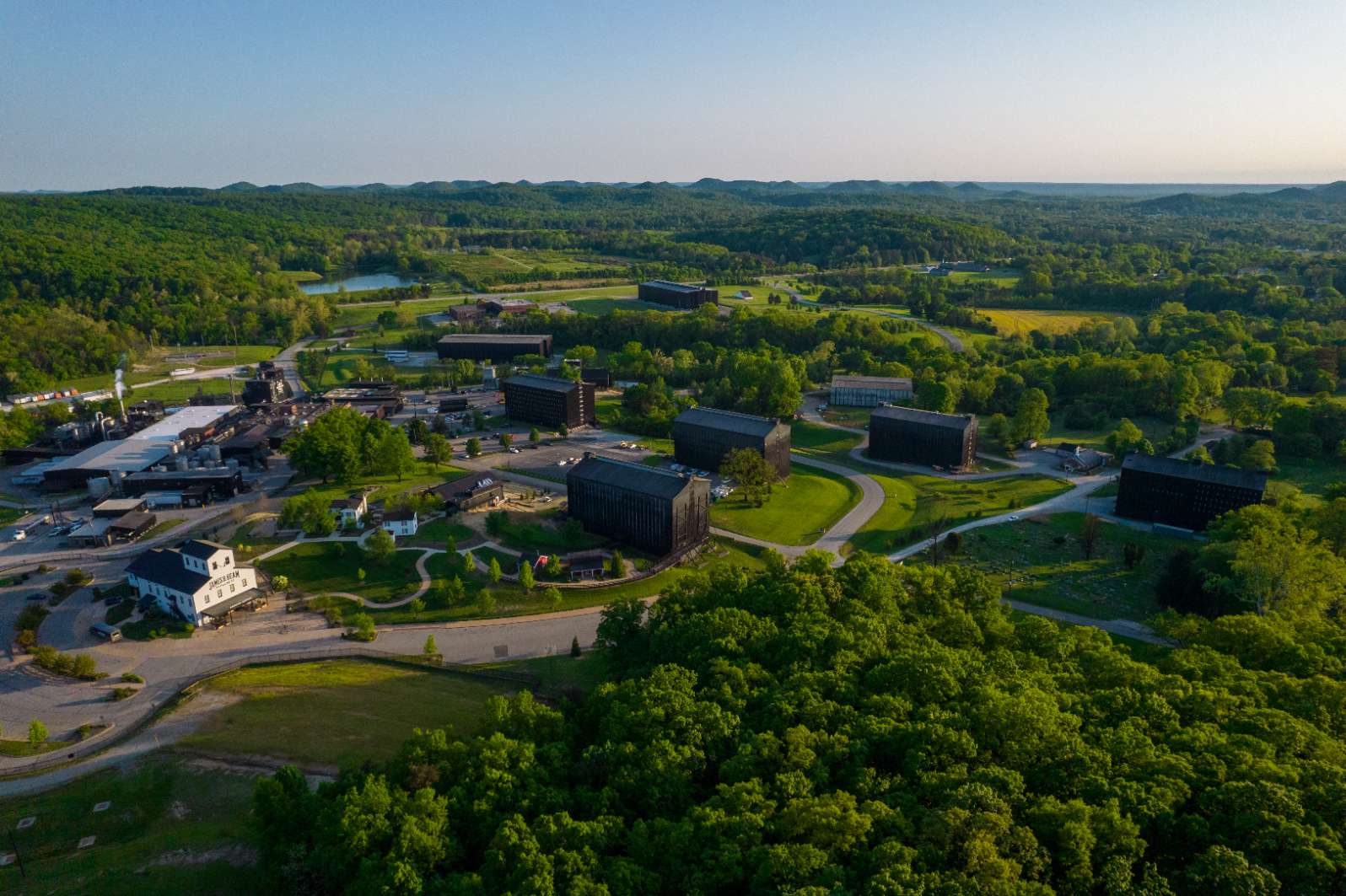
The flagship experience is the Beam Made Bourbon Tour & Tasting, a 75-minute grain-to-glass walk through the working distillery priced at $30 plus tax and fees, with a group cap of 24 guests. Popular weekend slots often sell out, so advance booking pays off. The tour is hands-on by design. Guests taste five bourbons as they go, fill and dump a real barrel, and can bottle their own Knob Creek on the T-Line, sealing it with a thumbprint pressed into the wax. The Kitchen Table restaurant turns the stop into a full day out, with Kentucky-inspired fare including a sourdough pizza made with the same yeast strain used in the bourbon.
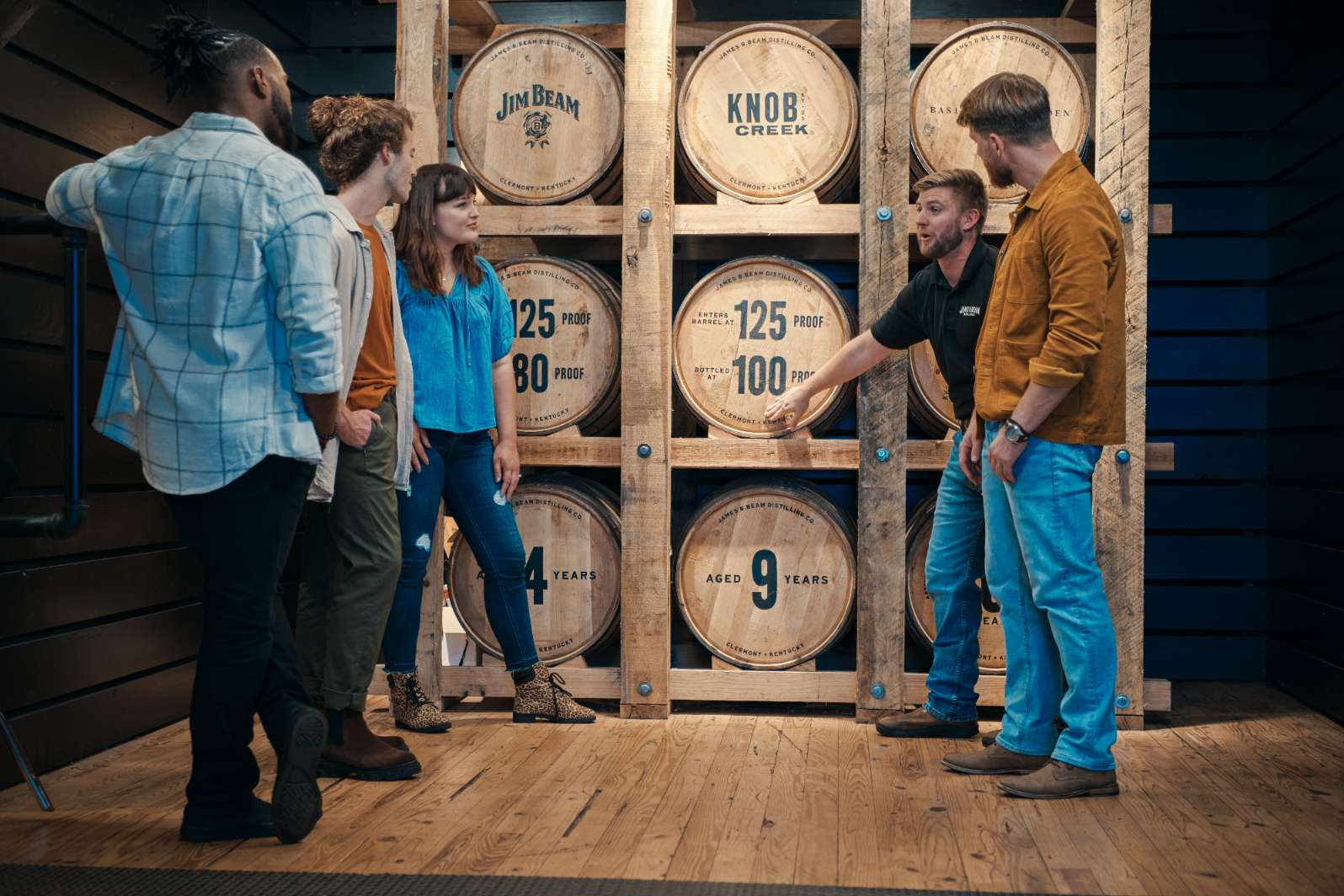
Bardstown, known as the Bourbon Capital of the World, sits nearby and rounds out the corridor. It is about 15 miles (24 km) south of Clermont, roughly a 22-minute drive, with Maker’s Mark and Heaven Hill both offering strong visitor programs in the same area. See the full 7–10 day Southern road trip stop guide for ideas on sequencing the Bourbon Trail with the rest of the South.

Verdict: This corridor fits anyone driving I-65 who wants one standout distillery day, with all tastings 21+ with valid ID.

Reserve Your Beam Made Bourbon Tour & Tasting
How Many Days You Need For A Deep South Road Trip
Seven days covers a compressed version of the Classic Deep South route from Nashville to New Orleans, but the pace feels tight. That version usually drops Birmingham, Mobile, Bay St Louis, and the Cajun Coast. It also tends to skip the Natchez overnight and squeezes the Delta stretch between Clarksdale and Natchez into one long driving day, which shortchanges the region.
For most travellers, 10 to 14 nights is the comfortable duration for the Classic Deep South road trip. At 10 days you can give New Orleans 3 nights, Memphis 2, Nashville 2, and still spend a night each in Clarksdale and Natchez without rushing. At 14 days you can add the Kentucky Bourbon Trail Bardstown corridor at the top of the route, traveling Louisville to Clermont to Bardstown before dropping south on I-65 toward Nashville.
How The 3-3-3 Rule Helps Pace A Road Trip
The 3-3-3 rule is a pacing strategy with three parts: drive no more than 300 miles in a day, arrive by 3 p.m., and stay at least 3 nights in each place. The 300-mile cap keeps driving days to roughly 6 hours at a relaxed pace with a few short breaks. The 3 p.m. arrival leaves daylight to enjoy your destination. The 3-night minimum keeps the trip from turning into a blur of check-ins. Road safety guidance also recommends a 15-minute break every 2–3 hours regardless of total mileage.
Best Time Of Year For Each Southern Route
Timing affects crowds, prices, and comfort on every route, and a few patterns repeat.
- Lowcountry Coastal Route: April through May and September through October offer the best combination of weather, manageable crowds, and rates below peak pricing. Spring brings blooming azaleas and comfortable temperatures. July averages 92°F in Charleston, so summer feels hot and heavy.
- Blue Ridge & Smokies Route: October is the window for fall foliage, with color moving from the highest peaks down through the valleys across the month. It is also the busiest month in the Smokies, so book accommodations early. Spring (May–June) offers rhododendron blooms on the high balds as a quieter alternative.
- Classic Deep South: Spring (March–May) and fall (September–November) work best for the Delta stretch, since summer temperatures often exceed 90°F across Mississippi and Louisiana.
- Kentucky Bourbon Trail: The trail runs year-round, but September and October offer ideal weather (roughly 55–80°F) and fall foliage, with higher prices and heavier demand. Hotels and tours often book up months in advance during that window.
Frequently Asked Questions
How Many Days Does Each Route Require?
For most travellers, the Classic Deep South road trip runs 10 to 14 nights, with a shorter version possible in around 10 nights by focusing on Nashville, Memphis, and New Orleans. The Lowcountry Coastal Route fits into 7–9 days, though Lonely Planet’s Charleston-to-Savannah itinerary breaks the trip into segments totaling about 10 days. The full Blue Ridge Parkway route from Shenandoah to Great Smoky Mountains is recommended as a 5–7 day trip at a comfortable pace, with a rushed 3-day option. The Kentucky Bourbon Trail’s Bardstown corridor typically takes 2–3 full days, according to Boozemakers’ 2026 trail guide.
What Is The 3-3-3 Rule For A Road Trip?
The 3-3-3 rule means driving no more than 300 miles per day, arriving at your destination by 3 p.m., and staying at least 3 nights in each place. It is widely described as RV travel guidance that has existed for decades and also works well for multi-stop road trips. The 300-mile cap keeps daily driving to roughly 6 hours with breaks. The 3 p.m. arrival preserves daylight for exploring. The 3-night minimum keeps the trip from feeling like constant unpacking.
Where Should I Stop Between Nashville And New Orleans?
The most rewarding stops on the Nashville-to-New Orleans corridor are Memphis, Clarksdale, and Natchez. Plan 2 nights in Memphis for Beale Street, Sun Studio, and Graceland. Clarksdale, Mississippi, features attractions including the Delta Blues Museum and the Crossroads, the intersection of Highways 61 and 49, open 24 hours, which you can visit in one night. Natchez is known for its well-preserved antebellum architecture, with more than 600 examples, and as the namesake and southern terminus of the Natchez Trace Parkway. The drive from Nashville to Memphis is about 3 hours via I-40. From Memphis, US-61 south, the Blues Highway, carries you through the Mississippi Delta to Natchez, then on to New Orleans. If you route through Louisville first, add the Kentucky Bourbon Trail leg before dropping south on I-65 to Nashville.
When Is The Best Time For A Blue Ridge Parkway Road Trip?
October is the peak month for fall foliage on the Blue Ridge Parkway, with color beginning at the highest elevations in late September and moving down the mountainsides through the month. It is also the busiest period, so book accommodations early. Spring, particularly May and early June, offers rhododendron and mountain laurel blooms with thinner crowds. Always check the National Park Service road closures page before departure, since weather and storm damage can close sections with little notice. As of late 2026, a stretch between Linville Falls and Mount Mitchell remains under repair from Hurricane Helene damage.
Do You Need Reservations On The Kentucky Bourbon Trail?
Most distillery tours on the Kentucky Bourbon Trail require reservations. Popular time slots fill well in advance, and many larger distilleries book out months ahead, especially in fall and during Derby week. Weekend slots usually disappear faster than weekdays. Walk-in visits to gift shops and some tasting bars remain possible at certain distilleries, but guided tours require advance booking. At the James B. Beam Distilling Co., the Beam Made Bourbon Tour & Tasting caps at 24 guests per session, so booking ahead is strongly recommended. You can still visit the grounds, the American Outpost gift shop, and The Kitchen Table restaurant without a tour reservation.
How Long Is The Beam Made Bourbon Tour And What Does It Cost?
The Beam Made Bourbon Tour & Tasting runs approximately 75 minutes and costs $30 plus tax and fees. Plan on spending two to three hours total on the grounds when you add time for the gift shop and a meal at The Kitchen Table. The tour includes a grain-to-glass walk through the working distillery, five bourbons tasted as you go, and hands-on moments including filling and dumping a real barrel. Guests can also bottle their own Knob Creek on the T-Line and seal it with a thumbprint in wax for $59.99 per bottle. Active military visit free with valid ID, and veterans receive a discount.
Can I Visit The James B. Beam Distilling Co. Without A Tour Reservation?
You can visit the James B. Beam Distilling Co. grounds without a tour reservation. The American Outpost gift shop and Tasting Bar, along with The Kitchen Table restaurant, remain open to walk-in guests. The gift shop carries hard-to-find and distillery-exclusive bottles available on the shelf without timed drops or lotteries. The three-tier Tasting Bar offers pours from across the full portfolio, including archived products. Guided tours and tastings require advance booking and depart on schedule, and guests cannot join a tour already in progress.
Conclusion: Choose Your Route And Give It Enough Time
Pacing shapes the quality of any Southern road trip more than the exact route. A 14-day Deep South loop driven at 500 miles a day feels more tiring than a 7-day route paced at 300 miles. Every itinerary here works; the key is giving each stop enough nights to actually experience it.
The one addition that consistently elevates a Southern drive is the Kentucky Bourbon Trail Bardstown corridor. It sits near the I-65 corridor many Deep South travelers already use, draws nearly 3 million visitors a year, and the James B. Beam Distilling Co. in Clermont makes an ideal first stop. You are 30 minutes south of Louisville, right off the interstate, with 230 years of family history and the world’s #1 bourbon made on site. One 75-minute tour, five bourbons tasted along the way, and a meal at The Kitchen Table can turn a simple driving day into a highlight of the trip.
Please enjoy responsibly. All tastings at the James B. Beam Distilling Co. are for guests 21 and older with valid ID, consistent with Drink Smart® responsible drinking principles.
This article is promotional content of James B. Beam Distilling Co. Please practice responsible drinking.