Key Takeaways
- Living historic places in the South combine documented history with hands-on participation, so visitors engage directly instead of only observing.
- Kentucky anchors this idea through the Beam family’s eight-generation legacy, using the same limestone water and wild yeast strain since the 1790s.
- The nine featured sites span Colonial, Civil War, and Civil Rights eras, and each offers interactive programs that bring history into the present.
- James B. Beam Distilling Co. stands out as the only active 1795-era working distillery where guests can fill barrels, taste five bourbons, and bottle their own Knob Creek.
Colonial Era Living History Sites
1. Colonial Williamsburg — Williamsburg, Virginia
Colonial Williamsburg is a 300-plus-acre living history museum preserving Virginia’s colonial capital from 1699 to 1780, with costumed interpreters, working trades, and interactive programs that reconstruct daily life before the Revolution. Visitors walk the original street grid, watch a blacksmith or printer at work, and talk with interpreters in character. Plan a full day, because the site rewards slow exploration. Pair it with a drive south toward the Outer Banks or Richmond’s Civil War sites for a multi-day Virginia itinerary.
2. Castillo de San Marcos — St. Augustine, Florida
Castillo de San Marcos is the oldest masonry fortification in the continental United States, built by the Spanish in the late 17th century with coquina walls to defend against British forces. Weekend ranger demonstrations include musket and cannon firings, which turn the fort into one of the most participatory colonial sites in the Southeast. St. Augustine’s compact historic district pairs naturally with the fort for a full day. The city’s Spanish colonial architecture extends the story well beyond the walls.
3. Whitney Plantation — Wallace, Louisiana
Whitney Plantation is a nonprofit museum on a former sugar, indigo, and rice plantation operating from 1752 to 1975, presenting its history entirely from the perspective of enslaved Africans, African Americans, and Creoles of color. It is the only plantation museum in Louisiana with this interpretive focus, and its guided and self-guided tours are among the most historically rigorous in the South. Located about an hour west of New Orleans, it pairs well with the city’s French Quarter and Civil Rights-era sites for a multi-day Louisiana itinerary.
Civil War Era Landmarks and Living Heritage
The story of Southern living heritage moves from colonial foundations into the upheaval of the Civil War. These sites show how battlefields, river forts, and even working distilleries still shape daily life.
4. Fort Sumter National Historical Park — Charleston, South Carolina
Fort Sumter is the sea fort in Charleston Harbor where the opening shots of the Civil War were fired on April 12, 1861, and it is accessible by ferry from the Charleston waterfront. The crossing itself frames the site’s strategic importance, and ranger programs on the island connect the fort’s fall to the four years of conflict that followed. Book the first morning ferry for cooler temperatures and softer light. Charleston’s walkable historic district fills the afternoon.
5. Vicksburg National Military Park — Vicksburg, Mississippi
Vicksburg National Military Park preserves more than 1,800 acres of Civil War battlefield from the pivotal 1863 siege. The park’s driving tour covers the full perimeter of the Confederate lines, and the on-site USS Cairo Museum houses a recovered ironclad gunboat. Vicksburg pairs well with Natchez to the south for a Mississippi River heritage loop.
6. James B. Beam Distilling Co. — Clermont, Kentucky
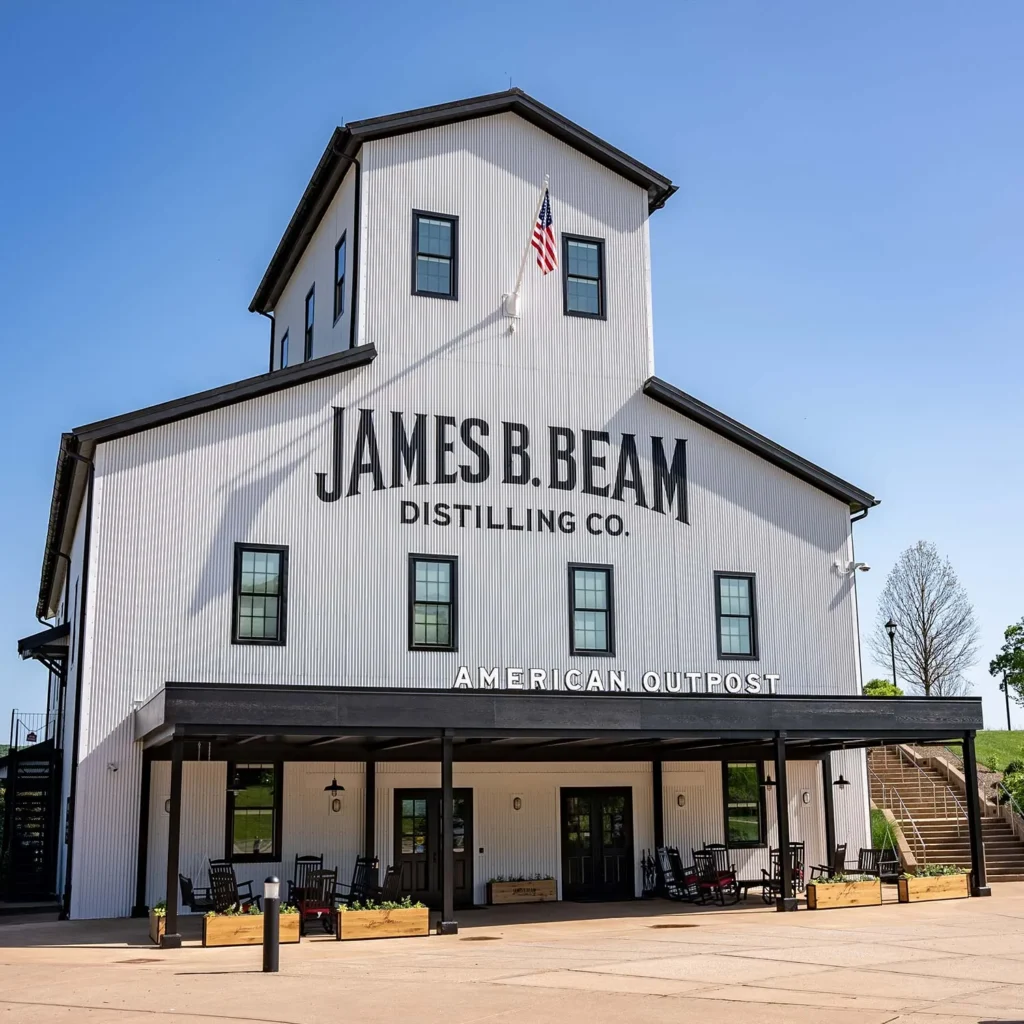
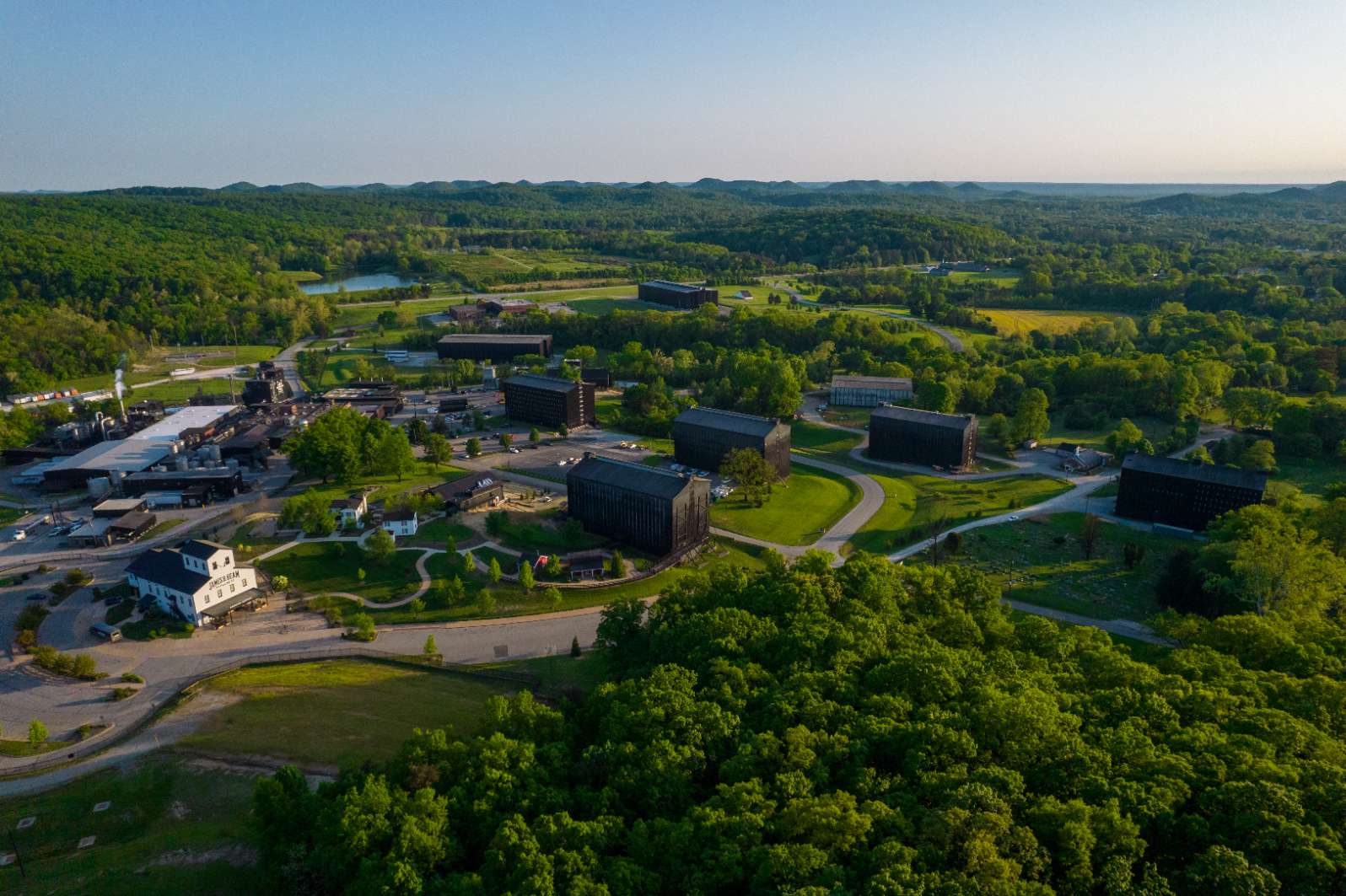
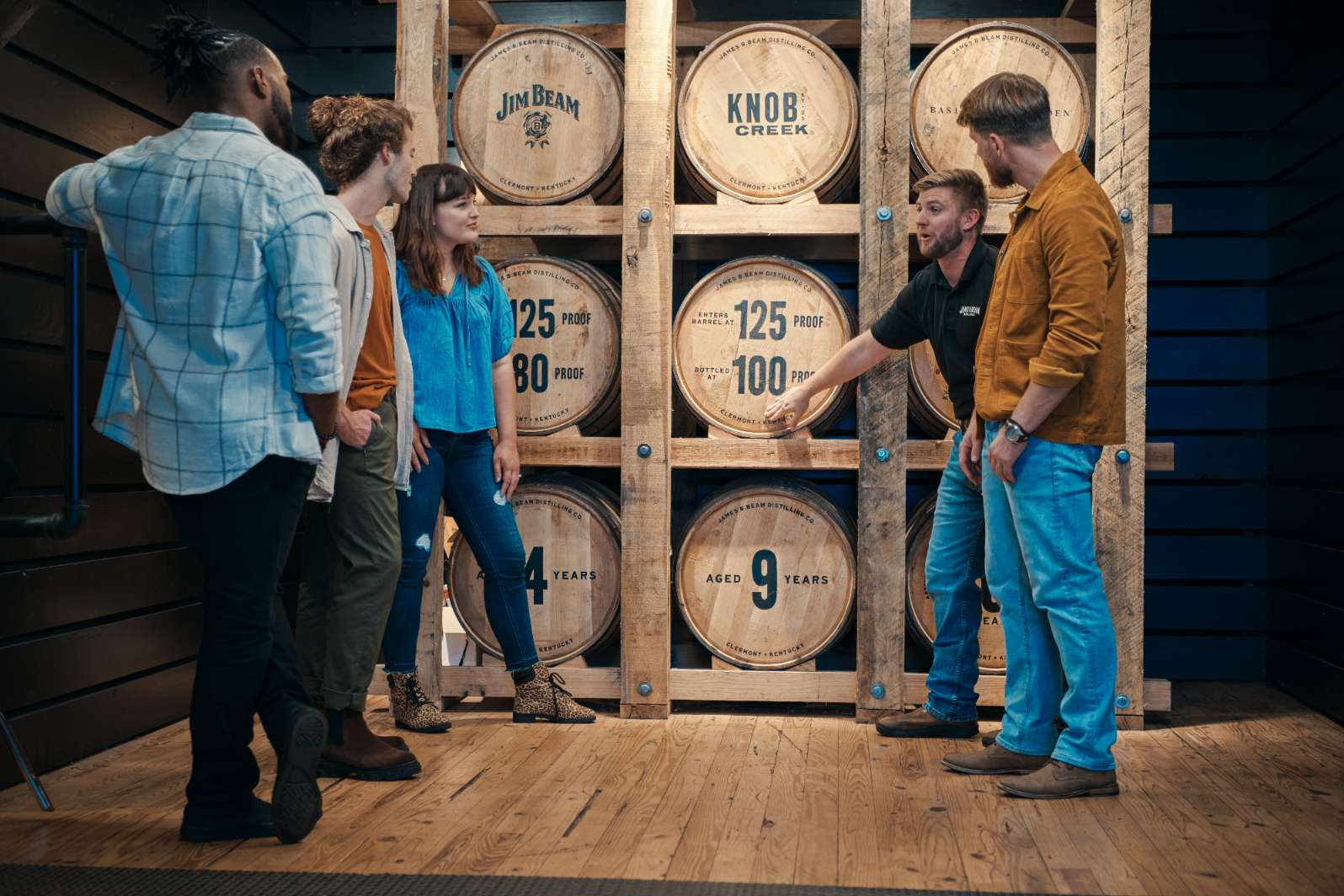
James B. Beam Distilling Co. offers a Civil War–era story rooted in commerce rather than combat. Jacob Beam was already selling bourbon when the war began, and the distillery’s limestone rackhouses and the “Hardest Working Still in America” have been running, with one Prohibition interruption, ever since. All barrels used at Beam are made from level-4 char American White Oak, following the same practice since Jacob Beam’s first barrel. On the flagship Beam Made Bourbon Tour & Tasting, guests fill and dump a real barrel, taste five bourbons as they move through the process, and bottle their own Knob Creek with a thumbprint pressed into the wax seal. This participatory approach, combined with a location thirty minutes south of Louisville off I-65, makes Beam a natural anchor for any Kentucky itinerary.
Ready to experience eight generations of bourbon-making history firsthand? Reserve your spot on the Beam Made Bourbon Tour & Tasting.
Civil Rights Era Sites That Still Shape Daily Life
The Civil Rights era carries the story of Southern history into living memory. These sites connect past struggles to current conversations about justice and equality.
7. National Civil Rights Museum — Memphis, Tennessee
The National Civil Rights Museum opened in 1991 at the Lorraine Motel where Dr. Martin Luther King Jr. was assassinated on April 4, 1968, and chronicles the American Civil Rights Movement from pre-Emancipation resistance through the Black Power era. Interactive exhibits, oral histories, and a Legacy Experience on contemporary controversies make it one of the most comprehensive Civil Rights sites in the country. Memphis’s Beale Street and barbecue culture extend the visit into a full day.
8. Edmund Pettus Bridge — Selma, Alabama
The Edmund Pettus Bridge became a national symbol of the Civil Rights Movement after state troopers attacked peaceful voting rights marchers on Bloody Sunday, March 7, 1965, an event whose images helped secure passage of the Voting Rights Act later that year. The U.S. Civil Rights Trail offers interactive itinerary tools that connect Selma to the broader network of 15 states where the movement was forged. The Selma to Montgomery National Historic Trail and the National Voting Rights Museum fill a complete day in the city.
9. 16th Street Baptist Church — Birmingham, Alabama
The 16th Street Baptist Church in Birmingham is the site of the 1963 bombing that killed four young girls and galvanized national support for civil rights legislation. Kelly Ingram Park across the street and the Birmingham Civil Rights Institute, where visitors can touch the bars of Dr. King’s jail cell, form a walkable cluster that tells the Birmingham story in depth. The three sites together constitute a full morning. Pair them with a drive to Selma or Tuskegee for a multi-stop Alabama day.
Three-Stop Itinerary Clusters Featuring Beam
Now that you have a sense of the South’s key historic sites across three eras, you can start building a practical trip. The most efficient itineraries often center on the Kentucky Bourbon Trail, where travelers typically visit two or three distilleries per day. The Kentucky Bourbon Trail drew 2.7 million visitors in 2025, and James B. Beam Distilling Co. sits at the logical center of several popular clusters.
Cluster A — Louisville Base
Start the morning at Beam in Clermont, about 30 minutes south of Louisville off I-65. Spend 75 minutes on the Beam Made Bourbon Tour, then stay for lunch at The Kitchen Table, which keeps you on-site and off the road after tasting. Continue south to Bardstown, the Bourbon Capital of the World, for an afternoon stop at Heaven Hill or Maker’s Mark. This sequence minimizes backtracking and keeps drive times short between each experience.

Cluster B — Bardstown Anchor
Begin in Bardstown with a morning distillery visit while crowds are lighter. Drive north to Beam for the afternoon tour, then settle in for a full dinner at The Kitchen Table before returning to Louisville. Beam’s position between the two cities turns it into a natural connector that breaks the drive into comfortable segments.
Cluster C — Civil Rights + Bourbon
Fly into Louisville and spend a morning at the Muhammad Ali Center, a Civil Rights–adjacent landmark that frames the city’s modern history. Drive 30 minutes to Beam for the afternoon tour, then close the day in Bardstown. This cluster links a contemporary Civil Rights story with a two-century bourbon legacy in a single, easy loop.
Lock in your Clermont stop early, because weekend slots on the Beam Made Bourbon Tour often sell out weeks in advance during peak season.
Most Historic Cities in the South for Multi-Day Trips
Several Southern cities make it easy to string these sites into longer stays. The South’s most historically layered cities each span multiple eras and keep drive times manageable. Charleston, South Carolina, holds colonial architecture, Civil War fortifications, and one of the largest collections of antebellum houses in the country. Selma, Alabama, preserves one of the few intact antebellum business districts remaining in the South alongside its Civil Rights landmarks. Memphis anchors the Civil Rights narrative for the entire mid-South. Louisville, Kentucky, about 30 minutes north of Clermont, combines a walkable Whiskey Row, the Muhammad Ali Center, and direct access to the Kentucky Bourbon Trail, which makes it one of the most itinerary-efficient historic cities in the region.
Best Small Towns in the South for Living Heritage
Small Southern towns often carry outsized historic weight and pair well with the larger cities above. Bardstown, Kentucky, the “Bourbon Capital of the World,” clusters heritage distilleries, the Civil War–era My Old Kentucky Home State Park, and the Kentucky Bourbon Festival within a compact downtown. Selma’s five blocks of Water Avenue form one of the most intact antebellum commercial streetscapes in the country. St. Augustine, Florida, extends its Spanish colonial story well beyond the Castillo into a walkable old city. Clermont, Kentucky, home of James B. Beam Distilling Co., is the rare small town where a single address, 568 Happy Hollow Rd., delivers 230 years of continuous American history on hundreds of acres bordering Bernheim Arboretum & Research Forest.
Planning Your Visit: Tours, Pricing & Responsible Enjoyment
The flagship Beam Made Bourbon Tour & Tasting runs approximately 75 minutes, accommodates up to 24 guests per group, and is priced at $30 plus tax and fees. Beyond the hands-on experiences described earlier, the tour also offers the option to bottle your own Knob Creek on the T-Line for $59.99, with engraving available for an additional $10. Active military visit free with valid ID, and veterans receive a discount. All tasting experiences are for guests 21 and older with valid ID, so please enjoy responsibly. The Kitchen Table restaurant and the American Outpost gift shop are open to all visitors, which makes the site welcoming even for non-tasters.
Tours depart promptly, so plan to arrive at least 30 minutes early. Book in advance at beamdistilling.com, because weekend slots often sell out and Kentucky Bourbon Trail visitors commonly reserve weeks ahead.
Conclusion & Next Step
The South’s most compelling historic places share one quality: the story still unfolds in front of you. From Fort Sumter’s cannon-fire demonstrations to the Edmund Pettus Bridge’s annual commemorative crossings, these sites invite participation instead of passive viewing. James B. Beam Distilling Co. stands as the only active 1795-era working distillery in the South offering eight generations of family heritage in a fully hands-on format. Visitors fill a barrel, taste five bourbons along the way, and leave with a bottle sealed by their own thumbprint. As Fred Noe, 7th-generation master distiller, puts it: “Bourbon and Kentucky have always been one and the same.” That connection is waiting for you in Clermont.
Frequently Asked Questions
What makes James B. Beam Distilling Co. a historic place rather than just a tourist attraction?
Jacob Beam sold his first barrel of whiskey in 1795, but the Beam family later moved operations and the James B. Beam Distilling Co. was incorporated in 1933. Eight generations of the same family have served as master distillers, an unbroken lineage that includes Jim Beam, Booker Noe, Fred Noe (7th generation), and Freddie Noe (8th generation). Beyond the barrel-char tradition mentioned earlier, the distillery maintains two other continuities that define its historic character: the wild yeast strain Jim Beam personally safeguarded since the early 1930s, and the Kentucky limestone-filtered water that has shaped the bourbon’s profile for more than two centuries. The distillery operates at full production, with roughly 3.1 million barrels aging across its warehouses at any given time and the Hardest Working Still in America running daily. Visitors step into an active facility where they fill barrels, dump barrels, and bottle bourbon on the same T-Line used in production.
How does the Beam Made Bourbon Tour compare to visiting a static historic landmark?
Most historic landmarks in the South focus on observation, with preserved rooms, interpretive panels, and architecture to photograph. The Beam Made Bourbon Tour is participatory by design and moves guests through the full grain-to-glass process at a learning pace instead of a rushed tasting-room finish. In 75 minutes, visitors see limestone water and grain selection, fermentation, distillation, and barrel aging, tasting five bourbons at the moments that explain them. The hands-on elements, including filling and dumping barrels and bottling your own Knob Creek on the production T-Line, turn observation into participation. Distillery tourism professionals consistently identify this kind of engagement as the factor that converts a one-time visitor into a repeat guest and brand advocate.
What is the best way to combine James B. Beam Distilling Co. with other historic sites in the South on a single trip?
Beam’s location, 30 minutes south of Louisville off Interstate 65 and directly between Louisville and Bardstown, makes it a natural anchor for a Kentucky-centered itinerary. A practical two-day structure uses Louisville as a base. Day 1 covers Louisville’s urban historic sites, including the Muhammad Ali Center, the Frazier History Museum on Whiskey Row, and the city’s Civil Rights landmarks. Day 2 drives south to Beam for a morning tour and lunch at The Kitchen Table, then continues to Bardstown for an afternoon visit to Heaven Hill or Maker’s Mark. For travelers combining Kentucky with a broader Southern road trip, Beam pairs naturally with the National Civil Rights Museum in Memphis, about a four-hour drive, or the Civil War sites of Vicksburg and Selma on a longer loop. The Trail’s 68 stops across 32 counties give travelers enough flexibility to cluster Beam with two or three additional distillery visits without backtracking.
Do I need to know anything about bourbon before visiting James B. Beam Distilling Co.?
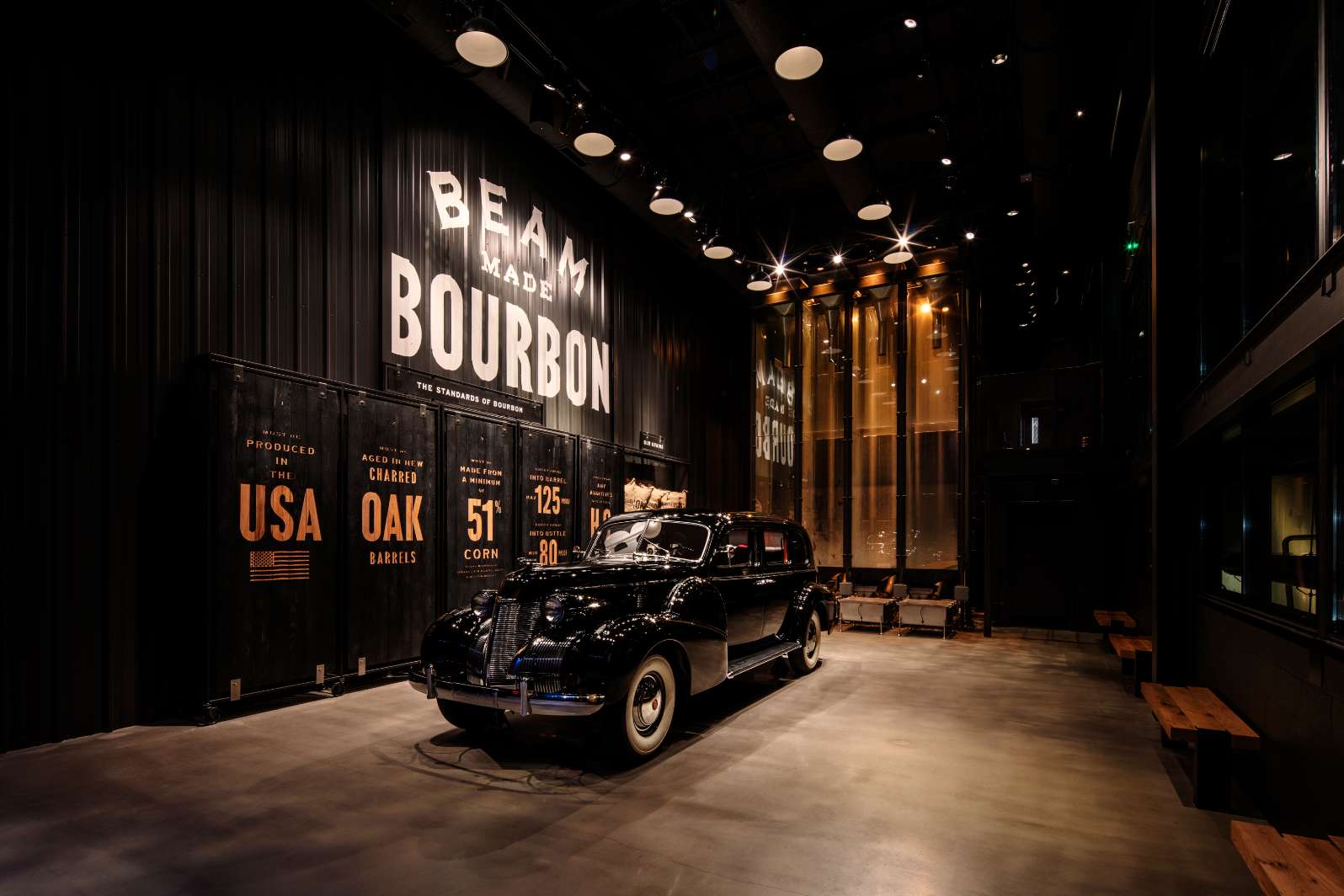
No prior knowledge is required, and first-time visitors are welcome. The Beam Made Bourbon Tour introduces bourbon’s fundamentals, such as corn mash, fermentation, distillation, and barrel aging, through the family’s own stories instead of a technical lecture. Jim Beam’s Cadillac, the car he used to carry the distillery’s wild yeast strain back and forth to keep it safe, appears early in the tour and illustrates continuity and family commitment in a way that resonates with every guest. Enthusiasts who already know their mash bills and barrel-entry proofs find extra depth in the Maturation Matters warehouse experience, where a copper whiskey thief pulls barrel-strength Jim Beam Black straight from the wood, and in the Fred B. Noe Craft Distillery tour, which focuses on innovation. The American Outpost Tasting Bar’s three tiers, Vault, Legacy, and Heritage, offer archived and distillery-exclusive pours for guests who want to go further after the flagship tour.
What should I know about booking and visiting responsibly?
Tours are booked online at beamdistilling.com, and advance booking is strongly recommended because weekend slots, Derby season, and SEC football weekends in September and October sell out regularly. The Kentucky Bourbon Trail often sees visitors booking weeks in advance, so planning ahead is standard practice. All tasting experiences are for guests 21 and older with a valid ID, consistent with Drink Smart® responsible-enjoyment standards, so please enjoy responsibly. Families are welcome on the grounds, and children may accompany adults on select tours, but bourbon tastings remain strictly 21+. Tours depart promptly, and guests cannot join a tour already in progress, so plan to arrive at least 30 minutes early.
Active military visit free with valid ID, and veterans receive a discount. The distillery is generally open Monday through Sunday, 9:00 a.m. to 5:30 p.m. EST, with Sunday opening at 9:30 a.m., and it is closed on Tuesdays in January and February and on major holidays. Always verify current hours at beamdistilling.com before your visit.
This article is promotional content of James B. Beam Distilling Co. Please practice responsible drinking.