Written by: Tyler Himes, Senior Brand Manager – James B. Beam Distilling Co.
Why Basil Hayden Works As A First Bourbon
- Basil Hayden is a strong beginner pick because its low proof keeps alcohol burn in check and lets flavor come through.
- The high-rye mash bill adds gentle spice alongside vanilla, caramel, and honey, so new drinkers can pick out clear notes.
- Its lighter body is a deliberate choice that helps first-timers focus on flavor instead of fighting through heat.
- Basil Hayden suits neat sipping, a single large ice cube, or simple highballs, and can fade in very sweet, spirit-forward cocktails.
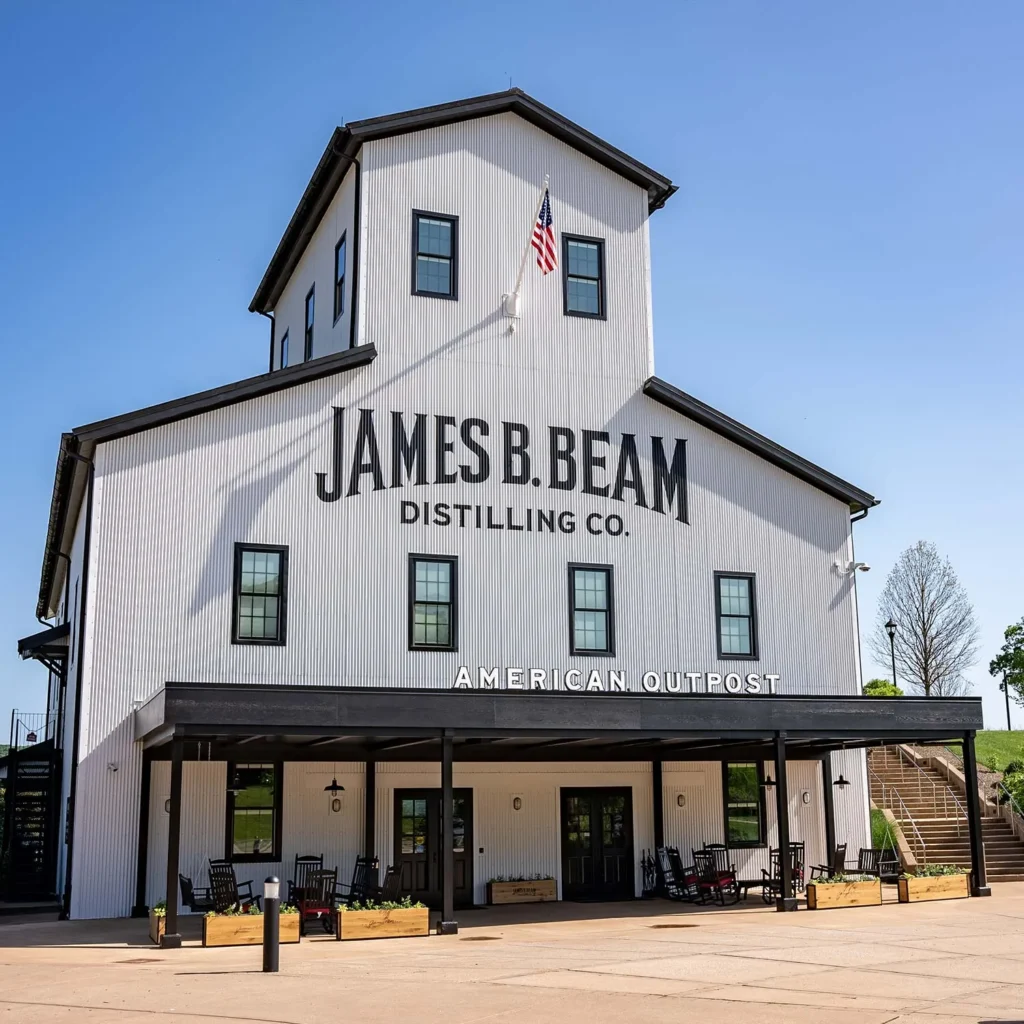
- Basil Hayden is made by James B. Beam Distilling Co. at the Clermont, Kentucky distillery that has produced bourbon for generations.
Book your tour at James B. Beam Distilling Co.
The Problem With Most Beginner Bourbon Advice
Most beginner bourbon advice comes from reviews and forums that list specs like proof and mash bill without context. You see numbers, but not what they mean in the glass.
We make Basil Hayden. The James B. Beam Distilling Co. in Clermont, Kentucky has been making bourbon for eight generations, since Jacob Beam sold his first barrel in 1795. We know why Basil Hayden sits at a lower proof. We know why the recipe leans on rye. We also know who it suits. What follows is the insider explanation behind the specs, so you can decide with confidence whether it fits as your first bottle.

What Makes Basil Hayden A Good Beginner Bourbon?
Basil Hayden Kentucky Straight Bourbon is bottled at 80 proof (40% ABV) and uses a high-rye mash bill. According to third-party reporting, that mash bill runs roughly 63% corn, 27% rye, and 10% malted barley, though some sources cite approximately 30% rye. Here is what that means in plain English:
- Low proof means minimal alcohol burn. It sits at the legal minimum for bourbon, and almost nothing else in the premium tier bottles that low. For a first-timer, that translates to a sip that will not make you wince.
- High rye gives gentle spice rather than heat. You will taste vanilla, caramel, and honey up front, with a soft, dry spice on the finish. It avoids the aggressive pepper that some high-rye whiskeys deliver at higher proof.
- The lighter body keeps flavors clear. An 80-proof bourbon generally presents as light-bodied with a short finish, corn sweetness, and mild oak. That profile helps a new palate start identifying flavors instead of wrestling with burn.
- The overall experience feels smooth and approachable. You get a bourbon with flavors you can actually pick out, which builds confidence from the first pour.
What High-Rye Really Means In Your Glass
A mash bill is simply the recipe, the mix of grains that go into the whiskey. Bourbon must be at least 51% corn, and the rest is up to the distiller. High-rye means the recipe includes a larger share of rye than a standard bourbon mash bill.
Basil Hayden’s mash bill runs approximately 63% corn, 27% rye, and 10% malted barley. That rye content sits meaningfully higher than the roughly 13% rye in a standard Jim Beam White Label mash bill, per industry reporting. The extra rye is what gives Basil Hayden its gentle, dry spice, a soft pepper note that supports the sweetness instead of overpowering it.
The whiskey is named for Basil Hayden Sr., a Kentucky distiller who used a larger share of rye in his mash than his contemporaries. That philosophy carries forward today. At its lower proof, the rye reads as spice over honey, approachable and gently complex. High-rye bourbons commonly use roughly 20% to 35% rye in their mash bill, with rye adding pepper, cinnamon, mint, and a drier finish. In Basil Hayden, those notes arrive as an invitation rather than a challenge.
Who Basil Hayden Is For
Basil Hayden suits first-timers, dinner-party hosts, and anyone who wants a smooth, approachable bourbon that will not overwhelm a new palate. It works well for people who find higher-proof bourbon harsh and want something they can enjoy neat. Beginners and neat sippers are generally best served starting in the 80–95 proof range, where bourbons are typically smoother and more approachable.
It does not chase big, barrel-proof intensity. Drinkers who want a whiskey that leads with oak and heat often prefer higher-proof bottles. Some people call Basil Hayden “easy mode” because it is easy to drink. That is intentional, and it is what makes it work for beginners. Proof should not be treated as a quality measure by itself, and enjoyment in the glass matters most. Every palate starts somewhere, and starting with something smooth is a smart move. Come as Friends, Leave as Family.
How To Drink Basil Hayden Whiskey
Basil Hayden is versatile, and a few simple approaches help you get the most from it as a beginner.
- Neat: Pour it into a rocks glass or a Glencairn if you have one. Let it sit for a minute. Take a small sip and notice vanilla and caramel first, then the gentle rye spice on the finish. This is the Kentucky Chew, where you work the whiskey slowly across your palate before you swallow.
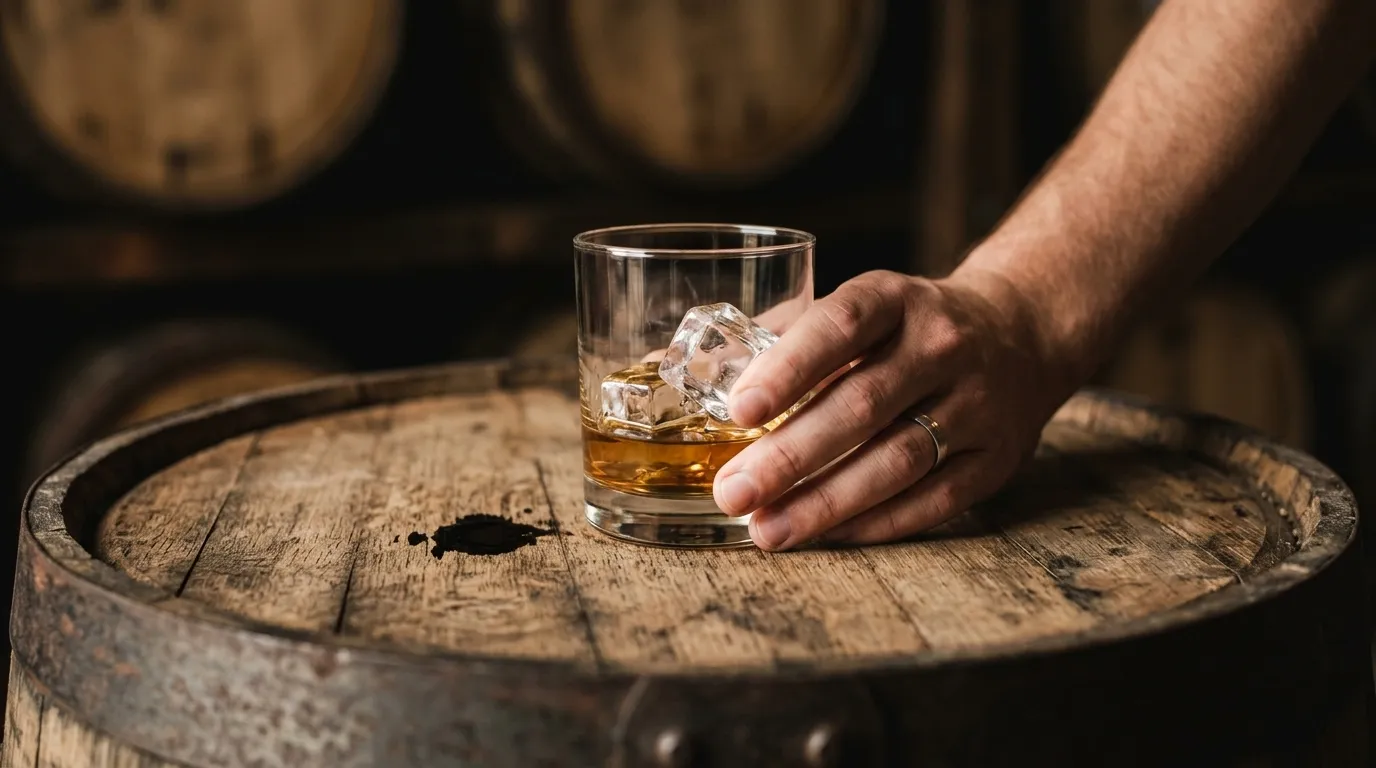
- Over ice: Use a single large cube. The lower proof means it will not thin out as quickly as a higher-proof whiskey. The chill softens the spice even further and gives an even gentler introduction.
- In a highball: Mix Basil Hayden with ginger ale or soda water and a lime wedge. The rye spice stays clear, and the alcohol stays quiet, which makes for an easygoing long drink.
- Skip very sweet cocktails for your first pour: Basil Hayden’s low proof can get lost in an Old Fashioned or a Manhattan, where sugar and vermouth can swamp it. Save those cocktails for a higher-proof bottle once you are ready.
Taste Basil Hayden where it’s made — book your distillery tour.
How Basil Hayden Differs From Jim Beam
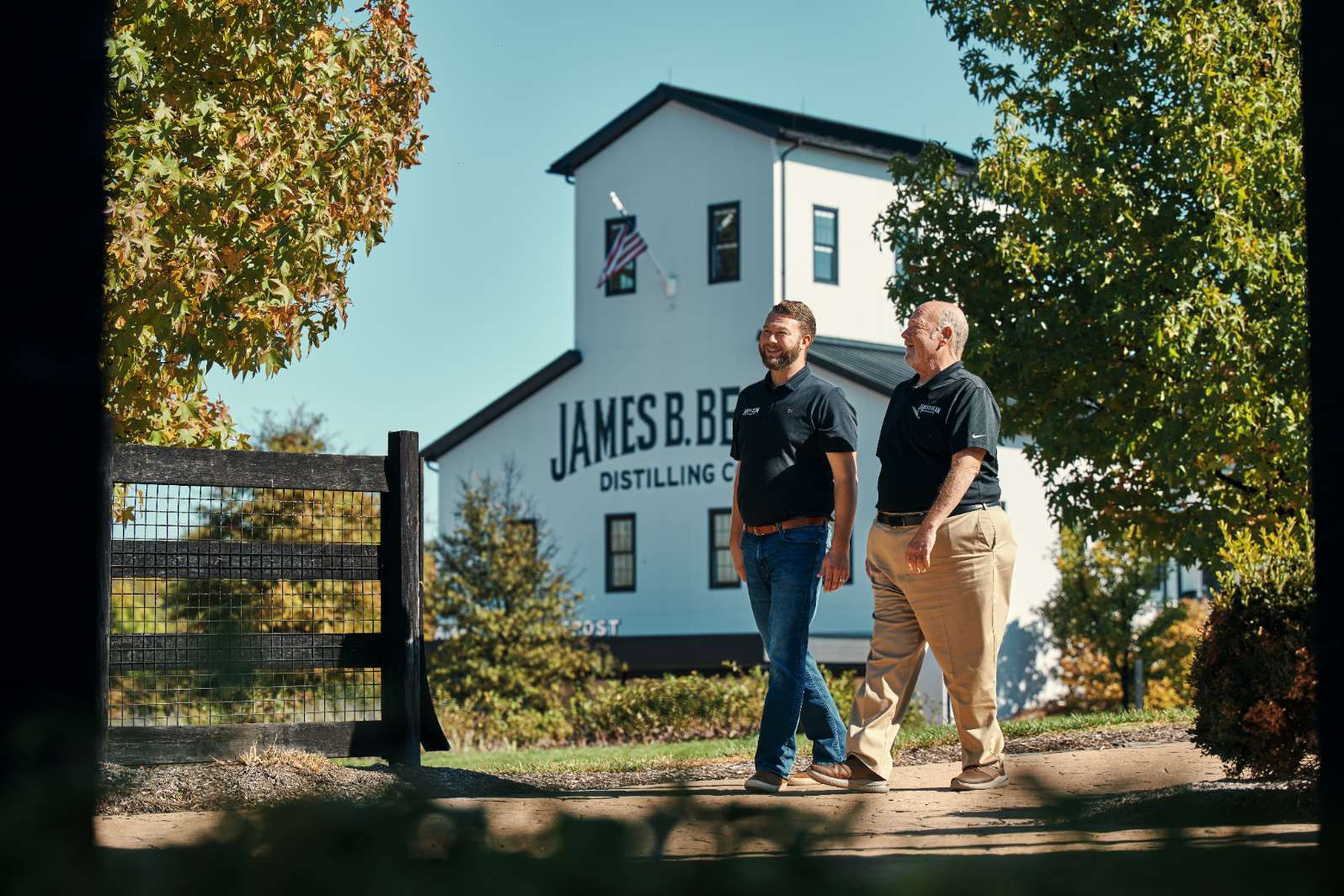
Basil Hayden and Jim Beam share the same family and the same Clermont, Kentucky distillery, but they use different recipes and proofs. Basil Hayden is part of the Small Batch Collection, which Booker Noe created in 1992 alongside Knob Creek, Booker’s, and Baker’s. It is made by the James B. Beam Distilling Co., the same family that has produced bourbon for generations since Jacob Beam’s first barrel in 1795.
James B. Beam Distilling Co. has crafted American whiskey for more than 225 years across eight generations of family distillers, maintaining the whiskey traditions of the First Family of Bourbon. The Beam family is on site at the Clermont distillery nearly every day. That includes 7th-generation master distiller Fred Noe and 8th-generation master distiller Freddie Noe. Basil Hayden shares that lineage. It does not share the same mash bill as Jim Beam White Label, and the higher rye content in Basil Hayden produces a drier, spicier, and more delicate flavor at its lower proof.
For more on the high-rye family, see our guide to high-rye bourbons similar to Basil Hayden.
Is Basil Hayden Worth The Money?
Basil Hayden is worth the price if you want a smooth, approachable bourbon that feels easy from the first pour. You are paying for a high-rye recipe, a deliberately accessible proof, and a whiskey shaped by a long-running family distillery. It is a bottle made with intention.
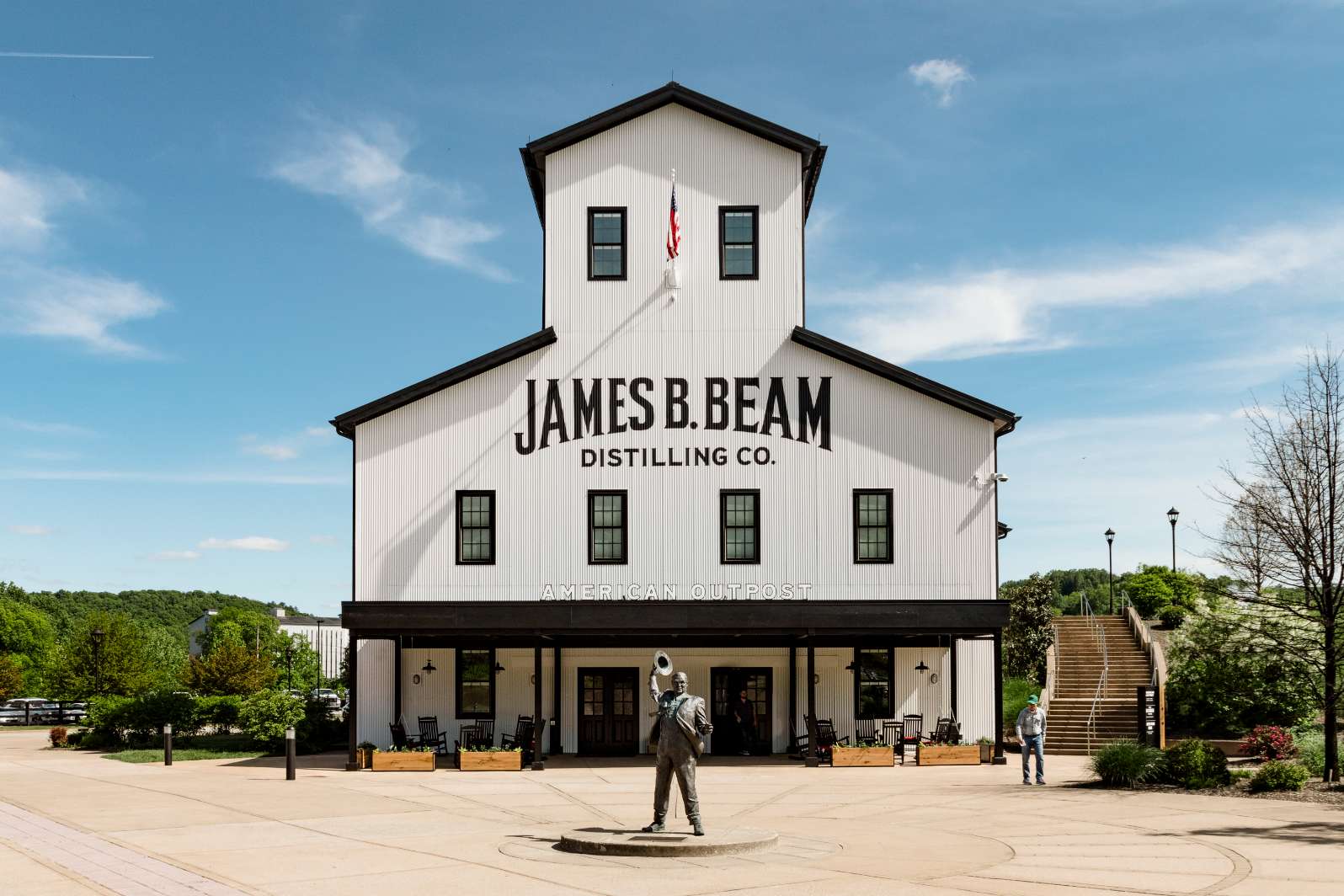
Visiting Clermont adds another layer. You can taste Basil Hayden where it is made and buy the distillery-exclusive bottled-in-bond version that exists only at the James B. Beam Distilling Co. The American Outpost gift shop keeps rare and distillery-exclusive bottles on the shelf until they are gone. No lottery, no timed drops. Learn more about tasting Basil Hayden at its source in Clermont, Kentucky.
Basil Hayden Compared To Woodford, Maker’s Mark, And Wild Turkey 101
Basil Hayden sits at the most approachable end of this group, with the lowest proof and a gentle high-rye profile that suits beginners. The other bottles bring more body, sweetness, or intensity as you gain experience and want to explore bolder styles.
| Bourbon | Proof | Mash Bill Character | Who It Suits |
|---|---|---|---|
| Basil Hayden | 80 proof (40% ABV) | High-rye (~27% rye) | First-timers, smooth-seekers |
| Woodford Reserve | 90.4 proof | Traditional | Drinkers wanting more body |
| Maker’s Mark | 90 proof | Wheated (wheat replaces rye) | Sweet-profile seekers |
| Wild Turkey 101 | 101 proof (50.5% ABV) | Traditional (13% rye) | Experienced drinkers, bold-flavor seekers |
Basil Hayden vs. Woodford Reserve: Woodford Reserve is bottled at 90.4 proof with a traditional mash bill, which gives it more body and a richer mouthfeel. Basil Hayden is lighter and gentler. If you want more intensity, Woodford is a natural step up. If you want smooth and easy, Basil Hayden is the better starting point.
Basil Hayden vs. Maker’s Mark: Maker’s Mark is a wheated bourbon at 90 proof, softer and sweeter, with no rye spice. Basil Hayden keeps a gentle rye kick. Choose Maker’s Mark if you want sweeter, and Basil Hayden if you want a little spice with your smoothness.
Basil Hayden vs. Wild Turkey 101: Wild Turkey 101 is bottled at 101 proof (50.5% ABV), which makes it bolder, spicier, and higher-proof. It is a great bottle for experienced drinkers. Basil Hayden offers a gentler introduction to the category.
For a broader look at where to start, see our guide to the best bourbon for beginners.
The Solution: Taste Basil Hayden Where It Is Made
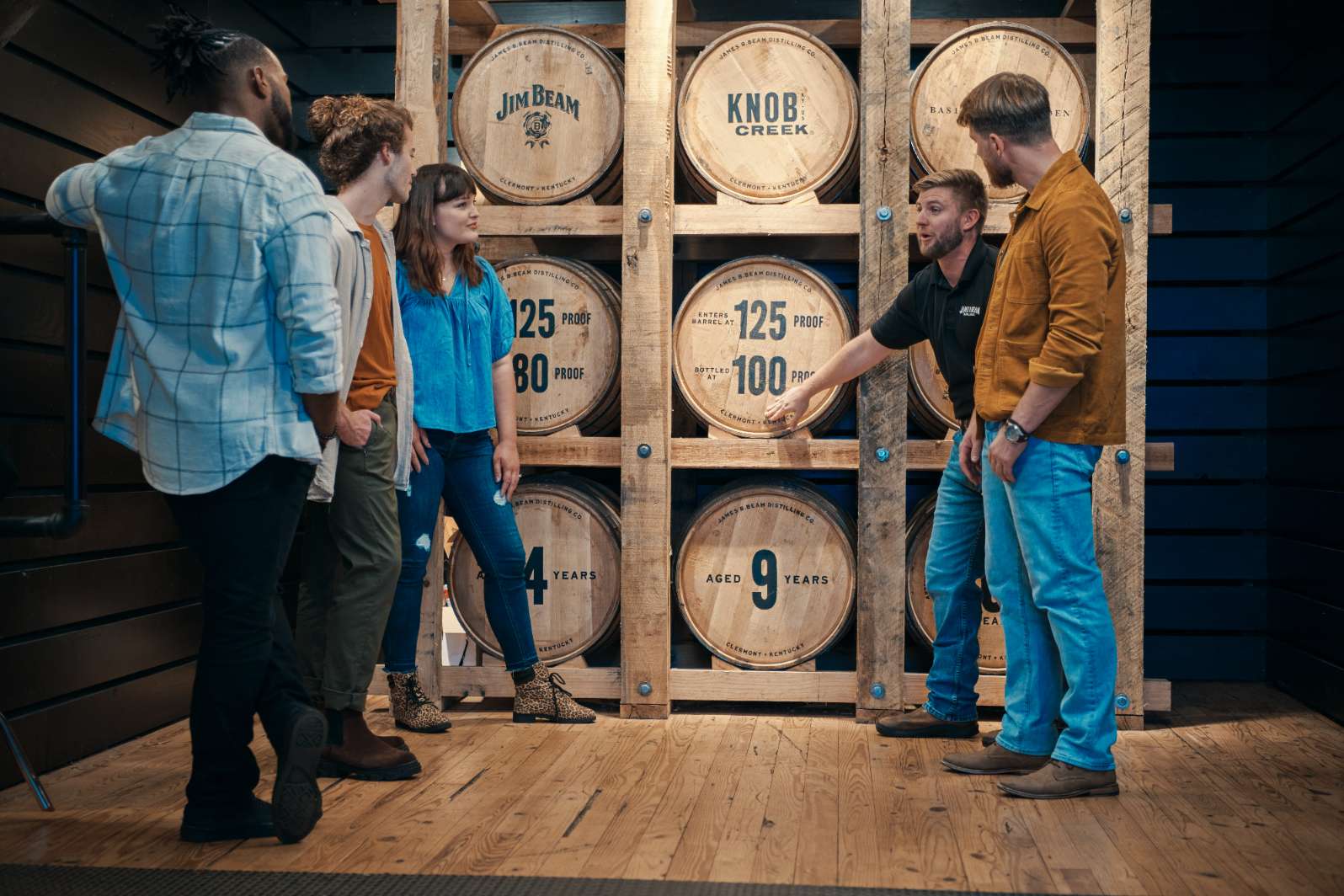
The clearest way to understand Basil Hayden is to taste it where it is made, alongside the whiskeys that surround it. The one place you can do that, and buy the distillery-exclusive bottled-in-bond Basil Hayden that exists only at the Clermont distillery, is the James B. Beam Distilling Co. in Clermont, Kentucky. On the Beam Made Bourbon Tour & Tasting, you taste Basil Hayden while filling a real barrel, grain to glass, guided by the same family behind the brand. It turns a first bottle into a full bourbon experience.
Please enjoy responsibly. Must be 21+ with valid ID to participate in tastings. Visit responsibility.org for more information on responsible drinking.
Reserve your Beam Made Bourbon Tour & Tasting in Clermont.
Frequently Asked Questions
These quick answers cover the most common follow-up questions people ask after choosing Basil Hayden as a first bourbon.
Is Basil Hayden Good For Someone Who Does Not Usually Like Bourbon?
Basil Hayden is frequently recommended for people who have tried bourbon before and found it too harsh. Bottled at a lower proof, it delivers less alcohol burn than many standard premium bourbons on the shelf. The high-rye mash bill adds gentle spice rather than sharp heat, so the flavor reads as vanilla, caramel, and a soft dry finish instead of aggressive pepper or oak. If bourbon has put you off in the past, Basil Hayden is a reasonable place to try again, especially neat or over a single large ice cube, where its easygoing profile works in your favor.
What Is The Difference Between Basil Hayden And Basil Hayden Bottled-In-Bond?
The standard Basil Hayden Kentucky Straight Bourbon, sold nationwide, is bottled at 80 proof (40% ABV) with no age statement. The distillery-exclusive bottled-in-bond version of Basil Hayden is available only at the James B. Beam Distilling Co. in Clermont, Kentucky. Under the Bottled-in-Bond Act of 1897, a bottled-in-bond designation requires the whiskey to be the product of one distillation season, produced by one distiller at one distillery, aged at least four years in a federally bonded warehouse, and bottled at exactly 100 proof (50% ABV). The distillery-exclusive version is a meaningfully different expression, with higher proof, a guaranteed minimum age, and availability only on site. It gives visitors a unique way to experience the brand.
How Does Basil Hayden Fit Into The Small Batch Collection?
Basil Hayden is one of four bourbons in the Small Batch Collection, which Booker Noe, 6th-generation master distiller at the James B. Beam Distilling Co., created in 1992. The other three are Knob Creek, Booker’s, and Baker’s. Each occupies a distinct place in the flavor and proof spectrum. Booker’s is uncut and unfiltered at barrel proof, typically 120–135+ proof. Knob Creek is a full-flavored 100-proof expression. Baker’s sits at 107 proof. Basil Hayden anchors the approachable end at 80 proof with its high-rye mash bill. Together they show the range the Beam family distillery can produce, from the most intense to the most accessible, all made in Clermont, Kentucky.
Is Basil Hayden A High-Rye Bourbon?
Yes. High-rye bourbon is broadly defined as containing 20% or more rye in the mash bill. According to third-party reporting, Basil Hayden’s mash bill runs approximately 63% corn, 27% rye, and 10% malted barley, with some sources citing approximately 30% rye. That places it firmly in the high-rye category alongside bourbons like Bulleit (28% rye) and Four Roses expressions using the B mash bill (35% rye). Among the high-rye bourbons ranked by Bourbon Central in 2026, most are bottled at 90 proof or higher, ranging from 80 proof (Basil Hayden) to 100 proof (Four Roses Single Barrel), where rye character can read as bold pepper and spice. At its lower proof, Basil Hayden’s rye presents as gentle and dry rather than assertive, which makes it a comfortable entry point into the high-rye style.
Can I Visit The James B. Beam Distilling Co. To Taste Basil Hayden?
Yes, and visiting is one of the best ways to experience it. On the flagship Beam Made Bourbon Tour & Tasting, guests taste Basil Hayden while filling a real barrel as part of a grain-to-glass tour of the working distillery in Clermont, Kentucky. The tour runs approximately 75 minutes, includes five bourbons tasted at the moments that explain them, and features hands-on experiences like filling and dumping a barrel and bottling your own Knob Creek on the T-Line. The American Outpost gift shop also carries the distillery-exclusive bottled-in-bond Basil Hayden, available only on site. The distillery holds a 4.7-star rating from more than 1,400 guest reviews. All tastings are 21+ with valid ID, and advance booking is strongly recommended, especially on weekends.
This article is promotional content of James B. Beam Distilling Co. Please practice responsible drinking.