Written by: Tyler Himes, Senior Brand Manager – James B. Beam Distilling Co.
Key Takeaways
- Jim Beam Black is the closest widely available Buffalo Trace alternative, with a low-rye mashbill and a sweet, caramel-forward profile at 86 proof.
- Old Grand-Dad Bonded brings a high-rye, 100-proof bottled-in-bond option that adds spice and structure while staying easy to find at a value price.
- Knob Creek adds complexity with 9 years of aging at 100 proof, giving deeper oak, caramel, and vanilla notes from the same distilling family.
- Allocated bottles like Eagle Rare, Weller Special Reserve, and Blanton’s face the same supply constraints as Buffalo Trace, so they rarely work as practical substitutes.
- James B. Beam Distilling Co. produces the most realistic Buffalo Trace alternatives across several flavor profiles and proof points.
Book the Beam Made Bourbon Tour & Tasting
What Buffalo Trace Actually Is And Why It Tastes Sweet
Buffalo Trace is a Kentucky straight bourbon built on its low-rye Mash Bill No. 1, commonly described as containing approximately 10% rye, though the distillery does not officially disclose an exact rye percentage. It is aged in new charred oak. It is bottled at 90 proof in some markets and 80 proof in others. Those choices of low rye content, near-90 proof, and new charred oak aging create a sweet, smooth, caramel-forward pour.
The production logic works like this. Corn supplies the broad sweet foundation. Rye adds pepper and structure. New charred oak contributes vanilla and caramel through the breakdown of wood lignins and hemicellulose during aging. The vanilla, caramel, and butterscotch notes perceived as sweetness in bourbon are extracted from the charred wood during aging, rather than from the corn or any added sugar. These three variables, rye content, proof, and aging, are what separate one bourbon from another. Lower the rye and keep proof near 90, and the result is a soft, approachable pour. Raise the rye and the whiskey gains pepper and a drier finish. Raise the proof and it gains punch. Choose a bonded designation and you get a guaranteed minimum of four years and exactly 100 proof at a value price point.
That production filter applies to any bottle on the shelf. If you want something that drinks like Buffalo Trace, you can use it to sort through realistic alternatives.
Closest Match: Same Sweet, Low-Rye Profile
Jim Beam Black is the most direct answer for a Buffalo Trace stand-in. It is produced by the James B. Beam Distilling Co. in Clermont, Kentucky, the same distilling family whose whiskeys anchor the Small Batch Collection. It follows the same low-rye mashbill philosophy as Buffalo Trace’s Mash Bill No. 1. Jim Beam Black is bottled at 86 proof and built on the Jim Beam mashbill of 75% corn, 13% rye, and 12% malted barley. Its stated minimum age is 6 years, with an average of roughly 7–8 years. That extra time in the barrel produces a richer, more developed caramel and vanilla profile that still sits in the same flavor family as Buffalo Trace. It is available in most U.S. liquor stores and retails around $20–25.
Two other commonly cited similar-profile picks round out this category.
Four Roses Small Batch is bottled at 90 proof (45% ABV) and is produced at Four Roses Distillery in Lawrenceburg, Kentucky. It is a blend of four of the distillery’s ten recipes (OBSK, OESK, OBSO, and OESO), combining the E (75% corn, 20% rye, 5% malted barley) and B (60% corn, 35% rye, 5% malted barley) mashbills, both of which qualify as high-rye. It sits at a similar proof point to Buffalo Trace but leans fruitier and spicier because of the higher rye content. That makes it a good pick for drinkers who want the same proof with a bit more complexity.
1792 Small Batch is a high-rye bourbon bottled at 93.7 proof from Barton 1792 Distillery in Bardstown, Kentucky. The slightly higher proof adds a touch more body while keeping the sweet, caramel-forward character intact.
Here is how the three closest matches compare on the specs that drive flavor:
| Bourbon | Proof | Mashbill Type | Distillery |
|---|---|---|---|
| Jim Beam Black | 86 | Low-rye | James B. Beam Distilling Co. |
| Four Roses Small Batch | 90 | High-rye | Four Roses Distillery |
| 1792 Small Batch | 93.7 | High-rye | Barton 1792 Distillery |
Cheaper And Easier To Find: The Honesty Gap
Most Buffalo Trace alternatives lists recommend Eagle Rare, Weller Special Reserve, and Blanton’s. That advice ignores a basic problem. Eagle Rare, Weller Special Reserve, and Blanton’s are all produced at the same Buffalo Trace Distillery and face the same allocation constraints. Buffalo Trace grew 17.5% in 2024 to reach 600,000 cases and has nearly doubled in size since 2021, while domestic spirits sales declined 2.2% in 2025. Demand has outpaced supply even as production expanded. If you cannot find Buffalo Trace at your local store, you are unlikely to find Eagle Rare or Weller at retail either.
The genuinely findable daily drinkers in this price range are straightforward.
- Jim Beam Black is widely available at approximately $20–25 and bottled at 86 proof on a low-rye mashbill. It comes from the same distilling family, points in the same flavor direction, and avoids allocation headaches.
- Old Grand-Dad Bonded is widely available at approximately $25–30, bottled at 100 proof, and carries a bottled-in-bond designation. The bonded designation guarantees at least four years of age, exactly 100 proof, and production by one distillery in one distilling season. That guarantee sets a meaningful quality floor at a value price.
Eagle Rare, Weller Special Reserve, and Blanton’s work better as special finds than as everyday substitutes. Gift-shop and retail trackers through the first half of 2026 showed more allocated options per visit than in 2025, with secondary prints on mid-tier names like Blanton’s, Eagle Rare 10, and Weller Special Reserve softer than the 2021–2023 peak. Softer secondary prices still do not mean these bottles sit on shelves at MSRP. In most markets, they remain allocated.
More Proof And More Spice: High-Rye Alternatives
Old Grand-Dad Bonded is the high-rye, higher-proof answer from the James B. Beam Distilling Co. in Clermont, Kentucky. Its mashbill is 63% corn, 27% rye, and 10% malted barley, bottled at 100 proof under the bottled-in-bond designation. That 27% rye versus Buffalo Trace’s approximately 10% rye means more pepper, more baking spice, a drier mid-palate, and a more persistent finish. As rye proportion increases, bourbon typically becomes drier, more aromatic, and more assertive through the finish.
The bottled-in-bond designation, described above, guarantees at least four years of age and exactly 100 proof. It functions as a federal quality promise rather than a marketing phrase.
Wild Turkey 101 is the other widely cited high-proof, high-rye option. It is 101 proof from Wild Turkey Distillery in Lawrenceburg, Kentucky and suits drinkers who want more punch alongside the spice.
Both high-rye picks line up like this:
| Bourbon | Proof | Mashbill Type | Distillery |
|---|---|---|---|
| Old Grand-Dad Bonded | 100 | High-rye | James B. Beam Distilling Co. |
| Wild Turkey 101 | 101 | High-rye | Wild Turkey Distillery |
Step Up When You Want More Oak And Age
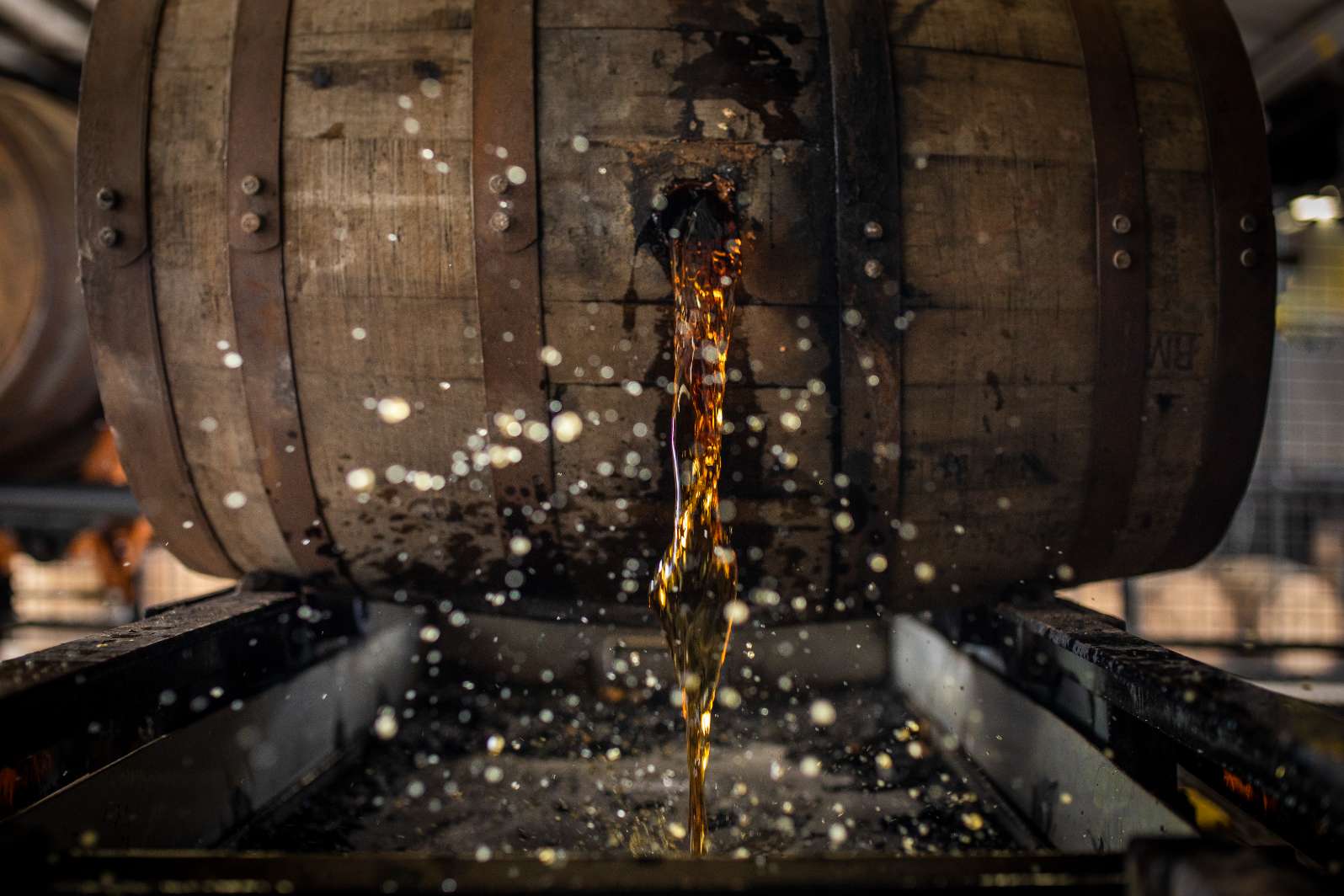
Knob Creek is the step-up pour from the James B. Beam Distilling Co. It is bottled at 100 proof and aged 9 years on the same low-rye mashbill of 75% corn, 13% rye, and 12% malted barley. Buffalo Trace carries no age statement. That extra time in new charred oak gives Knob Creek more oak depth, more caramel and vanilla concentration, and a longer finish. Time in the barrel pulls more vanilla and caramel from the wood, so a four-year and a twelve-year bourbon from the same mashbill taste noticeably different on that axis.
Basil Hayden is the gentler option in this tier. It is bottled at 80 proof and aged 6–8 years, and generally categorized as a high-rye bourbon, though exact mashbill details vary across sources. The result is a lighter, more delicate character for drinkers who want less heat instead of more. For a deeper look at where Basil Hayden fits on the flavor spectrum, see the Beam guide to high-rye bourbons similar to Basil Hayden.
Knob Creek, Basil Hayden, Booker’s, and Baker’s are all part of the Small Batch Collection, made at the same Clermont, Kentucky distillery. A drinker who discovers they love one of these alternatives can trace it back to the same family, the same limestone water, and the same proprietary yeast strain that has run continuously since 1933.
Within that collection, the two most accessible step-up pours compare as follows:
| Bourbon | Proof | Age | Distillery |
|---|---|---|---|
| Knob Creek | 100 | 9 years | James B. Beam Distilling Co. |
| Basil Hayden | 80 | 6–8 years | James B. Beam Distilling Co. |
Taste The Small Batch Collection On The Beam Made Bourbon Tour
Buffalo Trace Compared To Eagle Rare And Woodford Reserve
Buffalo Trace and Eagle Rare share Buffalo Trace’s low-rye Mash Bill No. 1. Their proofs vary by expression and market. Buffalo Trace is bottled at 80 or 90 proof depending on market, and Eagle Rare 12 Year is 95 proof. Buffalo Trace carries no age statement, while Eagle Rare expressions carry age statements, including a 10-year standard and a 12-year release. Eagle Rare is also allocated in most markets and faces the same supply constraints at the same distillery. If Buffalo Trace is scarce where you live, Eagle Rare will likely be scarce as well.
Buffalo Trace and Woodford Reserve sit near each other on proof but differ in mashbill and distillery. Woodford Reserve is a high-rye bourbon with a 72% corn, 18% rye, and 10% malted barley mashbill, bottled at 90.4 proof from the Woodford Reserve Distillery in Versailles, Kentucky. It offers a comparable proof point and an approachable profile, with a different flavor house and generally broader availability.
Is There A Better Bourbon Than Buffalo Trace?
“Better” depends entirely on what the drinker values. Buffalo Trace is a well-made, low-rye, 90-proof bourbon with genuine broad appeal. The word “better” gains meaning only when you match it to intent.
- If you want the closest match you can actually buy off the shelf, Jim Beam Black is the answer, with the same low-rye philosophy, 86 proof, and a sweet, caramel-forward profile.
- If you want more proof and spice, Old Grand-Dad Bonded delivers 100 proof and 27% rye at a value price with a federal quality guarantee.
- If you want more oak and age, Knob Creek’s 9-year, 100-proof profile steps up the complexity while staying in the same general flavor family.
Each of these bottles answers a different version of the question. The production filter of mashbill rye content, proof, and aging turns a vague “better” into a personal choice. For more on how the Beam portfolio compares across the alternatives spectrum, see the Beam guide to Booker’s Bourbon alternatives.
The Best Place To Try These Alternatives: The James B. Beam Distilling Co.
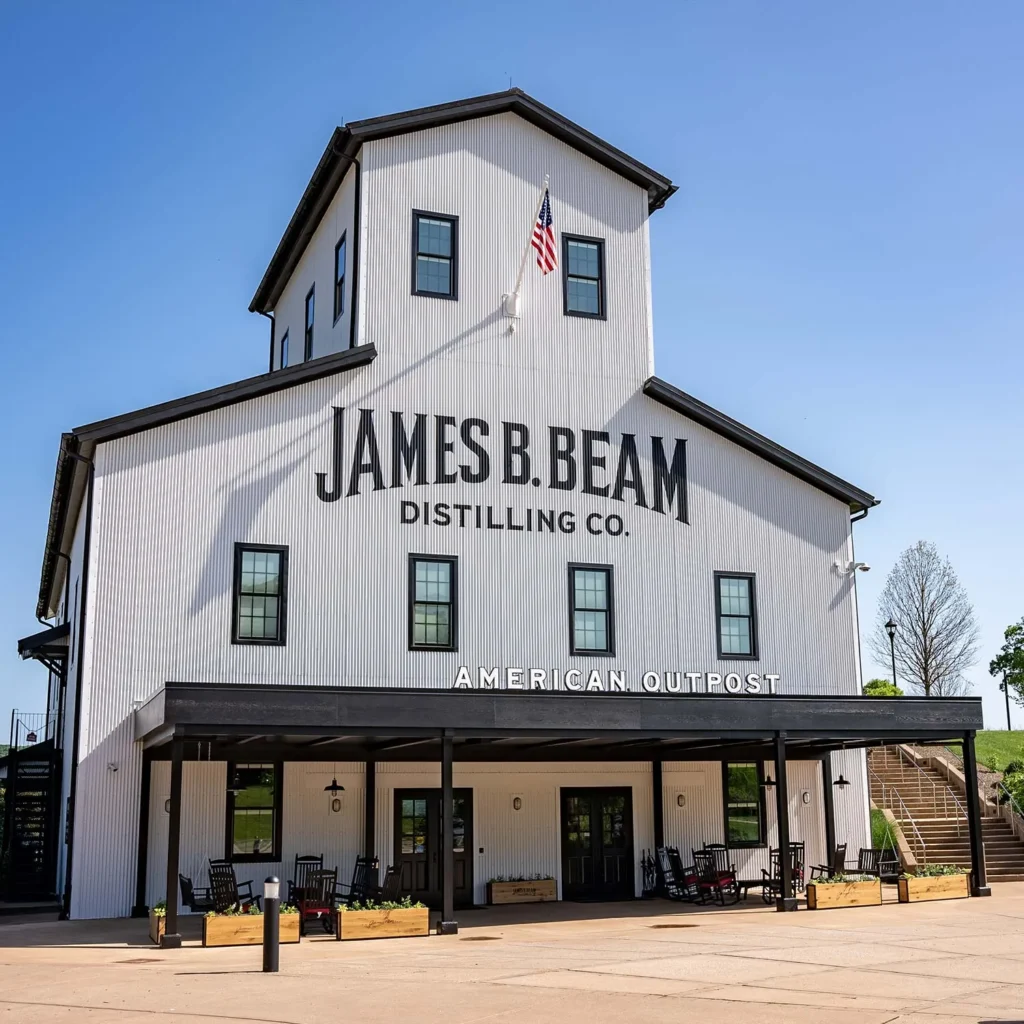
The James B. Beam Distilling Co. in Clermont, Kentucky, the Home of the World’s #1 Bourbon: Jim Beam, is the most direct way to taste these alternatives at the source. The campus sits right off I-65 between Louisville and Bardstown, making it the first stop on the Kentucky Bourbon Trail and an easy add to any bourbon itinerary. For a broader look at the best tasting stops along the Trail, see the Beam guide to the best places for bourbon tasting on the Bourbon Trail.
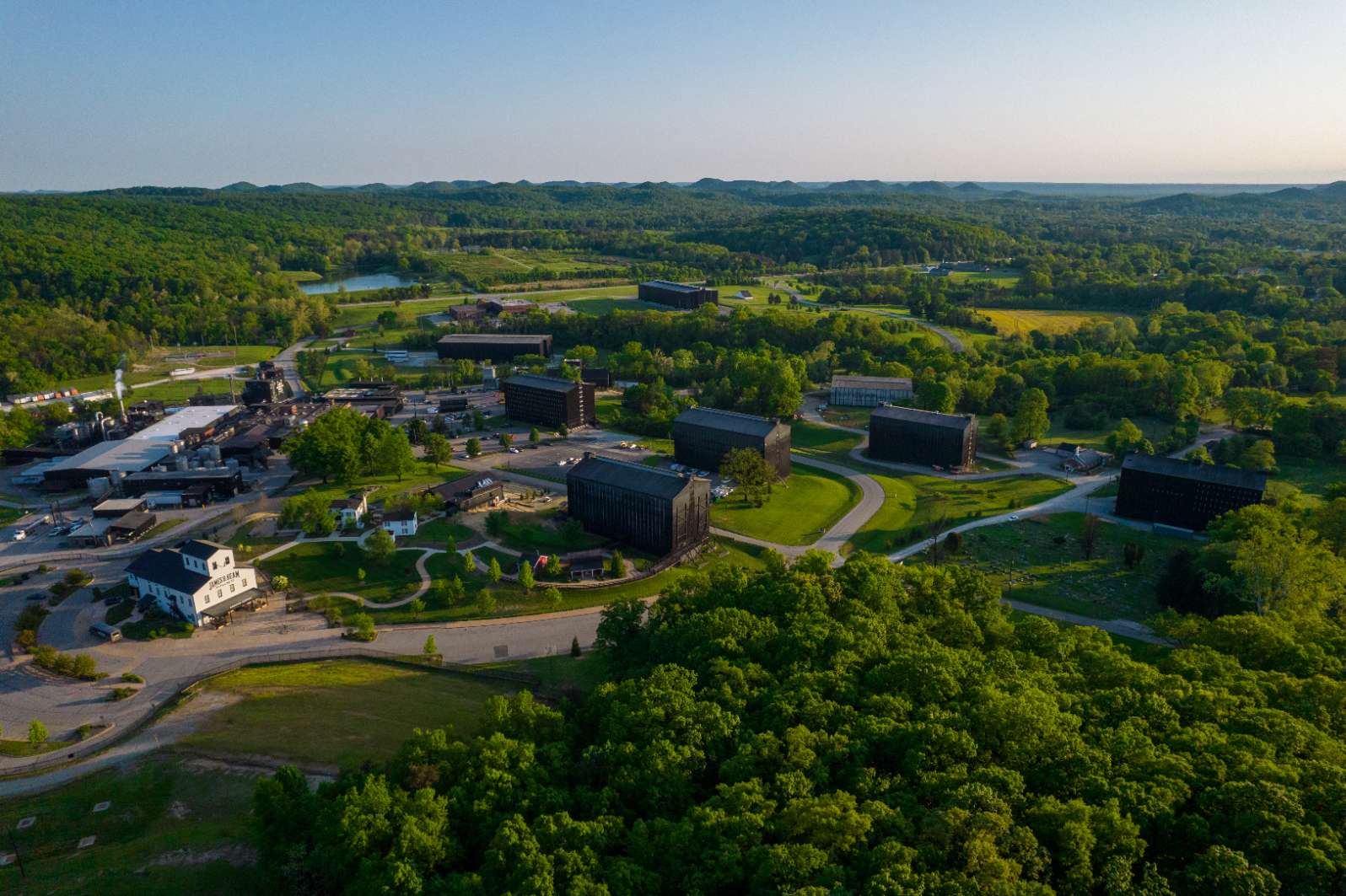
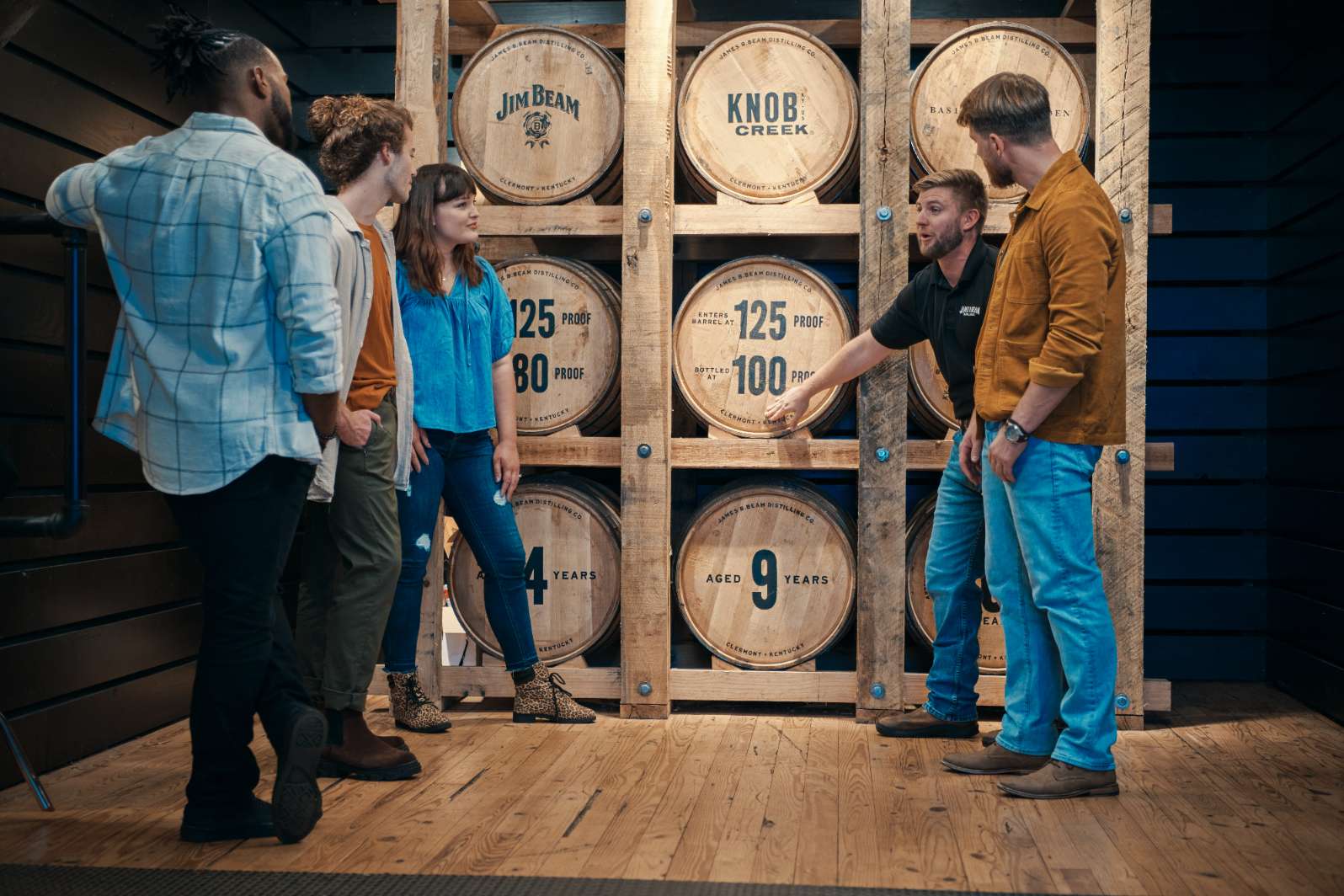
The flagship Beam Made Bourbon Tour & Tasting ($30 plus tax and fees, approximately 75 minutes, capped at 24 guests) moves grain to glass through the working distillery. Guests taste five bourbons along the way, including Jim Beam White, Jim Beam Black, Basil Hayden, and Knob Creek. Guests also fill and dump a real barrel and can bottle their own Knob Creek on the T-Line, pressing a thumbprint into the wax seal. The distillery holds a 4.7-star rating across more than 1,400 guest reviews. All tastings are 21+ with valid ID. Active military visit free with valid ID, and veterans receive a discount.
Plan Your Beam Made Bourbon Tour & Tasting
Frequently Asked Questions
What Is The Closest Bourbon To Buffalo Trace?
Jim Beam Black is the closest widely available match. It shares the same low-rye, high-corn mashbill philosophy as Buffalo Trace’s Mash Bill No. 1 and is bottled at 86 proof, four points below Buffalo Trace’s 90. It delivers a sweet, caramel-forward profile and is produced by the James B. Beam Distilling Co. in Clermont, Kentucky, the same distilling family behind the Small Batch Collection. It retails around $20–25 at most liquor stores.
Is Jim Beam Black A Good Substitute For Buffalo Trace?
Jim Beam Black works very well as a substitute for Buffalo Trace. It is a low-rye, sweet, caramel-forward bourbon from the same distilling family that makes Knob Creek, Basil Hayden, Booker’s, and Baker’s. Its 75% corn / 13% rye / 12% malted barley mashbill keeps it in the same flavor family as Buffalo Trace’s low-rye Mash Bill No. 1. Its 86 proof sits close enough to Buffalo Trace’s 90 proof that the difference feels small for most drinkers. It is easier to find and typically less expensive.
Why Is Buffalo Trace So Hard To Find?
Buffalo Trace is hard to find because demand has grown faster than aged supply can catch up. Buffalo Trace grew 17.5% in 2024 to reach 600,000 cases and has nearly doubled in size since 2021, while domestic spirits sales declined 2.2% in 2025. The distillery invested over $1 billion in a 10-year expansion that wrapped in early 2025. Bourbon aged for years in new charred oak cannot be rushed to shelves, so even with expanded production, the supply of properly aged whiskey takes years to reach retail.
What’s A Cheaper Alternative To Buffalo Trace?
Jim Beam Black and Old Grand-Dad Bonded are both widely available and value-priced. Jim Beam Black retails around $20–25 and delivers a low-rye, caramel-forward profile similar to Buffalo Trace. Old Grand-Dad Bonded retails around $25–30, is bottled at 100 proof under the bottled-in-bond designation, and offers a higher-rye, spicier profile for drinkers who want more structure at a similar price point. Both are genuine shelf staples rather than allocated bottles.
Can I Taste These Bourbons At The Distillery?
Yes. The Beam Made Bourbon Tour & Tasting at the James B. Beam Distilling Co. in Clermont, Kentucky includes Jim Beam Black, Basil Hayden, and Knob Creek among its five poured tastings, along with Jim Beam White and a rotating selection. The tour is $30 plus tax and fees, runs approximately 75 minutes, and is capped at 24 guests. All tastings are 21+ with valid ID. Advance booking is strongly recommended, as popular times sell out. Active military visit free with valid ID, and veterans receive a discount.
Conclusion: The Bottom Line
Buffalo Trace is hard to find, and many alternatives lists send readers chasing Eagle Rare, Weller, or Blanton’s, bottles that are often just as allocated. The production logic behind Buffalo Trace’s flavor, low rye, near-90 proof, and new charred oak aging, gives you a clear way to choose replacements.
The James B. Beam Distilling Co. portfolio offers a practical answer organized by intent. Choose Jim Beam Black for the closest low-rye match you can actually buy. Reach for Old Grand-Dad Bonded when you want more proof and spice at a value price with a federal quality guarantee. Pour Knob Creek when you want more oak and age and a step up in complexity. All three are made at the same Clermont, Kentucky distillery, home to eight generations of the First Family of Bourbon, and all three can be tasted at the source on the Beam Made Bourbon Tour & Tasting.
Find Your Buffalo Trace Alternative On The Beam Made Bourbon Tour
Please enjoy responsibly.
This article is promotional content of James B. Beam Distilling Co. Please practice responsible drinking.