Written by: Tyler Himes, Senior Brand Manager – James B. Beam Distilling Co.
Key Takeaways for Planning Your Southern Road Trip
- The American South offers seven historic driving routes that connect centuries of history, from Native American trails to Civil Rights landmarks.
- The Kentucky Bourbon Trail, anchored by the James B. Beam Distilling Co. in Clermont, Kentucky, adds frontier migration, post-Revolutionary politics, and American craft culture to this story.
- Each route works well as a 5–7 day itinerary, with day-by-day timing tables and logistics that make planning straightforward.
- The Bourbon Trail section goes into extra detail because it remains the most under-told story among major Southern historic drives.
- Reserve the Beam Made Bourbon Tour & Tasting to experience Jim Beam’s grain-to-glass story at The Home of the World’s #1 Bourbon.
1. Natchez Trace Parkway Road Trip
The Natchez Trace Parkway stretches 444 miles through Mississippi, Alabama, and Tennessee along an ancient corridor first used by the Natchez, Choctaw, and Chickasaw peoples. European settlers later converted it into a postal road. No billboards, no tractor-trailers, and no stoplights keep the focus on forest, mounds, and American history at 50 mph.
| Day | Segment | Key Stop | Notes |
|---|---|---|---|
| 1 | Natchez, MS (Mile 0–15) | Emerald Mound (Mile 10.3) | Second-largest pre-Columbian earthwork in North America |
| 2 | Port Gibson to Vicksburg (Mile 41–54) | Rocky Springs (Mile 54.8) | Free campground; ghost-town loop trail |
| 3 | Tupelo, MS | Tupelo National Battlefield Visitor Center | Civil War engagement site |
| 4 | Alabama border to Tennessee (Mile 320–444) | Meriwether Lewis Site, TN | 300-acre park; campground on site |
Logistics: 444 miles total. Allow at least 4 days. No tolls or entrance fees. Best seasons are spring and fall for comfortable temperatures. NPS visitor centers sit at Natchez and Tupelo.
2. U.S. Route 61 – The Blues Highway
Highway 61 marks its 100th anniversary in 2026. The 500-mile stretch between Memphis and New Orleans follows the corridor that carried countless African Americans northward during the Great Migration. Along this road, the blues, soul, and rock ‘n’ roll took root in the Mississippi Delta.
| Day | Segment | Key Stop | Notes |
|---|---|---|---|
| 1 | Memphis, TN | Sun Studio & National Civil Rights Museum | Birthplace of rock ‘n’ roll; one-hour guided tours |
| 2 | Clarksdale, MS | Delta Blues Museum & Robert Johnson crossroads | Three-guitar monument marks the legendary site |
| 3 | Indianola to Vicksburg | B.B. King Museum; Vicksburg heritage trails | Civil War bluff city; walking tours available |
| 4 | Natchez to New Orleans | Antebellum mansions, Natchez (founded 1716) | Oldest city on the Mississippi River |
Logistics: About 500 miles from Memphis to New Orleans. Best seasons are spring and fall. Reserve Memphis accommodations early during major music festivals.
3. Selma to Montgomery Civil Rights Trail
The 54-mile route from Selma to Montgomery, Alabama, follows the path of the 1965 Voting Rights marches across the Edmund Pettus Bridge. The U.S. heritage tourism market draws visitors to Civil Rights trail sites and National Park Service programs, including the Martin Luther King Jr. National Historical Park. This drive ranks among the most emotionally powerful routes in the country.
| Day | Segment | Key Stop | Notes |
|---|---|---|---|
| 1 | Selma, AL | Edmund Pettus Bridge; National Voting Rights Museum | NPS ranger programs available |
| 2 | Lowndes County | Lowndes Interpretive Center (NPS) | Tent city history; free admission |
| 3 | Montgomery, AL | Dexter Avenue King Memorial Baptist Church; Legacy Museum | Allow a full day for Montgomery |
Logistics: Core route covers 54 miles. Extend to Birmingham for additional Civil Rights sites. Best seasons are spring and fall. Guided tours add essential context to this layered history.
4. Lowcountry Coastal Route (Charleston to Savannah)
The coastal corridor between Charleston, South Carolina, and Savannah, Georgia, concentrates antebellum architecture, Gullah Geechee culture, and Revolutionary War history into a compact drive. Tidal marshes and live-oak canopies frame the route.
| Day | Segment | Key Stop | Notes |
|---|---|---|---|
| 1 | Charleston, SC | Fort Sumter National Monument; Historic District | Ferry to Fort Sumter; book in advance |
| 2 | Beaufort, SC | Penn Center; Gullah Geechee Cultural Heritage Corridor | One of the oldest African American schools in the South |
| 3 | Savannah, GA | Historic District; Forsyth Park; First African Baptist Church | Walking tours widely available |
Logistics: About 100 miles from Charleston to Savannah. Best seasons are spring (March–May) and fall (September–November). Avoid peak summer heat and humidity.
5. Great River Road Through Mississippi and Louisiana
The Great River Road follows the Mississippi River from the Tennessee border south to New Orleans. Along the way it passes the Gateway to the Blues Museum in Tunica, Vicksburg National Military Park, Windsor Ruins in Port Gibson, and Natchez National Historical Park. The route layers Native American, antebellum, Civil War, and Reconstruction history into one corridor.
| Day | Segment | Key Stop | Notes |
|---|---|---|---|
| 1 | Tunica, MS | Gateway to the Blues Museum | Free admission; strong Delta context |
| 2 | Vicksburg, MS | Vicksburg National Military Park | 16-mile auto tour; allow 3–4 hours |
| 3 | Natchez, MS | Natchez National Historical Park; Windsor Ruins | Antebellum homes and Grand Village of the Natchez Indians |
| 4 | Baton Rouge to New Orleans, LA | Oak Alley Plantation; French Quarter | Louisiana State Museum network in New Orleans |
Logistics: About 400 miles from Tunica to New Orleans. Best seasons are spring and fall. Mississippi road trips pair naturally with Louisiana, Alabama, and Tennessee for extended 5–7 day loops.
6. The Bourbon Trail – Louisville to Bardstown
Bourbon’s roots reach back to the late 18th century, when settlers in Kentucky used native corn, limestone-filtered water, and charred oak barrels to create a distinctly American spirit. After the Whiskey Rebellion of 1794, many settlers moved to Kentucky as President Thomas Jefferson offered sixty acres to farmers who planted corn as their primary crop. The region soon became the official home of bourbon, and early 19th-century newspaper advertisements show how the spirit spread through Southern commercial networks.
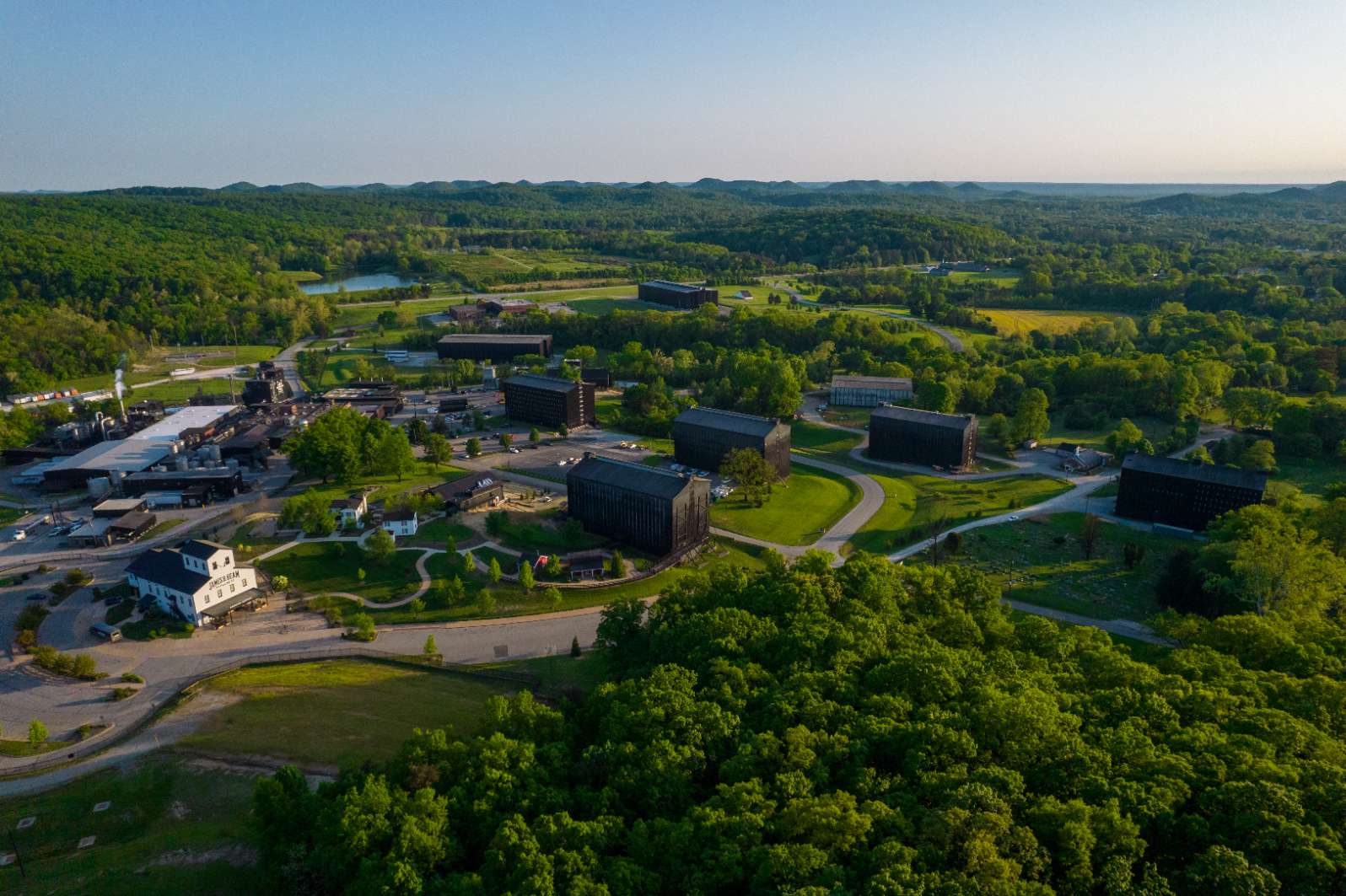
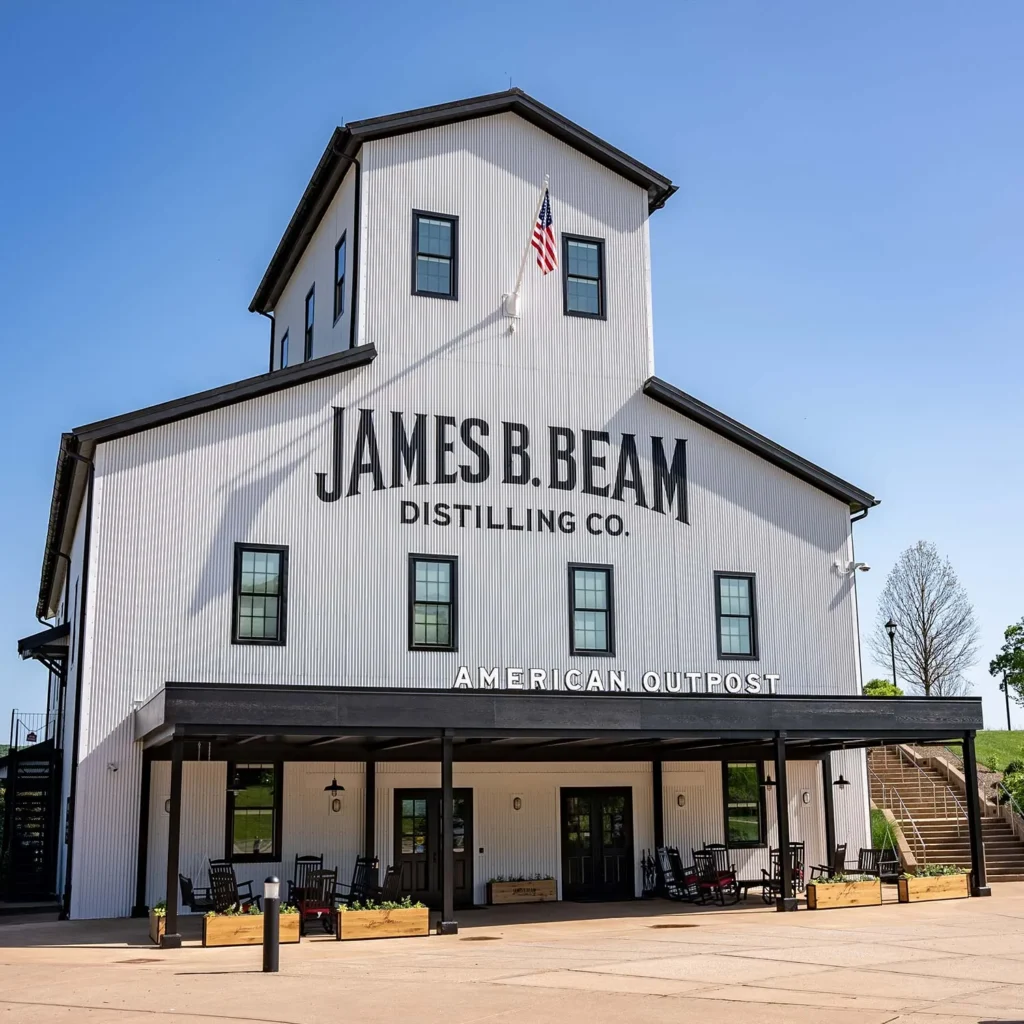
The James B. Beam Distilling Co. in Clermont, Kentucky, sits at the center of that story. Jacob Beam sold his first barrel in 1795, and eight unbroken generations of the same family have made whiskey on Kentucky soil ever since. This continuous family legacy makes Clermont a natural starting point for the Bourbon Trail.
The distillery sits just off Interstate 65, about 30 minutes south of Louisville and directly on the route to Bardstown, the “Bourbon Capital of the World.” Drivers heading to bourbon country pass it on the way. It serves as the first stop on the Kentucky Bourbon Trail and often becomes the single distillery visitors choose when they have limited time.
All tasting experiences at James B. Beam Distilling Co. are for guests 21 and older with valid ID, consistent with Drink Smart® responsible enjoyment principles. Please enjoy responsibly.
| Day | Segment | Key Stop | Notes |
|---|---|---|---|
| 1 | Clermont, KY — James B. Beam Distilling Co. | Beam Made Bourbon Tour & Tasting (75 min); The Kitchen Table lunch | Fill a barrel, dump a barrel, taste five bourbons grain to glass; $30 + tax/fees; book in advance |
| 2 | Bardstown, KY | Heaven Hill Bourbon Experience; My Old Kentucky Home State Park | “Bourbon Capital of the World”; Federal Hill antebellum estate |
| 3 | Loretto & return to Louisville | Maker’s Mark Distillery; Louisville Slugger Museum | Natural itinerary partner; scenic Star Hill Farm campus |
What makes Day 1 at Beam different: The flagship Beam Made Bourbon Tour & Tasting is hands-on by design. Guests fill a real barrel, dump a real barrel, and bottle their own Knob Creek on the T-Line, pressing a thumbprint into the wax seal. Five bourbons are tasted at the moments that explain them: Jim Beam White at Jim Beam’s original Cadillac, Jim Beam Black at the mill, Basil Hayden while filling a barrel, Knob Creek at the barrel dump, and a rotating surprise pour. That same yeast strain, safeguarded by Jim Beam since 1933, still runs through nearly every Beam bourbon today.
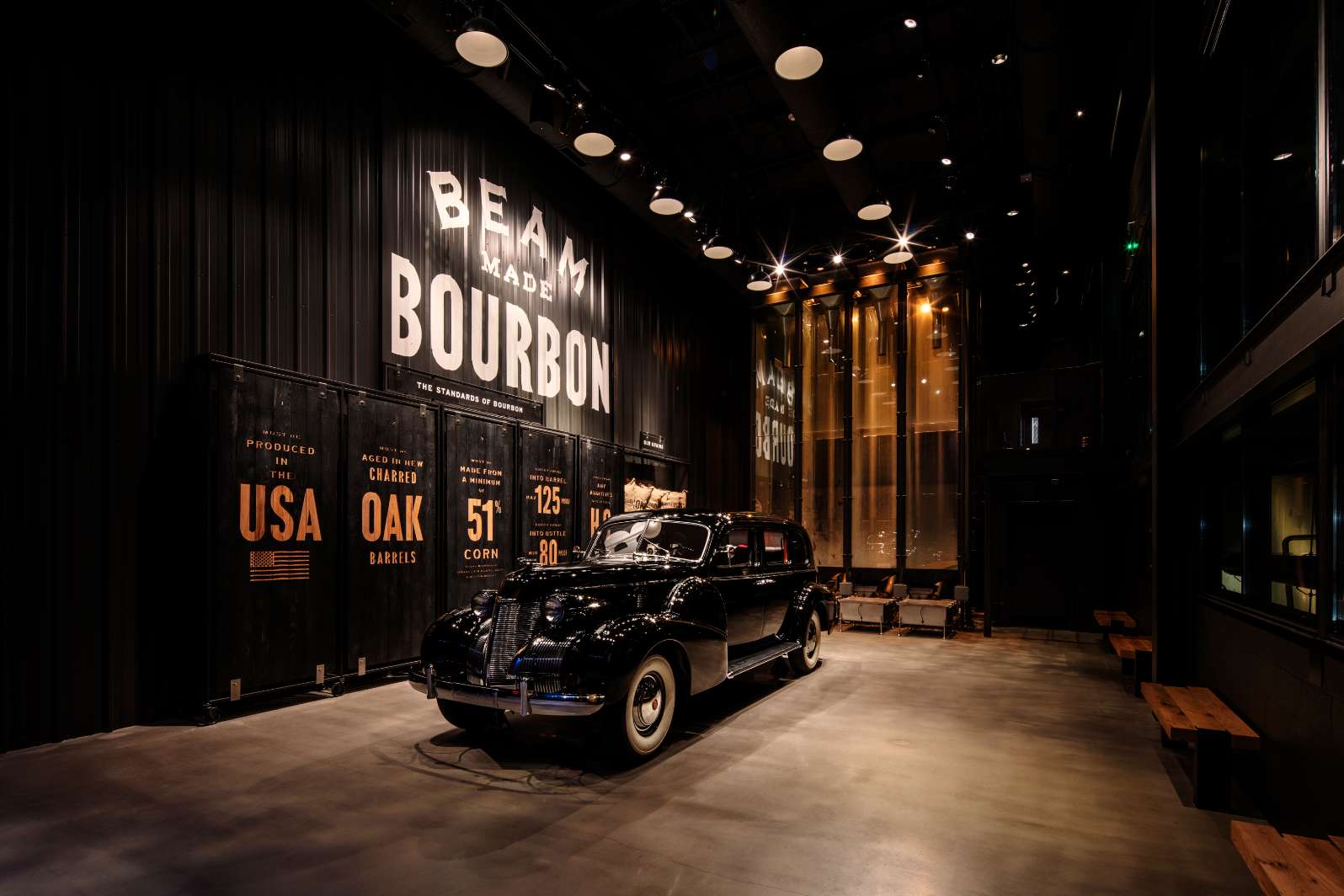
Beyond the flagship tour, the campus offers several ways to go deeper. The Maturation Matters warehouse experience lets guests thief whiskey straight from the barrel, while the Fred B. Noe Craft Distillery tour focuses on small-batch production. Visitors interested in food pairings can book the Kitchen Table Culinary Experience, and Whiskey Wednesdays with 7th-generation Master Distiller Fred Noe give direct access to the family’s expertise. The American Outpost gift shop keeps hard-to-find and distillery-exclusive bottles on the shelf year-round, avoiding the timed drops and lotteries common elsewhere. The Kitchen Table restaurant, built in 2022, extends the bourbon story to the plate with Kentucky-inspired fare, including a sourdough pizza made with the bourbon’s own yeast strain.
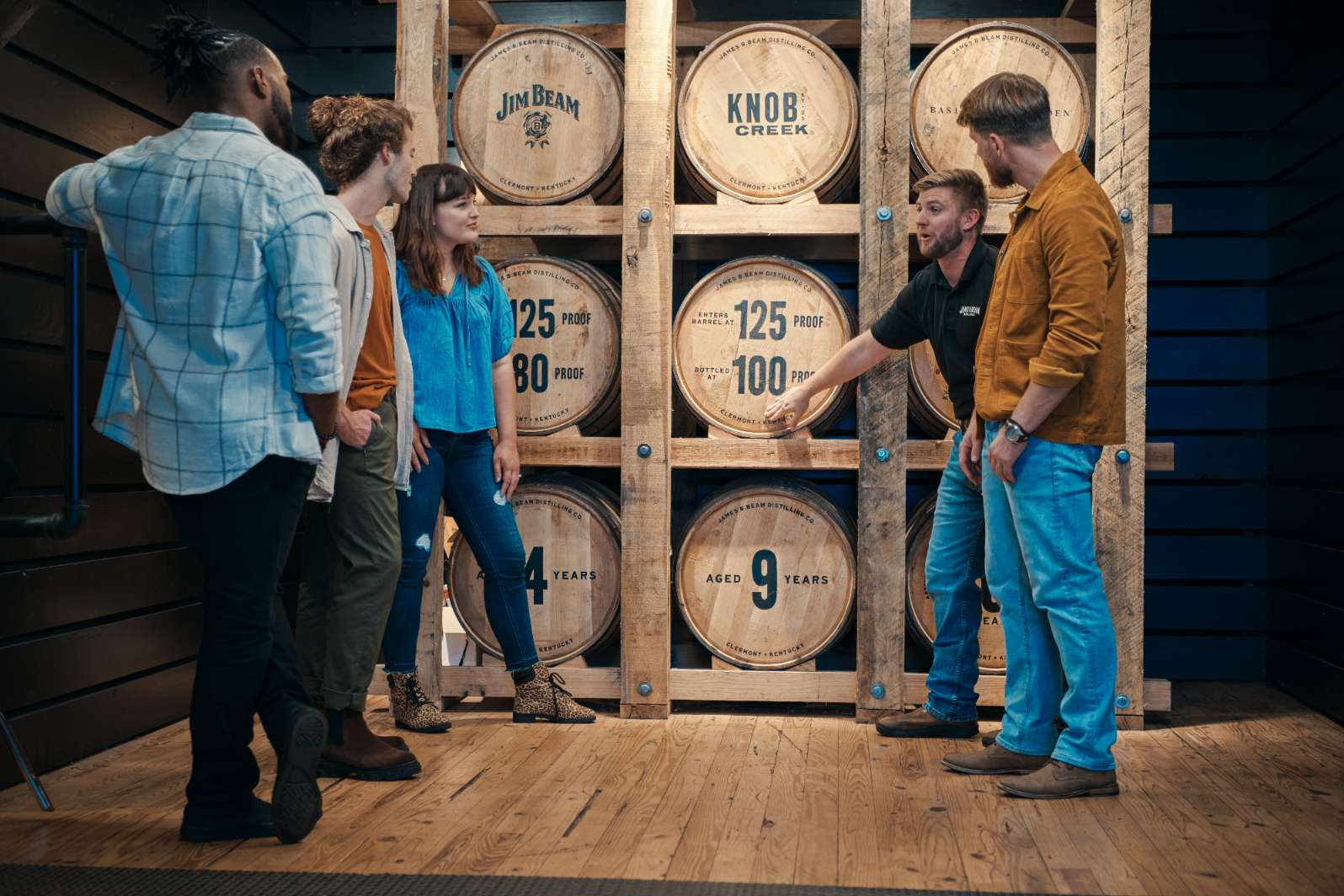
Logistics: Clermont sits at 568 Happy Hollow Rd., Clermont, KY 40110, about 30 minutes south of Louisville, just off I-65. Hours are generally Monday–Sunday, 9:00 a.m.–5:30 p.m. EST (Sunday opens at 9:30; Tuesdays closed in January and February). Advance booking is strongly recommended, as tours sell out on weekends and during Derby and football seasons. Active military visit free with valid ID, and veterans receive a discount. The Kentucky Bourbon Trail counts roughly 2.7 million visits a year, so plan ahead.

7. Combining Routes: 5–7 Day Southern Loop Itinerary
Each of the seven routes above tells a distinct chapter of Southern history, yet they connect naturally into a single 5–7 day loop. This combined route works well for drivers from Ohio, Indiana, Tennessee, Illinois, and nearby states.
A practical sequence starts at the James B. Beam Distilling Co. in Clermont on Day 1, using the grain-to-glass tour as an opening chapter from 1795 forward. Day 2 continues south through Nashville to the Natchez Trace Parkway, following the ancient corridor through Mississippi. Days 3 and 4 pivot east to the Blues Highway and the Delta, then connect to the Selma-to-Montgomery Civil Rights Trail on Day 5. Drivers with a sixth or seventh day can extend to the Lowcountry or loop back north along the Great River Road.
Road trip planners should allow about 400 miles or six hours per day on interstates, cutting that distance for scenic routes with frequent stops. Spring and fall are the most comfortable seasons for Southern history travel, and booking iconic or limited-availability accommodations well in advance is essential during peak season.
Practical Logistics & Responsible Enjoyment
- Best season: Spring (March–May) and fall (September–October) offer the most comfortable temperatures across all seven routes.
- Daily mileage: Plan 200–400 miles per day depending on route type. Scenic parkways like the Natchez Trace require slower pacing.
- Reservations: Book distillery tours, NPS ferry crossings such as Fort Sumter, and popular accommodations well in advance. The Beam Made Bourbon Tour often sells out on weekends.
- Bourbon tastings — 21+ only: All tasting experiences at James B. Beam Distilling Co. require valid ID and are for guests 21 and older. Designate a driver or arrange transportation between distillery stops. Please enjoy responsibly, consistent with Drink Smart® guidelines.
- Vehicle prep: Pre-trip checks should include battery, oil, fluids, and tire pressure before any multi-day Southern loop.
- Group travel: Group road trips reduce per-person costs by splitting fuel and accommodation expenses. The Beam Made Bourbon Tour accommodates up to 24 guests per session.
Frequently Asked Questions
What makes the Kentucky Bourbon Trail a legitimate Southern historic route alongside the Natchez Trace and the Blues Highway?
The Kentucky Bourbon Trail connects directly to the same post-Revolutionary frontier history that shaped the Natchez Trace and the Blues Highway. As outlined in the Bourbon Trail section above, Jacob Beam’s 1795 founding coincided with the formalization of the Natchez Trace as a postal road. By the 1820s, “Old Bourbon Whiskey” appeared in newspapers across Natchez and Louisiana, so bourbon traveled the same Southern commercial networks as cotton and river trade. Anchored by the James B. Beam Distilling Co. in Clermont, the trail reflects a 230-year-old American story that runs parallel to every other route on this list.
How do I fit the James B. Beam Distilling Co. into a multi-day Southern road trip without losing a full day?
Clermont, Kentucky, sits just off Interstate 65, about 30 minutes south of Louisville and directly on the route toward Nashville and the broader South. The flagship Beam Made Bourbon Tour & Tasting runs 75 minutes, and most guests spend two to three hours on the grounds total. That window covers the tour, a visit to the American Outpost gift shop, and lunch at The Kitchen Table restaurant. Departing Louisville in the morning, completing the Beam experience by early afternoon, and driving south to Nashville the same day forms a realistic and efficient itinerary. Because Beam is the first stop on the Kentucky Bourbon Trail and lies between Louisville and Bardstown, it anchors a Southern loop without requiring a detour.
What should first-time bourbon tourists know before visiting a distillery on the Bourbon Trail?
All tasting experiences on the Kentucky Bourbon Trail are for guests 21 and older with valid ID, and staff will check it. Book tours in advance, because popular time slots on weekends, during Derby season, and on SEC football weekends often sell out. Plan to arrive at least 30 minutes before your tour departure, as tours begin on time and late arrivals cannot join once a session starts. At James B. Beam Distilling Co., the flagship Beam Made Bourbon Tour & Tasting costs $30 plus tax and fees and includes five bourbons tasted grain to glass, which makes it a strong starting point for anyone new to bourbon tourism. Always designate a driver or arrange transportation if you plan to visit multiple distilleries in a single day, and enjoy responsibly.
When is the best time of year to drive these Southern historic routes, and how far in advance should I plan?
Spring, from March through May, and fall, from September through October, offer the most comfortable conditions across all seven routes. Temperatures stay moderate, crowds remain manageable, and most historic sites and distilleries operate full schedules. Summer brings heat and humidity throughout the Deep South, which can make outdoor sites like the Natchez Trace and the Selma-to-Montgomery trail less comfortable. Fall is especially popular in Kentucky, with bourbon season, SEC football weekends, and the lead-up to the holidays driving demand, so distillery tours fill quickly. Book accommodations and distillery tours at least four to six weeks in advance for spring and fall travel, and earlier for Derby season. For the Beam Made Bourbon Tour, advance online booking at beamdistilling.com is strongly recommended in every season.
Conclusion: How the Bourbon Trail Completes the Southern Story
The six established Southern routes — the Natchez Trace, the Blues Highway, the Civil Rights Trail, the Lowcountry, the Great River Road, and the Tennessee loop — cover essential chapters of American history. The Bourbon Trail adds the chapter those six leave out: the 1795 frontier story of corn, limestone water, charred oak, and one Kentucky family that has made a globally recognized bourbon for eight unbroken generations.
The James B. Beam Distilling Co. in Clermont brings that story to life. The campus sits 30 minutes south of Louisville, just off I-65, and serves as the first stop on the Kentucky Bourbon Trail. The Beam Made Bourbon Tour & Tasting runs 75 minutes and walks guests through five bourbons tasted at the moments that explain them, ending with a thumbprint pressed into wax. For many travelers, it becomes the most memorable single-distillery day on the Bourbon Trail.
This article is promotional content of James B. Beam Distilling Co. Please practice responsible drinking.