Written by: Tyler Himes, Senior Brand Manager – James B. Beam Distilling Co.
Key Takeaways
- A beginner whiskey tastes smooth, approachable, and easy to sip, with natural sweetness and gentle warmth.
- Wheated bourbons like Maker’s Mark and triple-distilled Irish whiskeys like Jameson usually feel softest for new drinkers.
- Jim Beam Black at 86 proof brings rich caramel and vanilla flavor while staying friendly to a first-time palate.
- A proper tasting glass, slow sipping, and a few drops of water help open aromas and soften the spirit.
Book your Beam Made Bourbon Tour & Tasting today.
Welcome to Your First Pour
Choosing your first whiskey can feel overwhelming. Dozens of styles, hundreds of bottles, and a vocabulary full of terms like mash bill, cask strength, and single pot still create a steep learning curve before you even take a sip. This guide keeps things simple and practical.
These recommendations come from the home of the world’s #1 bourbon, Jim Beam, where eight generations of the Beam family have made whiskey since Jacob Beam sold his first barrel in 1795. Whether you are shopping for your first bottle or planning a visit to bourbon country, treat this as your seat at the table.

Reserve your spot on the Beam Made Bourbon Tour.
Quick Picks: The Best Whiskey for Beginners at a Glance
| Best For | Whiskey | Style | Why It Works |
|---|---|---|---|
| Best Overall | Jim Beam Black | Bourbon | 86 proof, extra-aged, rich caramel and vanilla, smooth enough for newcomers and complex enough to grow with you |
| Best for Sipping Neat | Maker’s Mark | Wheated Bourbon | Wheat replaces rye in the mash bill, creating a soft, creamy mouthfeel with caramel and baking spice, the top beginner bourbon pick among many experts |
| Best Budget | Evan Williams Black Label | Bourbon | Affordable and widely available, with classic honey and vanilla sweetness at an accessible proof |
| Best for Cocktails | Jameson | Irish Whiskey | Triple-distilled smoothness with light vanilla and honey, the world’s best-selling Irish whiskey shines in a highball or sour |
What Makes a Whiskey Beginner-Friendly?
The word people use most often when asking for a whiskey recommendation is “smooth.” Smooth has no legal definition, measurement, or agreed standard, so you have to translate it into real traits. In practical terms, it usually means lower proof, natural sweetness from corn or cask influence, and very little harsh burn.
At James B. Beam Distilling Co., the family calls that pleasant warmth the Kentucky Hug. It describes the gentle, spreading sensation a well-made bourbon leaves as it goes down. That feeling is exactly what you want in a first pour. Jim Beam Black, at 86 proof, delivers that experience reliably with rich flavor that does not overwhelm a new palate.
For the easiest whiskey to drink straight, wheated bourbons and triple-distilled Irish whiskeys consistently rank as the most approachable. Both styles focus on softness over intensity, which makes them natural starting points. Let’s explore the best options in each major style.
The Best Whiskey for Beginners by Style
Bourbon: The Sweetest Starting Point
Bourbon is made in the United States from a grain mash of at least 51% corn, distilled to no more than 160 proof, and aged in new charred oak barrels. That corn-forward base helps bourbon taste sweeter and rounder than many other styles, with natural notes of vanilla, caramel, and baking spice. It often feels like the most beginner-friendly major whiskey category for drinkers who enjoy dessert flavors.
Three bottles stand out for newcomers:
- Jim Beam Black, bottled at 86 proof and extra-aged for a richer, smoother profile. This bottle works well as a first choice you can keep enjoying as your palate grows.
- Maker’s Mark, a wheated bourbon whose wheat mash bill creates a softer, rounder profile than high-rye bourbons. Many drinkers treat it as the classic soft starting point.
- Basil Hayden, part of the Beam Small Batch Collection and bottled at 80 proof with notes of pepper, honey, and oak. It offers a mellow step toward rye’s spicier character.
The Beam family’s eight-generation legacy runs through each of these pours, reflecting a bourbon tradition that stretches back to 1795.
Irish Whiskey: The Smoothest Introduction
Irish whiskey is typically triple-distilled, which creates a lighter, cleaner spirit compared to most Scotch. The extra distillation removes heavier compounds that often feel harsh. That is why many beginners find Irish whiskey the easiest style to enjoy neat.
Two bottles cover the heart of the category:
- Jameson, the world’s best-selling Irish whiskey, lightly sweet with vanilla, honey, and toasted wood. It shows almost no smoke, mixes easily, and makes a very safe first purchase.
- Redbreast 12, widely considered the definitive single pot still Irish whiskey, with dried fruit, sherry, nuts, and a creamy body. It feels richer and more complex while staying remarkably approachable.
Scotch: Exploring Without the Smoke
Scotch whisky must be distilled and matured in Scotland for at least three years in oak casks. The category stretches from light and fruity Speyside expressions to intensely smoky Islay malts. For beginners, advice from many experts stays consistent: peat smoke often becomes the main reason newcomers decide they dislike whisky, so save the heavily peated bottles for later adventures.
Two approachable starting points work well:
- Glenfiddich 12, the world’s best-selling single malt, with notes of pear, apple, and honey. It offers a safe, widely available introduction to Speyside style.
- Monkey Shoulder, a blended Speyside malt with a soft, vanilla-led profile and very smooth edges. It feels forgiving, mixes well, and makes an excellent highball base.
Rye: For a Little Spice
Rye whiskey follows the same U.S. production framework as bourbon but requires a minimum 51% rye grain bill. That higher rye content produces a spicier, drier character. Rye becomes the natural next step for anyone who enjoys bourbon and wants more complexity.
One bottle stands out for beginners:
- Basil Hayden, a high-rye bourbon from the Beam Small Batch Collection, bottled at 80 proof with notes of pepper, honey, and oak. It stays mellow enough for beginners while remaining distinctive enough to teach you something new.
Once you have picked your bottle, you can focus on how to enjoy that first pour.
How to Drink Whiskey for Beginners: A Step-by-Step Guide
The right technique makes a real difference on a first pour. Follow these five steps:
- Choose your glass. A Glencairn or tulip-shaped tasting glass concentrates aromas toward your nose. A shot glass lets everything escape before you can smell it.
- Pour a small amount. A 1.5-ounce pour is plenty. You can always add more once you understand what you are tasting.
- Add water or ice if you like. A few drops of water open up aromas and help many experts taste more clearly. One large ice cube melts slowly and softens the alcohol without washing out the flavor.
- Swirl and smell. Gently tilt the glass, then take short, light sniffs with your mouth slightly open. A hard swirl throws alcohol into the air and can numb your nose, so keep the motion relaxed.
- Take a small sip and let it coat your tongue. This step is the Kentucky Chew. Let the whiskey roll across your palate before you swallow, then notice the flavors and the finish. Give yourself 30–60 minutes with the glass so the pour can show you everything it has.
Neat versus rocks remains a personal choice. Your own preference always sets the standard.
Common First-Pour Mistakes to Skip
Most first-pour mistakes are easy to avoid once you know what to watch for. Now that you know the basic steps, keep these pitfalls in mind:
- Buying cask-strength first. Keep early choices under 100 proof (50% ABV) so flavor and structure stay clear and the burn does not overwhelm everything else.
- Drinking it too fast. Treating whiskey like a shot leads to rushed drinking and missed aroma and flavor development.
- Using the wrong glass. A wide tumbler lets aromas escape, so choose a tulip-shaped glass to concentrate them and highlight flavor.
- Avoiding peated Scotch without a small test. Sample a heavily peated Scotch at a bar before purchasing to see whether that smoky profile suits you.
- Being afraid to add water. A few drops can tame alcohol and release aroma, making a pour easier to read, especially with higher-strength expressions.
To understand why these recommendations come from authority, meet the family behind them.
Why Trust Us: The First Family of Bourbon
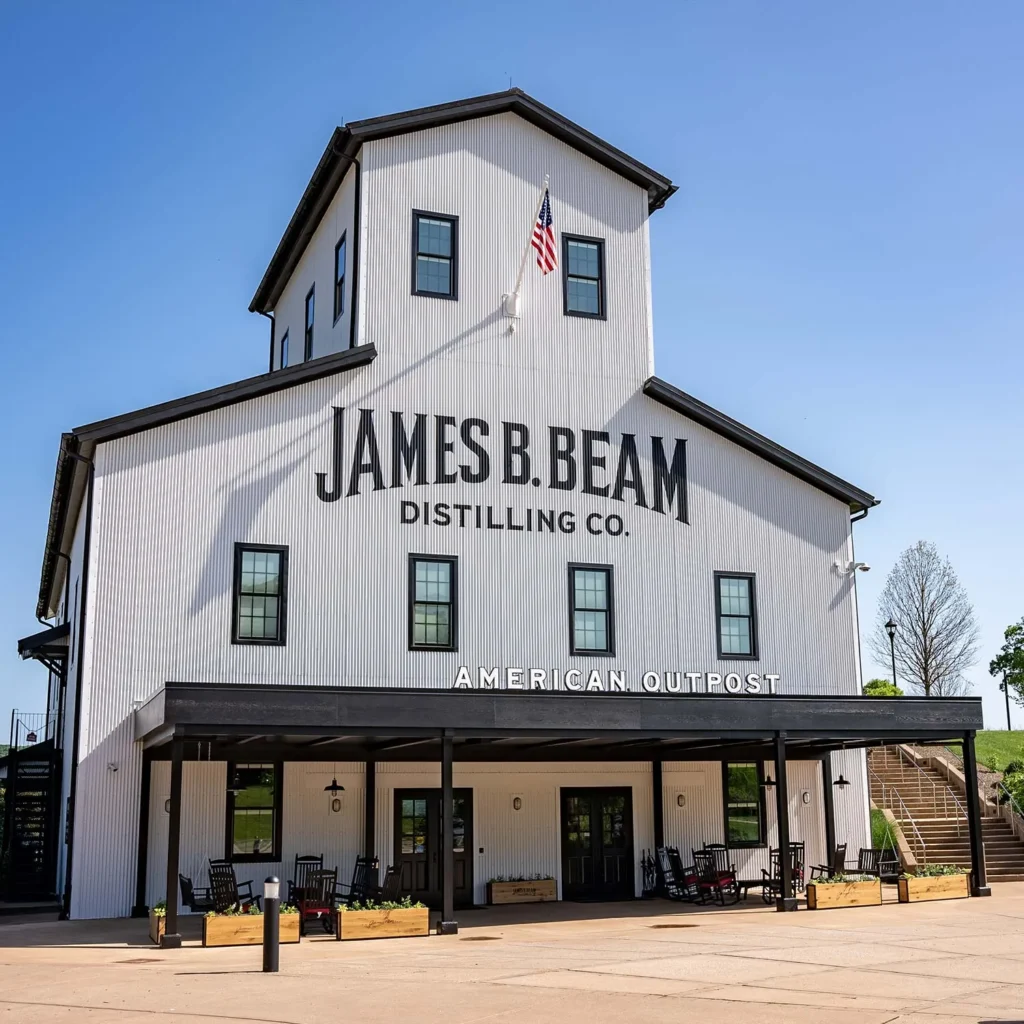
The James B. Beam Distilling Co. in Clermont, Kentucky is the home of Jim Beam, the world’s #1 bourbon. Eight generations of one family have made whiskey here since 1795, a continuous line that sets the distillery apart. Master distillers Fred Noe (7th generation) and Freddie Noe (8th generation) spend time on site most days, signing bottles and hosting Whiskey Wednesday tastings.
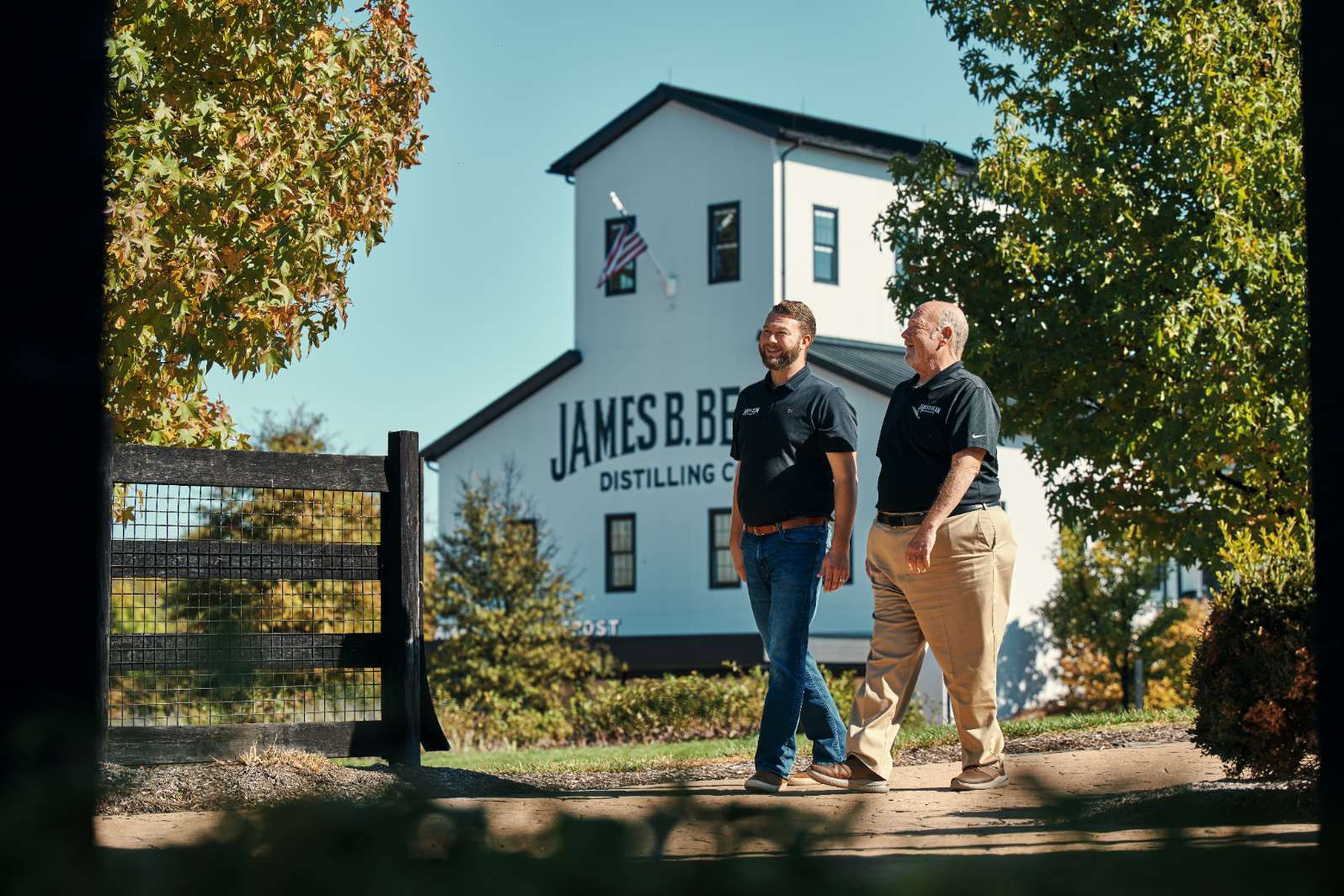
Guests rate the experience 4.7 stars across more than 1,400 reviews. The distillery is also a key stop on the Kentucky Bourbon Trail, which welcomed 2.7 million visitors in 2025, and the campus sits right off I-65 between Louisville and Bardstown, making it an easy first stop.
The flagship Beam Made Bourbon Tour & Tasting runs 75 minutes, grain to glass, with five bourbons tasted at the moments that explain them. Guests fill a barrel, dump a barrel, and bottle their own Knob Creek on the T-Line, pressing a thumbprint into the wax seal. The experience creates a welcoming first step into bourbon for new drinkers while still engaging seasoned fans.
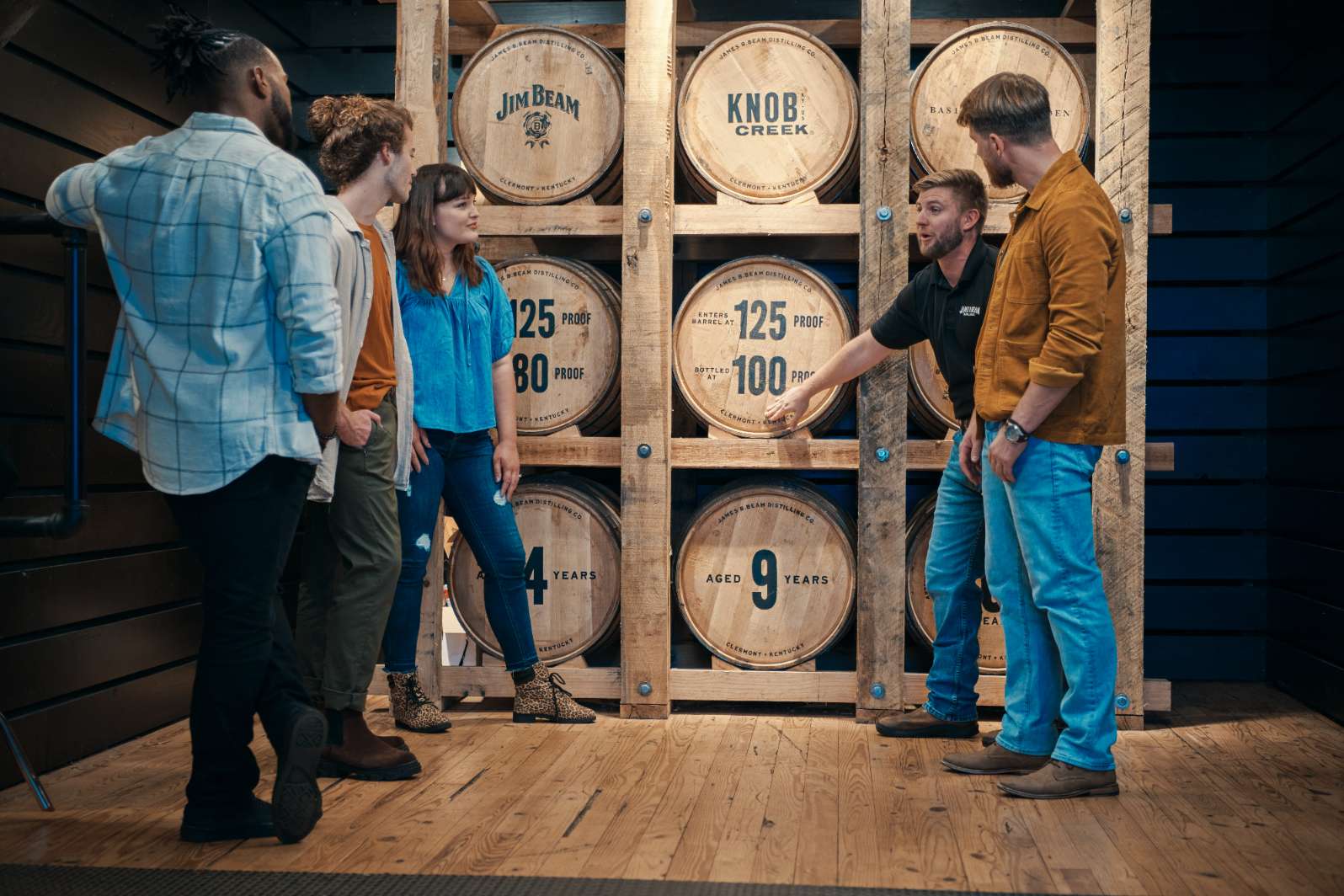
Plan your visit to the Home of the World’s #1 Bourbon.
Frequently Asked Questions
What is the smoothest whiskey for beginners?
Wheated bourbons like Maker’s Mark and triple-distilled Irish whiskeys like Jameson are widely considered the smoothest options for beginners. Wheat in the mash bill softens a bourbon’s profile compared to high-rye expressions, while triple distillation removes heavier compounds that contribute to harshness in Irish whiskey. Both styles are usually bottled at lower proof and carry natural sweetness that reduces the perception of alcohol burn. If you want the smoothest possible first sip, start with one of these two styles before exploring spicier rye or smokier Scotch expressions.
Should I drink whiskey neat or with ice?
Either choice works. Starting neat with a small sip gives you the clearest picture of a whiskey’s flavor profile. If the alcohol feels too strong, add a few drops of water, which breaks ester bonds and releases aromatic compounds that were trapped in the alcohol, often making the pour taste more open and complex. One large ice cube also works well, particularly for bourbon and Irish whiskey, because it melts slowly and softens the spirit without flooding the flavor. Your preference guides the decision.
What is the best budget whiskey for beginners?
Evan Williams Black Label offers classic bourbon flavor, with honey, vanilla, and light spice, at one of the most accessible price points in the category. Jim Beam White is another widely available, affordable option that delivers the core bourbon experience at 80 proof. Both are easy to find at most liquor stores and work equally well neat, on the rocks, or in a simple cocktail. Neither requires a significant investment, which makes them ideal for learning your preferences before spending more on premium expressions.
How do I know which whiskey style is right for me?
Think about flavors you already enjoy. If you like sweet desserts, caramel, or vanilla, bourbon makes a natural starting point because the high corn content produces gentle sweetness that many new drinkers appreciate. If you prefer light, crisp, and clean flavors, Irish whiskey fits that profile, with triple distillation and minimal peat keeping it gentle. If you enjoy fruity, honeyed flavors with a little more complexity, a Speyside Scotch like Glenfiddich 12 works well as a next step. Save heavily peated Islay Scotch and cask-strength expressions for later, once you know your tastes more clearly.
What can I expect from the Beam Made Bourbon Tour & Tasting?
The flagship tour at the James B. Beam Distilling Co. runs approximately 75 minutes and covers the full grain-to-glass story of how Jim Beam is made. Guests taste five bourbons at the moments that explain them, including Jim Beam White, Jim Beam Black, Basil Hayden, and Knob Creek, and take part in hands-on moments like filling and dumping a real barrel. On the T-Line, guests can bottle their own Knob Creek and seal it with a thumbprint pressed into wax. The tour stays welcoming for first-timers while going deep enough to satisfy enthusiasts. Tours depart from the James B. Beam Distilling Co. at 568 Happy Hollow Rd., Clermont, KY 40110, about 30 minutes south of Louisville. All tastings are for guests 21 and older with valid ID.
Your First Pour Awaits
Start with a smooth, lower-proof whiskey. Use a proper glass. Take small sips, give it time, and feel free to add a few drops of water. The Kentucky Hug waits in that first pour, and once you find it, the rest of the journey opens up.
The most memorable next step is tasting whiskey where it is made. Come see the Hardest Working Still in America, meet the family behind the bourbon, and leave with a bottle you filled and sealed yourself.
Plan your visit to the Home of the World’s #1 Bourbon.
Come as friends, leave as family.
Please enjoy responsibly. All tastings are for guests 21+ with valid ID. Drink Smart®.
This article is promotional content of James B. Beam Distilling Co. Please practice responsible drinking.