Written by: Tyler Himes, Senior Brand Manager – James B. Beam Distilling Co.
Key Takeaways
- Four clear criteria define a beautiful distillery: architecture, landscape, grounds, and light.
- This guide organizes the prettiest distilleries by region so you can plan efficient, scenic road trips.
- Kentucky highlights include Castle & Key’s restored Gothic limestone castle, Woodford Reserve’s creekside stone campus, and Maker’s Mark’s red-shuttered black buildings along the water.
- Beyond Kentucky, standout stops include Klocke Estate’s hilltop brandy distillery above the Catskills, High West’s mountain lodge in Utah, and St. George Spirits’ Bayfront WWII hangar.
- James B. Beam Distilling Co. serves as the scenic anchor of bourbon country, with historic rackhouses and sweeping Kentucky sunsets.
Book your Beam experience today
Prettiest Distilleries To Visit
Here is the full list of American distilleries that meet all four beauty criteria, organized by region. The sections that follow walk through each one in more detail so you can match your route to the views you want.
- Castle & Key — Millville, KY — restored 19th-century Gothic limestone castle with a formal sunken garden and springhouse over a natural limestone spring
- Woodford Reserve — Versailles, KY — 19th-century stone buildings set against Glenn’s Creek hills, framed by a horse-country drive lined with dry-laid limestone fences
- Maker’s Mark — Loretto, KY — creek-lined campus with distinctive black buildings featuring red shutters, walking trails, and pastoral grounds
- Willett — Bardstown, KY — family-owned landmark with classic old-world charm and intimate pastoral grounds
- James B. Beam Distilling Co. — Clermont, KY — historic rackhouses, the Jim Beam barn, and long Kentucky sunsets across rolling hills
- Klocke Estate — Claverack, NY — 182-acre hilltop brandy distillery with west-facing, double-height unobstructed views of the Catskill Mountain range
- Hillrock Estate Distillery — Ancram, NY — 1800s estate with sustainably revitalized bucolic grounds and field-to-glass whiskey production
- Tuthilltown Spirits — Gardiner, NY — 1788 grist mill on a 30-acre property, home of the first bourbon made in New York from state-grown grain
- Tenmile Distillery — Wassaic, NY — century-old dairy barn with distillery equipment imported from Scotland and bucolic grounds
- High West At Blue Sky Ranch — Wanship, UT — Old West lodge architecture on a gorgeous ridgeline with breathtaking views of the Uinta Mountains at roughly 6,000 feet elevation
- St. George Spirits — Alameda, CA — decommissioned WWII aircraft hangar with panoramic views of the San Francisco skyline and the Bay’s iconic bridges
Now move from the overview into the regions, starting with Kentucky, the heart of bourbon country.
Prettiest Distilleries In Kentucky
1. Castle & Key — Millville, KY
The restored Old Taylor Distillery campus at Castle & Key is the most architecturally dramatic stop on the Kentucky Bourbon Trail. Colonel E.H. Taylor Jr. built the original distillery in 1887 as the first in the United States designed from the ground up as a showplace. It featured a Gothic castle-style limestone main building, a formal sunken garden recessed below the surrounding grade, a stone springhouse over a natural limestone spring, and a barrel house shaped like a Roman colonnade. After sitting abandoned for more than 40 years, the 113-acre estate was purchased in 2014 and restored over four years at a cost of $20 million before opening to visitors in September 2018.
The sunken garden is the visual anchor and photographic centerpiece of every visit. The quarter-mile Botanical Trail is open to all guests at no charge during operating hours. The experience worth doing is the guided distillery tour and tasting, which moves through restored production spaces and the full history of the Old Taylor estate. Best Time To Visit: spring (April through early June) when the sunken garden is in bloom, or fall (September through October) for Kentucky hardwoods in color.
2. Woodford Reserve — Versailles, KY
Woodford Reserve is one of only three Kentucky distilleries designated a National Historic Landmark. Its 19th-century stone limestone buildings sit on 78 acres along Glenn’s Creek in Versailles, and the drive from Lexington through Versailles horse country, framed by dry-laid limestone fences and thoroughbred farms, sets the tone before you arrive. The property dates to 1812, when Elijah Pepper established a distillery on the land, and the original 1838 stone distillery building was restored by Brown-Forman in the 1990s.
The experience worth doing is the standard distillery tour, which includes the copper pot stills, the only major Kentucky distillery conducting a full triple distillation in copper pot stills, and the historic limestone rickhouses. Best Time To Visit: fall, when the drive through horse farms is at its most scenic and Kentucky fall foliage typically peaks in mid-to-late October, with the western Purchase region reaching peak in early November.
3. Maker’s Mark — Loretto, KY
Maker’s Mark at Star Hill Farm in Loretto is the gold standard for countryside scenery on the Bourbon Trail. The creek-lined, manicured estate on Star Hill Farm features black buildings with red shutters, walking paths, ponds and a 10-acre spring-fed lake, honeybee apiaries, and natural limestone-filtered water sources. The grounds explode with fall color and reward unhurried visitors. Budget at least 90 minutes beyond the tour to explore the grounds. Best Time To Visit: fall, when the campus is at its most photogenic.
4. Willett — Bardstown, KY
Willett Distillery is a family-owned Bardstown, Kentucky landmark distillery with classic old-world charm, family farm surroundings, and a traditional rustic aesthetic. The intimate, peaceful boutique feel and gorgeous pastoral grounds set it apart from larger commercial operations. The experience worth doing is the guided tour, which reflects the distillery’s deeply personal, low-key character. Best Time To Visit: fall for foliage, or any season for a quieter, more personal visit away from large crowds.
5. James B. Beam Distilling Co. — Clermont, KY
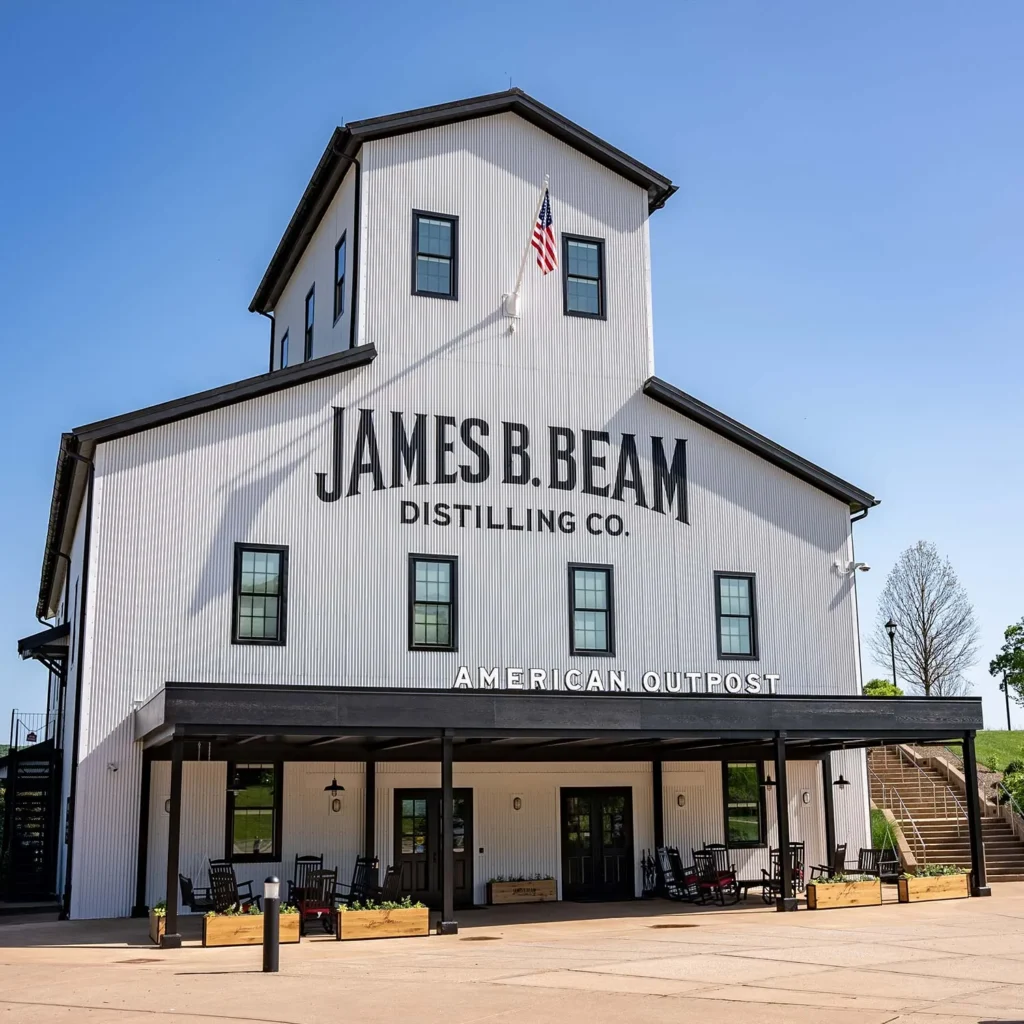
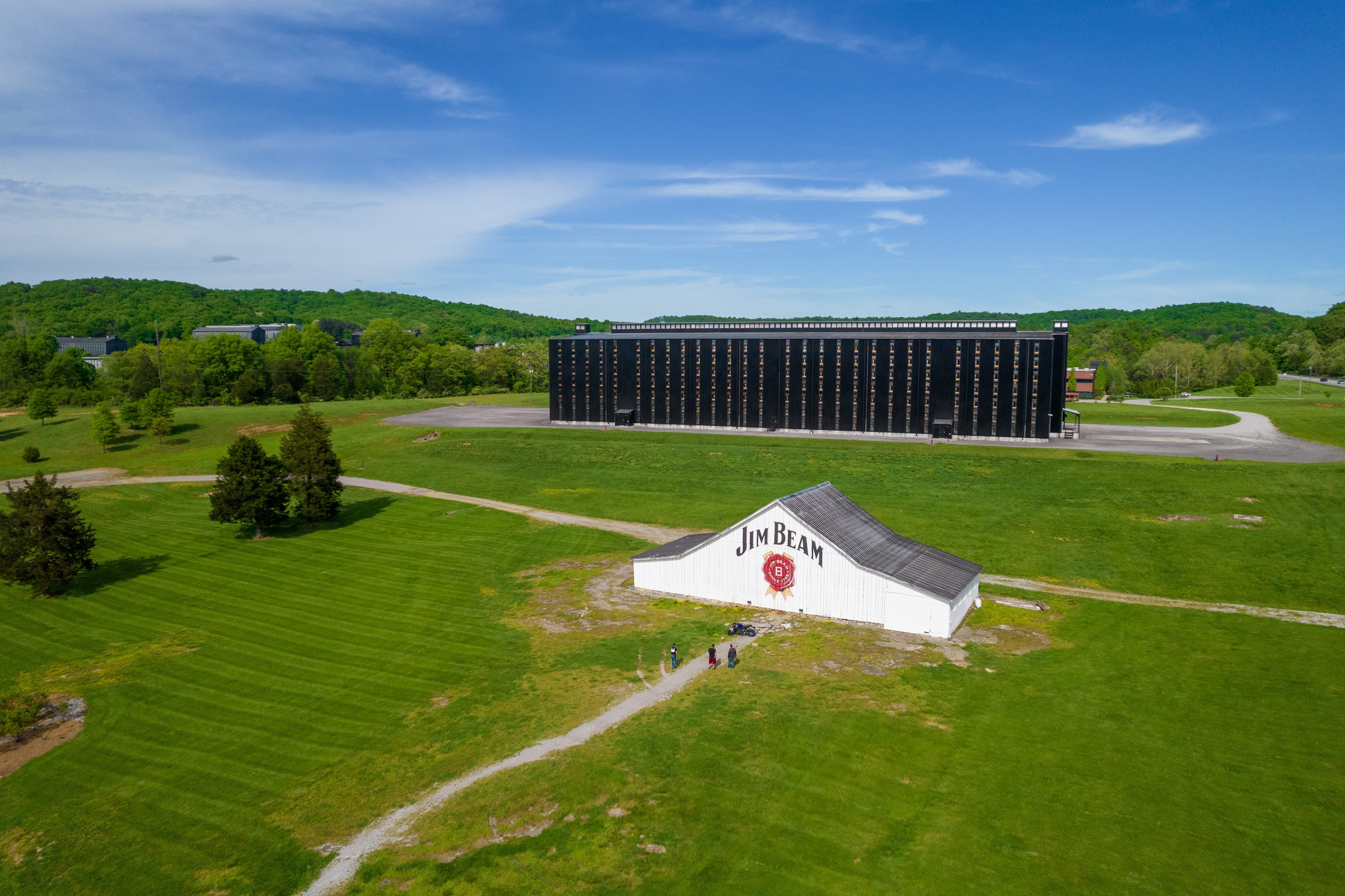
James B. Beam Distilling Co. in Clermont is the scenic anchor of bourbon country, with historic rackhouses, the Jim Beam barn, and broad views across the surrounding hills. It sits right off I-65 between Louisville and Bardstown, which makes it the easiest distillery to add to almost any Kentucky itinerary. You will find a full walkthrough of the campus and tour experience in the closing section below.
Reserve your spot on the Beam Made Bourbon Tour
Prettiest Distilleries In The Hudson Valley And Catskills
This region flies under the radar for many travelers and rewards anyone who makes the trip. The Hudson Valley and Catskills offer estate-style, farm-distillery experiences with fall foliage that ranked the No. 1 fall foliage destination in the United States according to Priceline. For travelers near New York City or routing through the Northeast, these four properties deliver the strongest mix of scenery and spirits.
1. Klocke Estate — Claverack, NY
Klocke Estate is a 182-acre earth-to-glass brandy distillery, farm, and dining destination set atop a Claverack hillside about five miles from Hudson, New York. The buildings, designed by BarlisWedlick Architects with interiors by Ken Fulk Inc, feature an exposed cast-in-place concrete foundation and custom dark bronze corrugated metal siding. The Great Room’s massive bar frames views of the Hudson River Valley, while the west-facing side offers double-height unobstructed views of the Catskill Mountain range, and the dining room looks straight out over the estate’s own vineyards and orchards. The landscape master plan by Wagner Hodgson Landscape Architecture guides visitors through productive orchards and vineyards with pathways inspired by Hudson Valley topography.
The experience worth doing is the guided distillery tour and tasting, with the option to dine at the farm-to-table restaurant led by executive chef Becky Kempter. Best Time To Visit: fall, when the upper Hudson Valley — Columbia and Greene counties — typically reaches peak color in the first two weeks of October.
2. Hillrock Estate Distillery — Ancram, NY
Hillrock Estate Distillery occupies an 1800s estate with a history of grain growing and onsite distilling until Prohibition and is one of the few field-to-glass whiskey producers in the world. The bucolic grounds have been sustainably revitalized, and the estate’s history gives it a depth of character that newer craft operations cannot match. Best Time To Visit: fall for foliage across the surrounding Columbia County landscape.
3. Tuthilltown Spirits — Gardiner, NY
Tuthilltown Spirits is housed in a 1788 grist mill on a property extending beyond 30 acres, and is home of the first bourbon made in New York from state-grown grain. The historic mill architecture and the scale of the grounds make it one of the most visually distinctive craft stops in the Northeast. Best Time To Visit: fall, when the surrounding Hudson Valley landscape is at peak color.
4. Tenmile Distillery — Wassaic, NY
Tenmile Distillery is located in a century-old dairy barn with distillery equipment imported from Scotland, offering a guided tour and tasting or a meal at the onsite restaurant with cocktails on the bucolic grounds. The barn architecture and pastoral setting give it a quiet, intimate character that suits visitors who prefer a more personal experience. Best Time To Visit: fall, when the mid-Hudson Valley — Ulster, Dutchess, and Orange counties — typically peaks between October 15 and October 22, per the I Love NY weekly regional foliage reports.
Prettiest Distilleries In The Mountain West
1. High West At Blue Sky Ranch — Wanship, UT
High West’s Blue Sky Ranch distillery sits at roughly 6,000 feet elevation at the junction of Utah’s Wasatch and Uinta Mountain ranges. The building is designed to look like an Old West lodge and stands on a gorgeous ridgeline with sweeping views of the Uinta Mountains. The drive through the Wasatch Mountains turns the approach into part of the experience. The distillery sits on the grounds of The Lodge at Blue Sky, an Auberge Collection property, tying the tasting directly to a luxury mountain resort landscape. Best Time To Visit: summer and early fall for mountain access and golden-hour light.
2. St. George Spirits — Alameda, CA
St. George Spirits occupies the western side of a decommissioned WWII aircraft hangar at the former Alameda Naval Air Station, with panoramic views of the San Francisco skyline, the Bay’s iconic bridges, the Port of Oakland cranes, and sometimes Mount Tamalpais from its adjacent gardened deck. The mid-century industrial design, with brushed aluminum, glass, concrete, steel, and dark wood, gives it a visual identity unlike any other American distillery. For travelers near California, it is the most architecturally striking stop in the West. Best Time To Visit: year-round, with the Bay views most dramatic on clear winter and spring days.
3. Wyoming Whiskey — Kirby, WY
Wyoming Whiskey in Kirby is the state’s flagship distillery, set against the Big Horn Mountains in a landscape that rivals any in the Mountain West. For travelers routing through Wyoming or approaching from Texas or the central plains, it is the most scenically grounded stop in the region. Best Time To Visit: late summer and early fall for mountain views and open skies.
While the United States offers plenty of beautiful distilleries, the same way of looking at them applies worldwide.
Prettiest Distilleries To Visit In The World: A Brief Note
While this guide focuses on the United States, the same four lenses of architecture, landscape, grounds, and light apply globally. Scotland, Ireland, and Japan offer estate-style and landscape-driven distillery experiences that have shaped the template for what a beautiful distillery can be. Slane Distillery in County Meath, housed in converted 18th-century stables on a 1,500-acre private estate in the Boyne Valley, shows how adaptive reuse of historic estate outbuildings can produce a visitor experience as architecturally rich as anything in Kentucky. Scotland’s Highland distilleries offer compact, intimate craft operations where the surrounding landscape does much of the visual work.
The American South and Northeast now rival those traditions for sheer scenic drama. A restored 19th-century castle in Kentucky, a hilltop brandy estate overlooking the Catskills, and a mountain-ranch distillery in Utah are destinations in their own right.
How To Choose Between Estate Distilleries And Craft Operations
Most travelers feel stuck because they have not decided which kind of beauty they want. Estate distilleries and craft operations offer genuinely different experiences, and the right choice depends on whether you value grand architecture or intimate landscape most.
| Attribute | Historic Estate Distilleries | Small Craft Operations |
|---|---|---|
| Architecture | Castle-like stone buildings, formal gardens, restored 19th-century structures, such as Castle & Key’s Gothic limestone main building built in 1887 | Converted barns, historic mills, and vernacular farm buildings, such as Tenmile’s century-old dairy barn and Tuthilltown’s 1788 grist mill |
| Grounds | Formal sunken gardens, botanical trails, sprawling acreage, such as Castle & Key’s 113-acre estate with a quarter-mile Botanical Trail | Intimate farm settings, orchard and vineyard rows, pastoral landscape views, such as Klocke Estate’s 60 acres of vineyards and apple orchards |
| Visitor Experience | Guided tours through restored production spaces and historic interpretation, larger groups, advance booking essential, such as in 2018, the Woodford Reserve Distillery welcomed 152,000 tourists to its Homeplace | Small-group, conversational, hands-on visits with guides who know every guest and intimate tasting rooms, such as craft distilleries where tours feel conversational rather than corporate |
The practical rule is simple. Choose a historic estate if you want grand architecture, formal grounds, and a deep dive into bourbon history in one place. Choose a farm-scale operation if you want a more personal visit shaped by landscape and intimate craft. Many travelers pair one of each on the same day, which is easy to arrange in Kentucky.
Best Time To Visit: A Regional Timing Guide
Kentucky: Spring and fall are the two most visually rewarding seasons. Spring (April through early June) is when Castle & Key’s sunken garden blooms and the grounds along Glenn’s Creek look their freshest. Fall is the single most popular window: Kentucky foliage typically peaks October 17 through 25, with the rolling hills between Bardstown, Lawrenceburg, and Versailles turning amber, burnt orange, and deep red. SEC football weekends in September and October, Derby season and the races, and Louisville conventions and trade shows all bring large numbers of visitors to the region, so advance booking for tours is essential, with popular distilleries selling out weeks ahead.
Hudson Valley And Catskills: Fall defines the region. The upper Hudson Valley — Columbia and Greene counties, where Klocke Estate and Hillrock sit — typically peaks in the first two weeks of October. The mid-Hudson Valley peaks between October 15 and October 22. The lower Hudson Valley peaks in the last week of October into the first days of November. In the Hudson Valley, peak fall color at any single location lasts only three or four days before leaves begin to drop, so timing matters. The New York State Fall Foliage Report at iloveny.com publishes free weekly updates each Friday from mid-September onward and is the most reliable tool for timing a trip.
Mountain West: Summer and early fall offer the best mountain access and golden-hour light. High West’s Blue Sky Ranch is open Wednesday through Sunday, and the Alpine Loop drive through the Wasatch Mountains is at its most dramatic from late September into mid-October, when the aspens turn gold against the ridgelines. Elevation has a greater influence on fall color timing in the Western U.S. than almost anywhere else, so nearby destinations can reach peak weeks apart.
With timing and regional choices in place, you can look at the one distillery that anchors the entire bourbon-country experience.
Where Beam Fits: The Scenic Anchor Of Bourbon Country
The James B. Beam Distilling Co. in Clermont, Kentucky is the scenic anchor of any bourbon-country trip and the one stop to prioritize. It sits right off I-65 between Louisville and Bardstown, so you pass it on the way to bourbon country, and it is the first stop on the Kentucky Bourbon Trail. The home of Jim Beam, the world’s #1 bourbon, the distillery is where eight generations of one family have made whiskey since Jacob Beam sold his first barrel in 1795, a continuity no competitor matches.
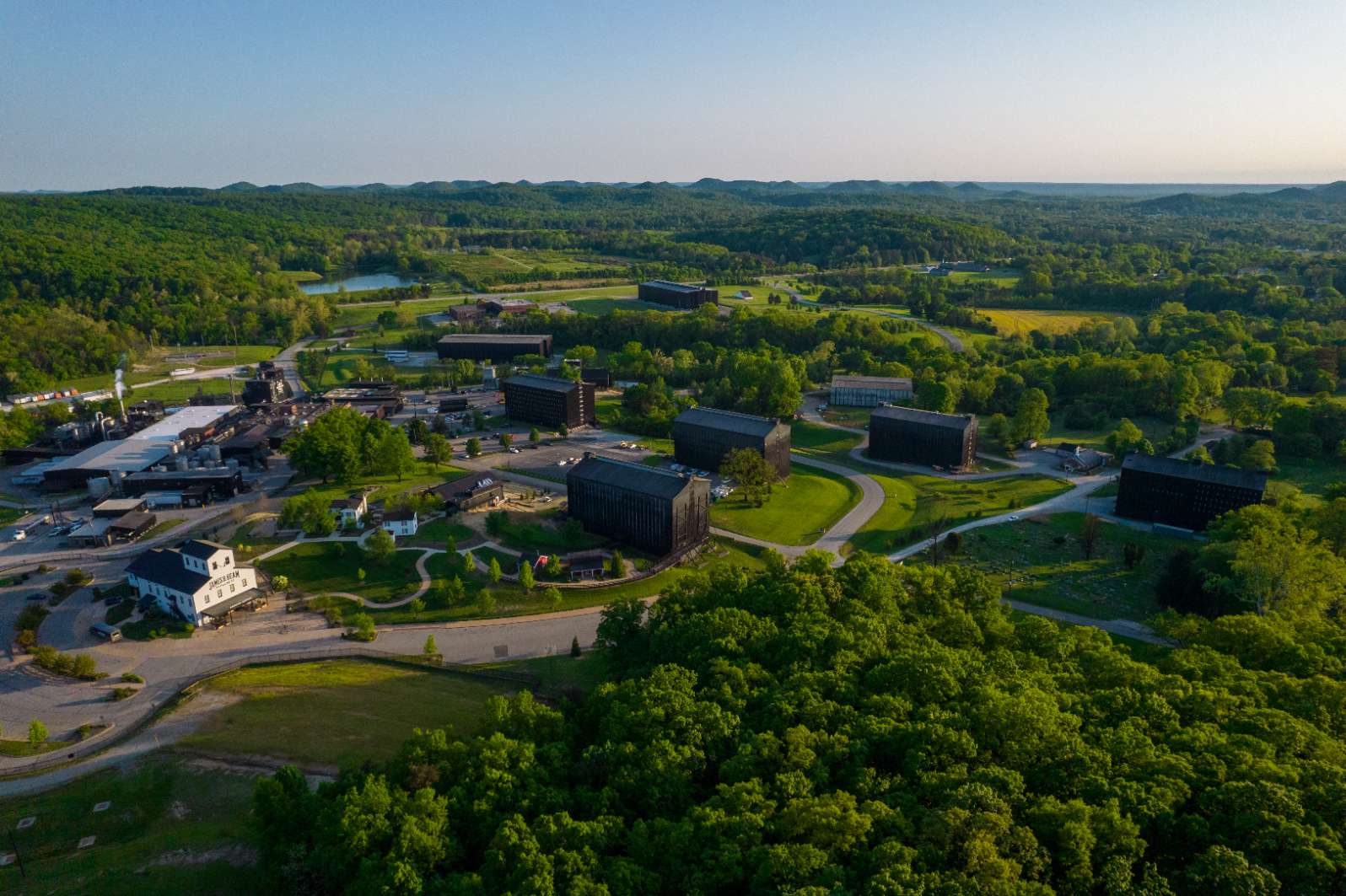
The campus delivers on every one of the four lenses that define a pretty distillery. Its architecture includes historic rackhouses and the Jim Beam barn. The landscape stretches across hundreds of acres bordering Bernheim Arboretum & Research Forest, where long Kentucky sunsets turn the rackhouses amber and crimson by mid-October. Elevated walkways between buildings offer unobstructed rickhouse-and-foliage photo opportunities that many visitors miss. The light plays across roughly 3.1 million barrels aging in warehouses, creating a visible scale of maturation in row after row of rackhouses stretching across the Kentucky hills.
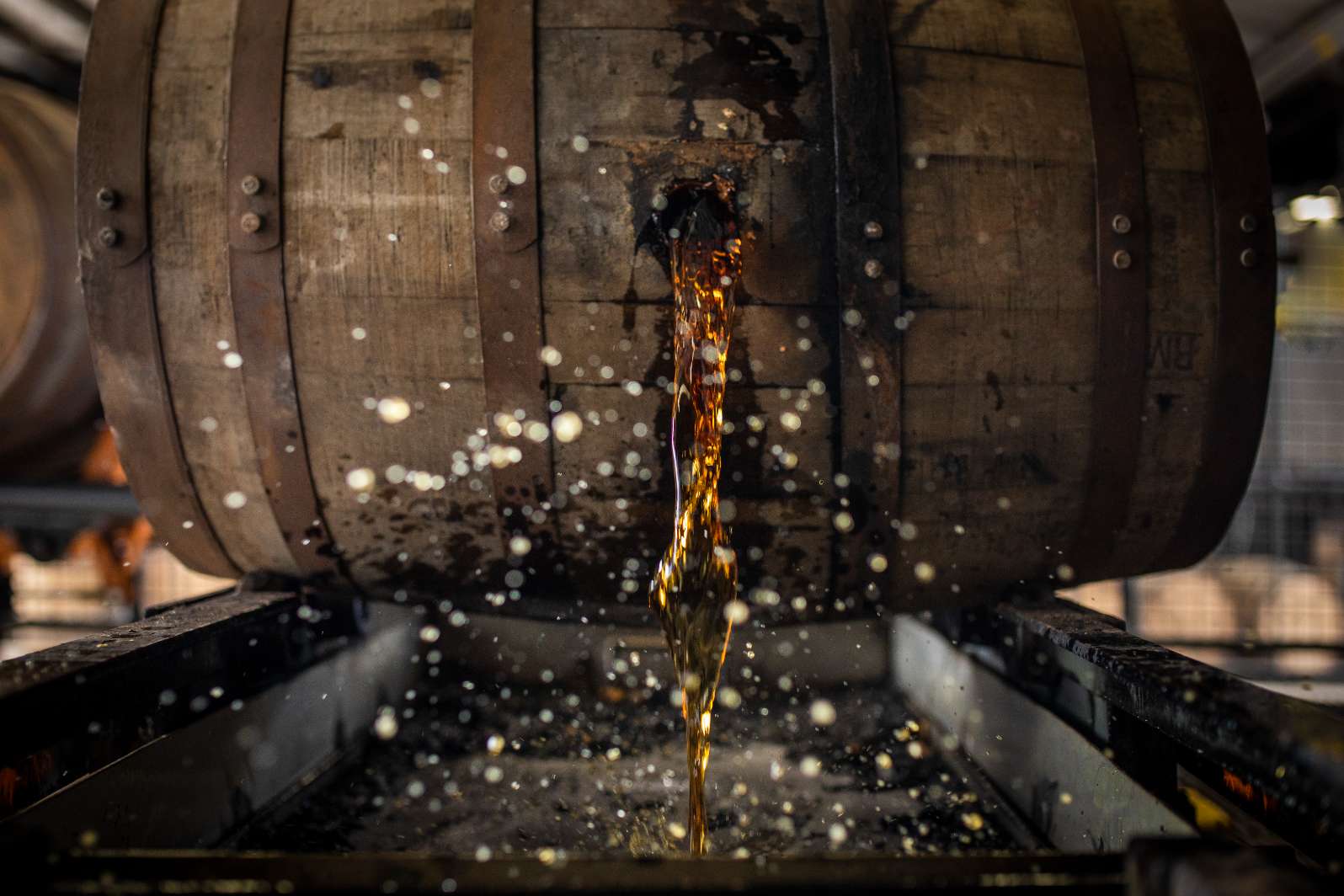
The flagship Beam Made Bourbon Tour & Tasting is the way to experience the site. At $30 plus tax and fees, it runs about 75 minutes, accommodates up to 24 guests, and moves grain to glass, with five bourbons tasted as you go at the moments that explain them. Guests fill a barrel, dump a barrel, and can bottle their own Knob Creek on the T-Line, pressing a thumbprint into the wax seal. The Beam Made Bourbon process is rooted in the same signature yeast strain that Jim Beam carried back and forth in his Cadillac every day to keep it safe, and that same strain still runs through nearly every Beam bourbon today.
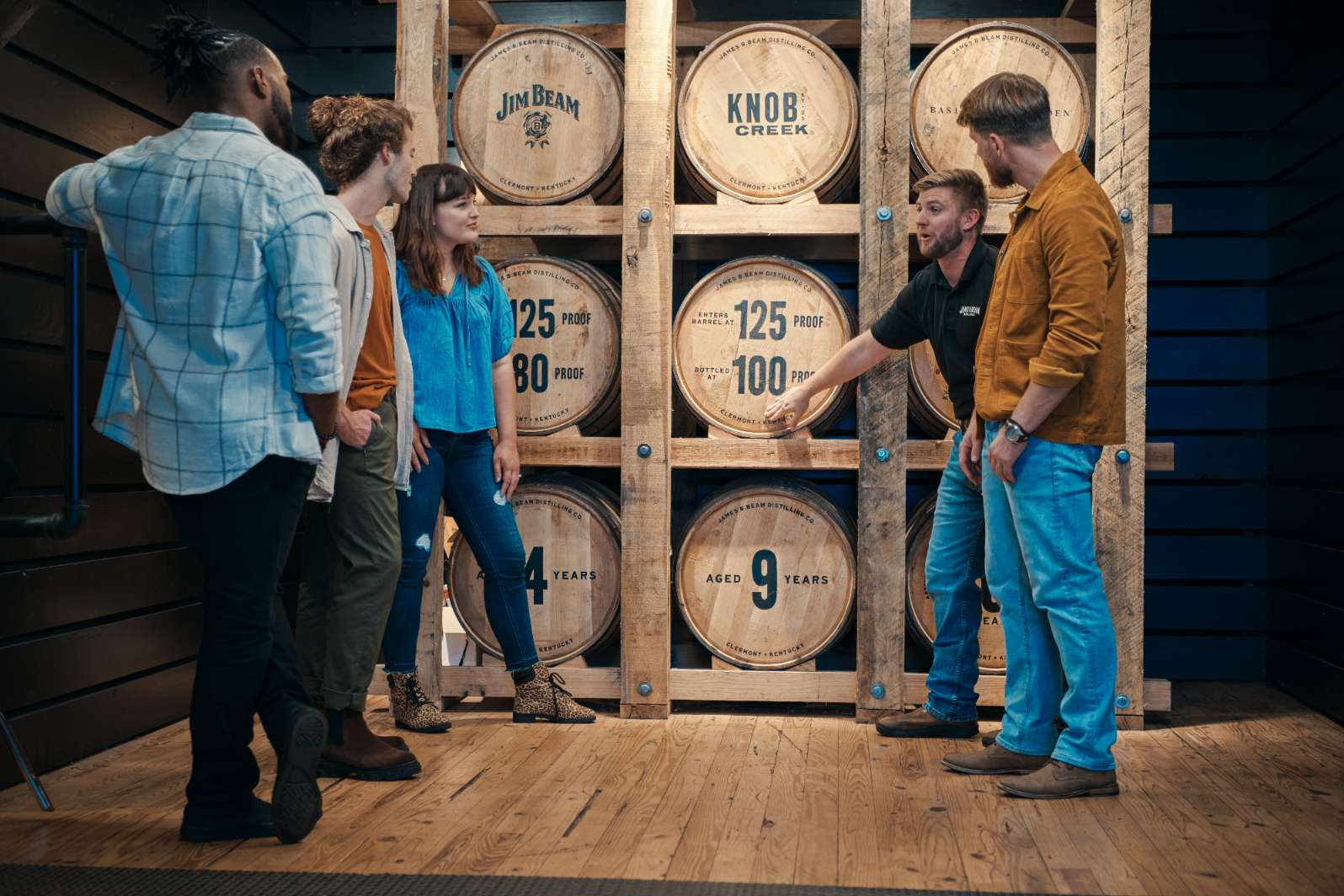
Master distillers Fred Noe (7th generation) and Freddie Noe (8th generation) are on site nearly every day, and the First Family of Bourbon title reflects a literal, checkable family history. The campus also holds The Kitchen Table restaurant and the American Outpost gift shop, stocked with hard-to-find rare bourbons and distillery-exclusive bottles available on the shelf without timed drops or lotteries. The distillery carries a 4.7-star rating across more than 1,400 Google reviews, which shows how consistently visitors leave happy.
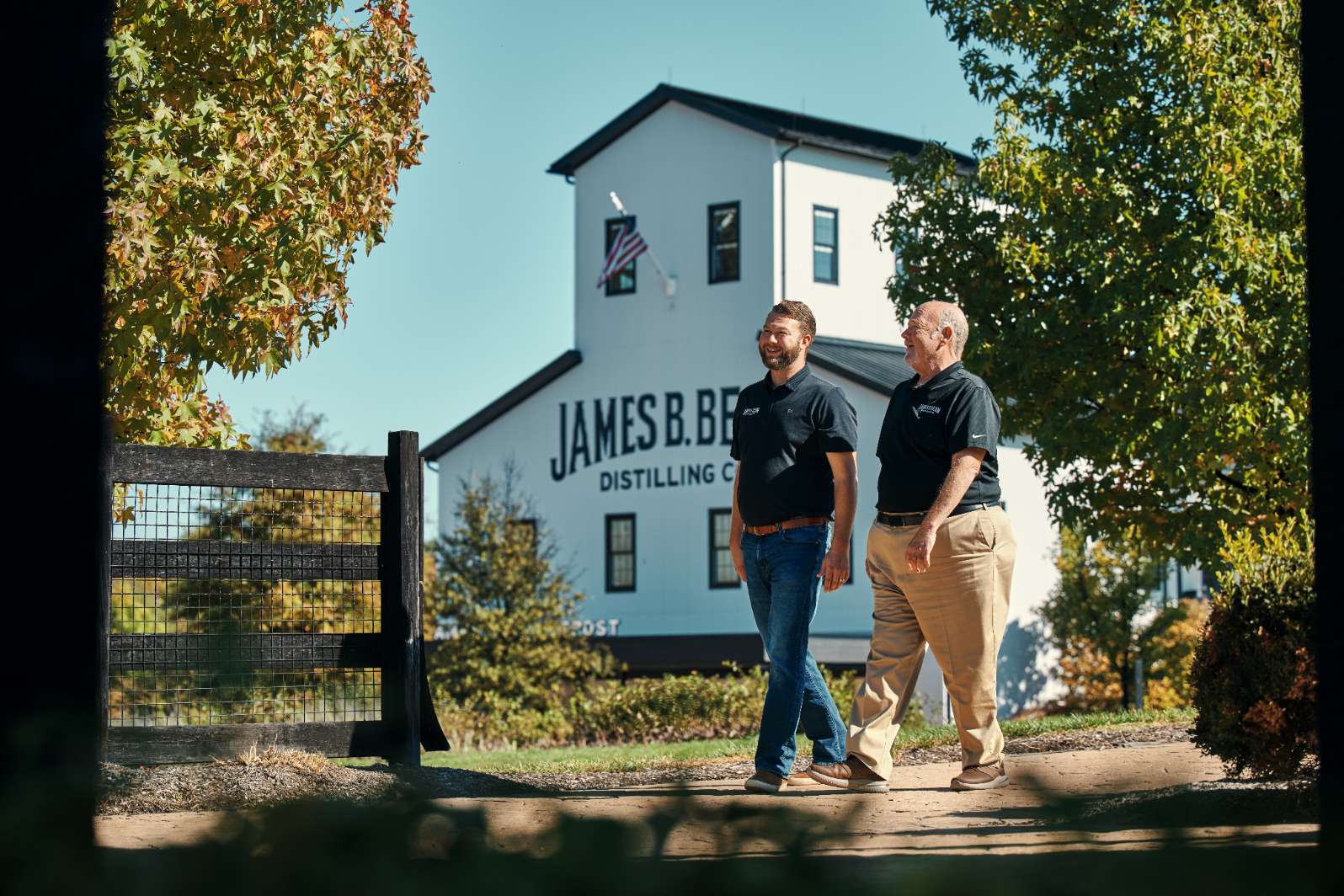
For anyone doing just one distillery, Beam is the clear pick. For anyone doing three, Beam serves as the anchor, with Maker’s Mark and Heaven Hill as natural same-day companions. Come as Friends, Leave as Family.
Experience the Beam Made Bourbon Tour & Tasting
Frequently Asked Questions
Which Kentucky Distilleries Are Considered The Most Beautiful?
Five Kentucky distilleries consistently stand out on aesthetic grounds. Castle & Key in Millville, just outside Frankfort, occupies a restored 19th-century Gothic limestone campus with a formal sunken garden, a stone springhouse over a natural limestone spring, and a quarter-mile Botanical Trail, the most architecturally dramatic stop on the Bourbon Trail. Woodford Reserve in Versailles features 19th-century stone buildings set against Glenn’s Creek hills, with the drive through Versailles horse country framed by dry-laid limestone fences adding to the experience before you arrive. Maker’s Mark in Loretto offers a creek-lined campus with distinctive black buildings featuring red shutters, walking trails, ponds, and pastoral grounds that reward unhurried visitors. Willett in Bardstown is a family-owned landmark with classic old-world charm and intimate pastoral grounds, offering a quieter and more personal visit than larger commercial operations. James B. Beam Distilling Co. in Clermont delivers historic rackhouses, the Jim Beam barn, and long Kentucky sunsets across hundreds of acres bordering Bernheim Arboretum, making it the scenic anchor of bourbon country.
What Is The Best Distillery To Visit?
For anyone doing just one distillery, the James B. Beam Distilling Co. in Clermont, Kentucky is the definitive answer. It sits right off I-65 between Louisville and Bardstown, making it the easiest stop to add to any itinerary because you pass it on the way to bourbon country. It is the first stop on the Kentucky Bourbon Trail and the home of Jim Beam, the world’s #1 bourbon, made by eight generations of one family since 1795. The flagship Beam Made Bourbon Tour & Tasting runs about 75 minutes, costs $30 plus tax and fees, and delivers a grain-to-glass experience with five bourbons tasted as you go, hands-on barrel filling and dumping, and the option to bottle your own Knob Creek with a thumbprint pressed into the wax. For anyone doing three distilleries in a day, Beam is the anchor, with Maker’s Mark and Heaven Hill as natural same-day companions.
Do I Need Reservations For Distillery Tours?
Yes, you need reservations for virtually every guided tour and tasting at every distillery on this list. Popular times sell out well in advance, especially on weekends and during Kentucky’s busiest travel windows, including SEC football weekends in September and October, Derby season and the races, and Louisville conventions and trade shows. At the James B. Beam Distilling Co., advance booking is strongly recommended because tours depart promptly and guests cannot join a tour already in progress. At Castle & Key, Saturday and Derby-week dates fill two to three months ahead. At Woodford Reserve, weekends require three to four weeks’ notice and Derby season five to six weeks. Booking early is the single most important logistical step for any distillery trip.
How Long Does A Distillery Visit Take?
The flagship Beam Made Bourbon Tour & Tasting runs about 75 minutes for the guided experience itself. Plan on spending two to three hours on the grounds overall, with time to visit the American Outpost gift shop and grab a meal at The Kitchen Table restaurant. Guided distillery tours on the Kentucky Bourbon Trail typically run about 75 minutes, with some, like Castle & Key’s, lasting 60 to 90 minutes. At estate properties like Castle & Key, grounds access is open-ended, and the Botanical Trail and sunken garden can fill an additional hour on their own. At Klocke Estate in the Hudson Valley, combining a distillery tour with a meal at the farm-to-table restaurant makes for a substantial visit, and the estate recommends booking the tour one hour before your restaurant reservation, leaving time for a cocktail at the bar in between, so a practical plan of tasting, lunch, and a walk around the grounds runs about three hours.
What Is The Prettiest Time Of Year To Visit Distilleries?
Fall is the single most visually rewarding season across all regions. In Kentucky, foliage typically peaks in mid-to-late October, with the western Purchase region reaching peak in early November, and the rolling hills between Bardstown, Lawrenceburg, and Versailles turning amber, burnt orange, and deep red. In the Hudson Valley and Catskills, ranked the No. 1 fall foliage destination in the United States, the upper valley peaks in the first two weeks of October and the mid-valley peaks between October 15 and October 22. In the Mountain West, golden aspens appear in late September and early October, with peak timing varying by latitude and elevation, with northern and higher-elevation areas peaking first in mid- to late September, central areas in late September to early October, and southern or lower-elevation areas in early to mid-October. Spring is also excellent in Kentucky, particularly April through early June when Castle & Key’s sunken garden is in bloom and the grounds along Glenn’s Creek are at their most photogenic.
Are Distilleries Family-Friendly?
Families are welcome on the tours at most major distilleries, including James B. Beam Distilling Co., Castle & Key, Woodford Reserve, and Maker’s Mark. Children can walk the grounds, see the production spaces, and learn about the history, but only guests 21 and over can participate in tastings. Many properties also offer outdoor seating, walking paths, and casual dining, which makes them comfortable stops for mixed-age groups.
This article is promotional content of James B. Beam Distilling Co. Please practice responsible drinking.