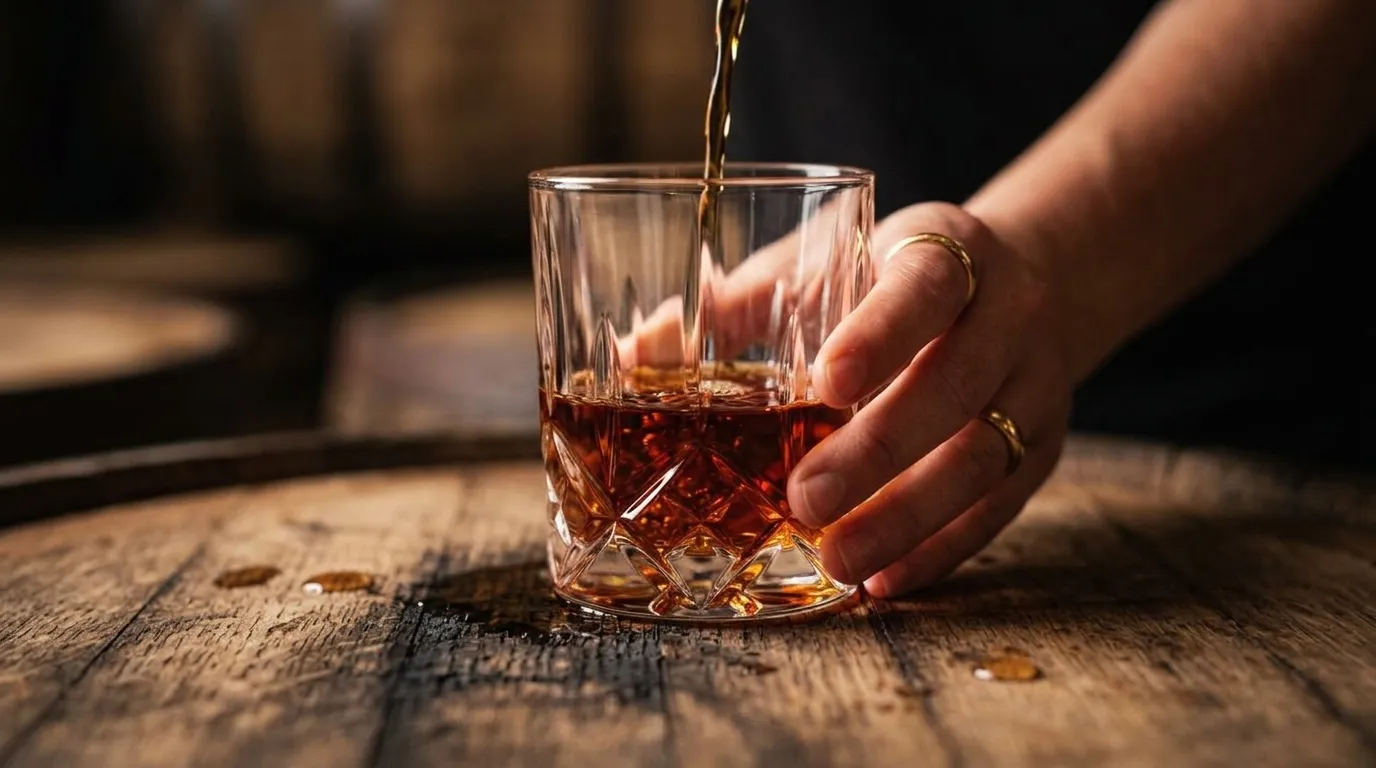
Written by: Tyler Himes, Senior Brand Manager – James B. Beam Distilling Co.
Key Takeaways
- Single barrel bourbon comes from one cask, while barrel proof means the whiskey is bottled at or near its natural strength with little or no added water.
- Warehouse position, age, and entry proof drive barrel-to-barrel variation in proof, flavor, and color, so each bottle tastes unique.
- Shoppers can choose confidently by checking three details on the label: proof, age statement, and pick type (distillery vs. store pick).
- Barrel proof pours above 110 proof usually show more flavor after a short rest in a Glencairn or tulip glass and a few drops of water.
- Plan a visit to the James B. Beam Distilling Co. and experience the Beam Made Bourbon Tour & Tasting at the home of Jim Beam.
Is Single Barrel The Same As Barrel Proof?
Single barrel describes how many barrels the whiskey came from, and barrel proof describes whether water was added before bottling. The two terms measure different things, and understanding the barrel proof vs single barrel distinction is the first step to reading a label accurately.
A whiskey can be single barrel without being barrel proof. The distillery draws from one cask, then adds water to reach a target proof before bottling. Knob Creek Single Barrel Reserve is a clear example. It carries a nine-year age statement and a fixed 120 proof, so water was added to reach that consistent number even though the whiskey came from a single cask.
A whiskey can also be barrel proof without being single barrel. The distiller dumps several barrels, blends them, and bottles the blend without dilution. Wild Turkey Rare Breed, for instance, is a barrel-proof marriage of multiple age stocks, not a single-cask release. Only when both terms appear together, or when the label explicitly states both, does the shopper get whiskey from one barrel at its natural strength.
Why Every Bottle Of The Same Single Barrel Tastes Different
Every single barrel shopper faces real barrel-to-barrel variation, which creates both risk and reward. Three variables drive that variation: warehouse position, age, and barrel-entry proof.
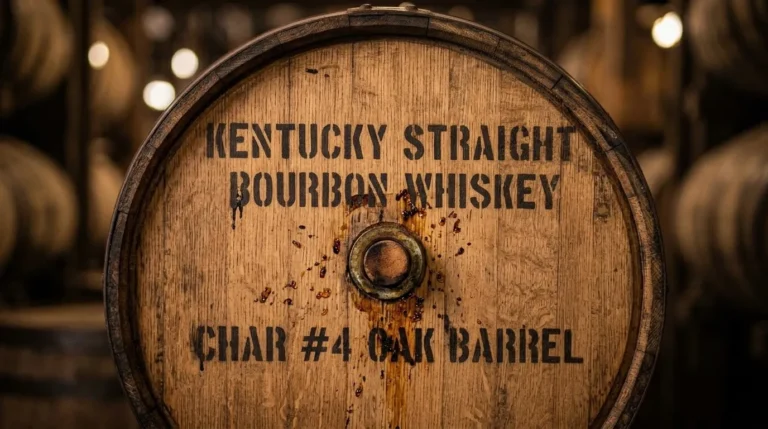
Warehouse position is the most consequential factor. Barrels on upper rickhouse floors face warmer temperatures and greater water evaporation, producing whiskey with higher proof and bolder, more concentrated flavors, while ground-floor barrels retain more water and lose more alcohol, yielding lower-proof whiskey with softer, sweeter notes. The rickhouse itself acts as a flavor amplifier. Air circulation around each barrel creates the temperature swings that drive spirit in and out of the wood, and no two positions in a warehouse share exactly the same microclimate.
Age compounds the effect of warehouse position. Barrels sitting warmer or catching a wider daily temperature swing work the wood harder and age faster than barrels just a few feet away in the same rickhouse. Two barrels from the same production run can diverge significantly. One may lean sweeter and rounder, while the other pushes oak and spice, and neither is flawed. Every barrel is a different tree, with oak staves varying in grain density, wood sugar content, and char depth, and that variation transfers straight into the whiskey over years of contact.
Barrel-entry proof sets the starting conditions for that aging journey. Federal law caps barrel entry at 125 proof (62.5% ABV) under 27 CFR § 5.143, and the choice of where within that range a distillery fills its barrels shapes the entire flavor trajectory. A barrel filled at 107 proof extracts a sweeter, rounder profile than the same barrel filled at 125, because water is the solvent for wood sugars and vanillin while ethanol extracts heavier tannins.
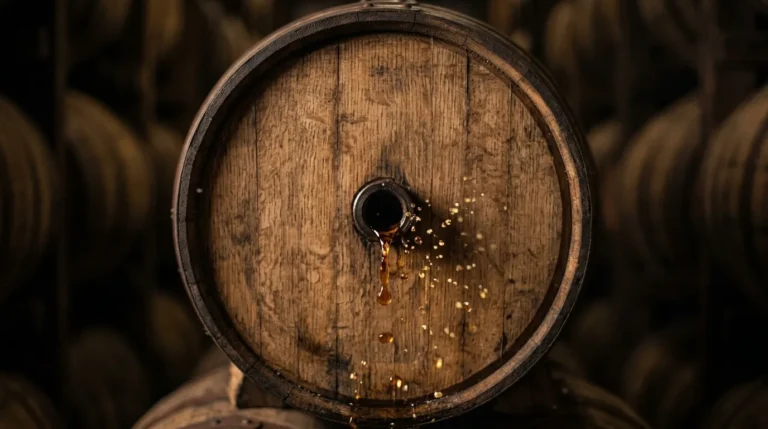
The James B. Beam Distilling Co. manages more barrel-to-barrel variation than almost any operation on earth. Roughly 3.1 million barrels age across approximately 100 warehouses in Clermont, Boston, and Frankfort, Kentucky, and eight generations of one family have made bourbon there since Jacob Beam sold his first barrel in 1795. Because 60 to 70 percent of a bourbon’s flavor and 100 percent of its color come from barrel aging, the distillery created the Maturation Matters warehouse experience. Guests hammer open a barrel and thief whiskey straight from the wood to feel that variation in real time.
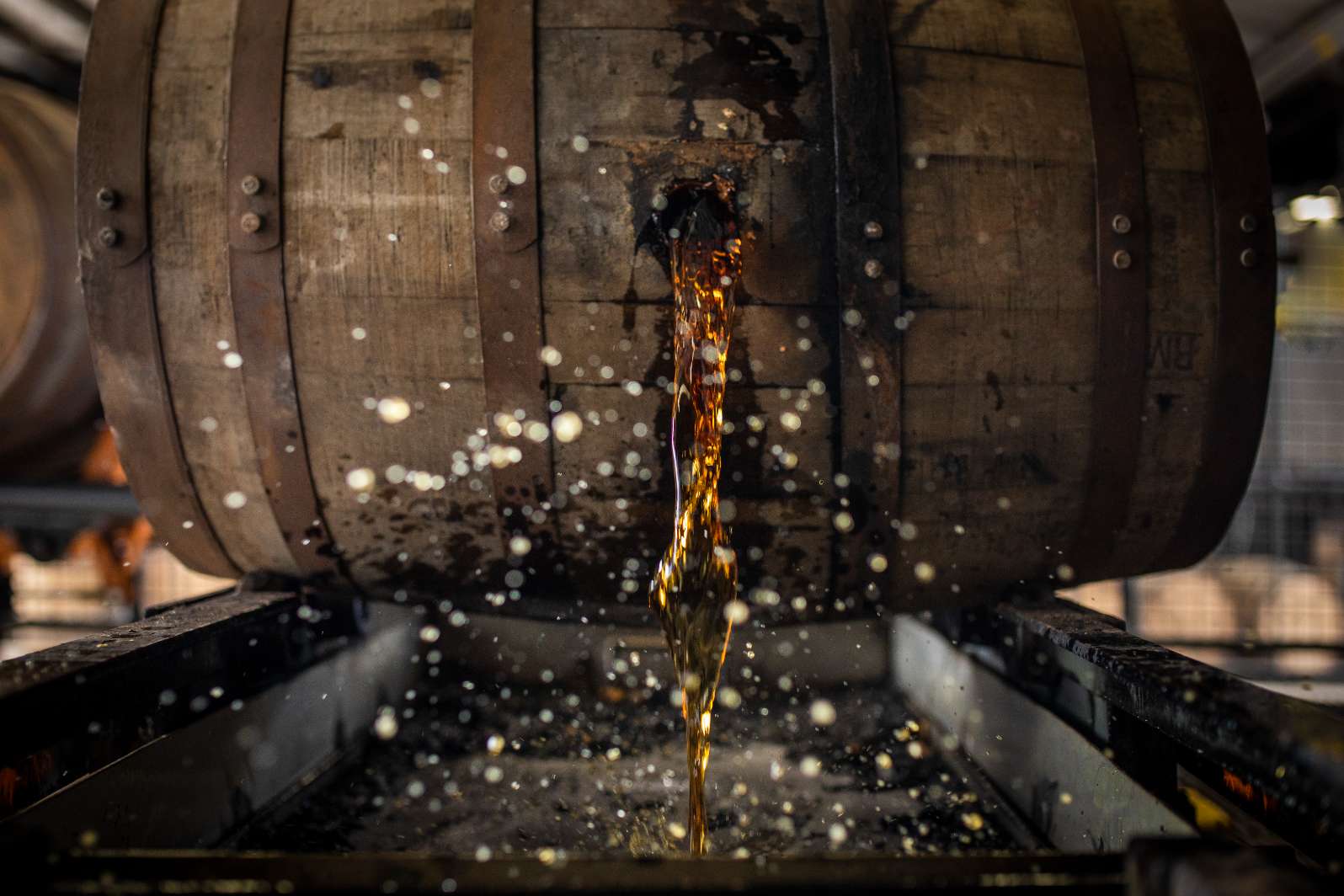
How To Choose A Single Barrel Barrel Proof Bourbon
The right single barrel barrel proof bourbon is the one that fits your palate, not the one with the highest number on the label. A simple three-part check of proof, age statement, and pick type gives you a repeatable way to decide at the shelf or online.
- Evaluate the proof. Barrel proof bourbon typically lands between 120 and 135 proof (60–67%+ ABV), though individual barrels can fall outside that range. For most enthusiasts, 120 proof is a reasonable entry point. It is strong enough to deliver concentrated oak, vanilla, and baking spice, yet manageable with a few drops of water. Proof alone does not indicate quality, because it says nothing about the distillate, the age, or how carefully the barrel was selected. Mash bill matters just as much. A wheated mash bill at 120 proof will drink softer and sweeter than a high-rye bill at the same number.
- Read the age statement. Older barrel-proof bourbon tends to wear its proof more gracefully than young, fiery bottlings because it has spent longer softening in oak. An age statement is one of the few pieces of information on a label that is legally required to be accurate. Age statements on American whiskey labels must reflect the youngest whiskey in a blended batch, so a stated age is a floor, not an average. No-age-statement releases can still be excellent, yet they give the buyer less concrete information.
- Identify the pick type. A distillery pick is selected by the producer’s own team and typically reflects house style. A store pick is selected by a retailer or bar, often from a range of barrels the distillery makes available, and can vary meaningfully in proof, flavor, and age from the standard release. Documented store picks of Knob Creek Single Barrel Select Cask Strength have come in at 122.1, 124.6, and 125.9 proof. All carry an age statement of 9 years and older, showing meaningful variation from barrel to barrel within the same program.
At the counter, focus on a few practical questions. Ask for the barrel number, the warehouse and rick position, the entry proof, and the age. Wilderness Trail’s Harvest Bourbon Single Barrel prints barrel number, warehouse location, rick position, entry proof, and grain bill on the back label, which makes evaluation straightforward. When a retailer or distillery can answer those questions, you have real information. When they cannot, the front label is doing most of the work.
Reference Bottles Worth Knowing
The evaluation framework above becomes easier to use with concrete examples. The James B. Beam Distilling Co. is the home of the entire Small Batch Collection, including Knob Creek, Basil Hayden, Booker’s, and Baker’s, plus Little Book and Hardin’s Creek. Three bottles from that family serve as reference standards for the single barrel barrel proof category.
Knob Creek Single Barrel Reserve carries a nine-year age statement and is bottled at 120 proof. Retailer-selected store picks sometimes offer additional age or unusual flavor characteristics near the standard bottle’s price. It is the most accessible entry point into the Beam single barrel program and a reliable benchmark for evaluating other bottles in the 120-proof range.
Booker’s is the bottle that arguably started the entire barrel-proof category. Introduced by legendary Beam distiller Booker Noe, it is bottled at its natural barrel strength, reported in 2026 at 126.4 proof with a stated age range of 6–8 years. It is released in named batches with real character variation, so each batch offers a slightly different take on the same core profile.
Baker’s 13 Year Old Bourbon returned for 2026 as an annual limited release. It is bottled at 107 proof from single barrels aged at least 13 years, with an MSRP of approximately $150. The Fred B. Noe Craft Distillery, associated with seventh-generation master distiller Fred Noe, is where small-batch bourbons like Baker’s and Booker’s are made. Because Baker’s is a single barrel product, flavors vary from bottle to bottle. From a distillery that prides itself on consistency, Baker’s remains the standard offering that seems to celebrate deviation from the norm.
For broader category context, two non-Beam bottles are also useful reference points. Jack Daniel’s Single Barrel Barrel Proof Tennessee Whiskey is bottled between 125 and 140 proof with barrel-to-barrel variation ranging from sweet, dessert-like profiles to hotter, darker, oak-forward ones. Old Forester 1920 is a widely available high-proof option at 115 proof with realistic 2026 retail between $59.99 and $79.99.
Where To Buy And Taste These Bottles
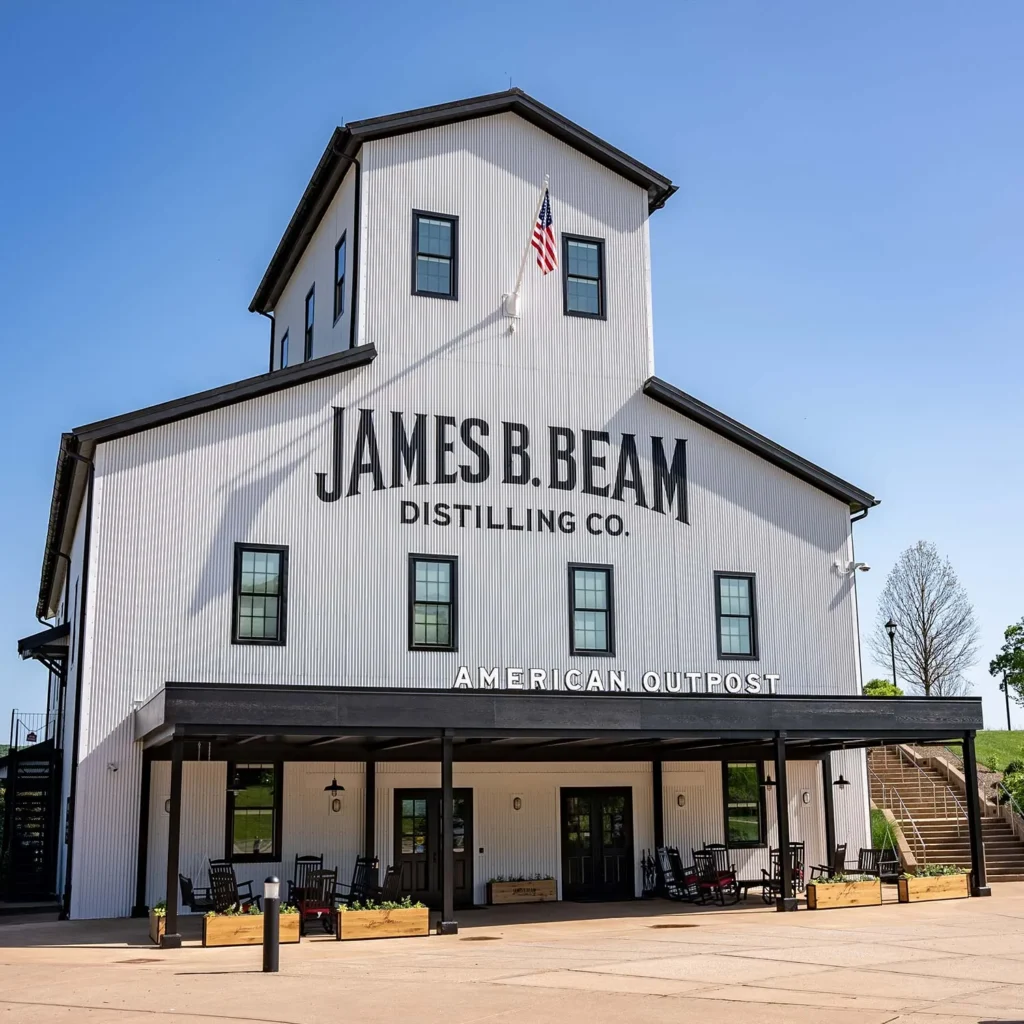
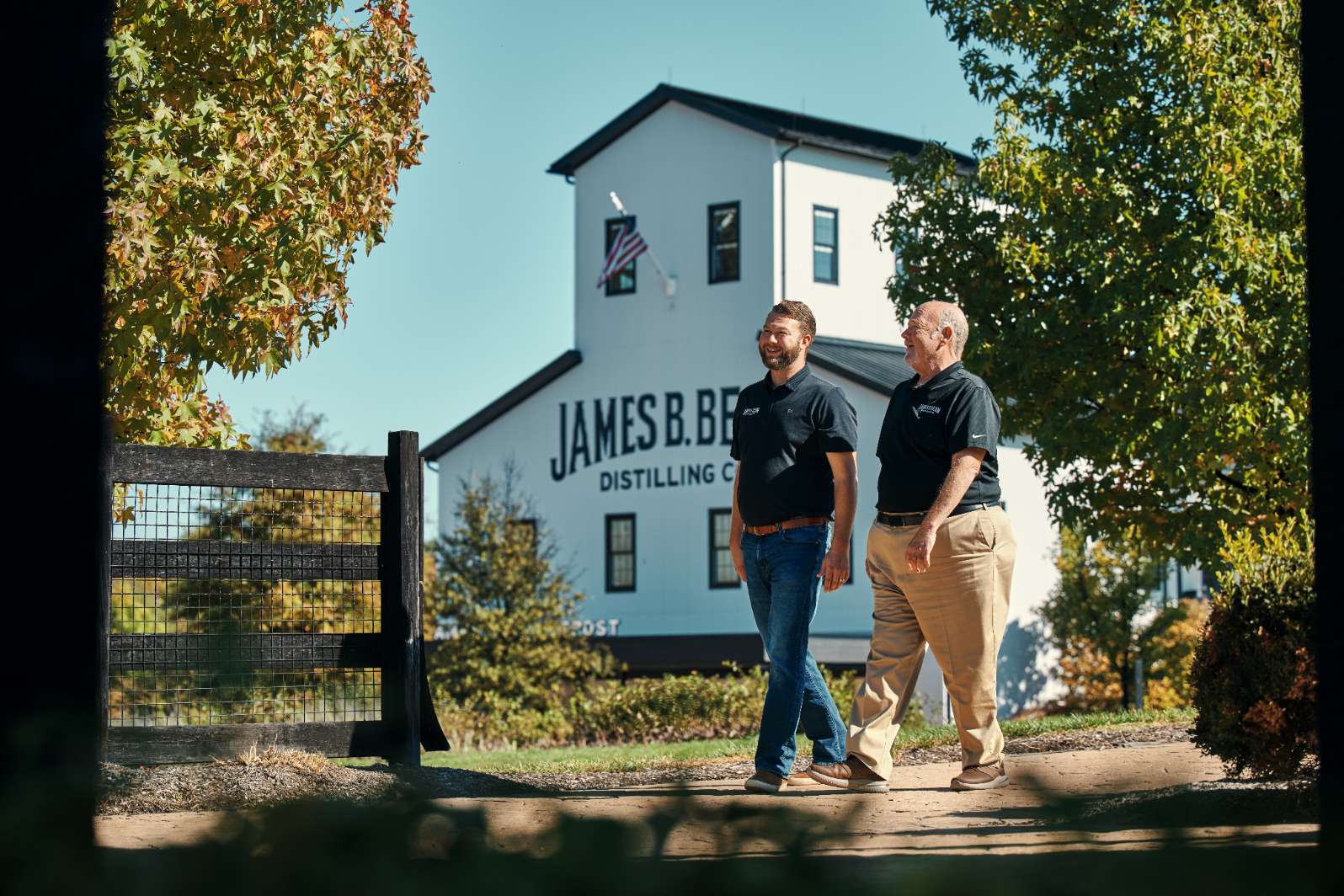
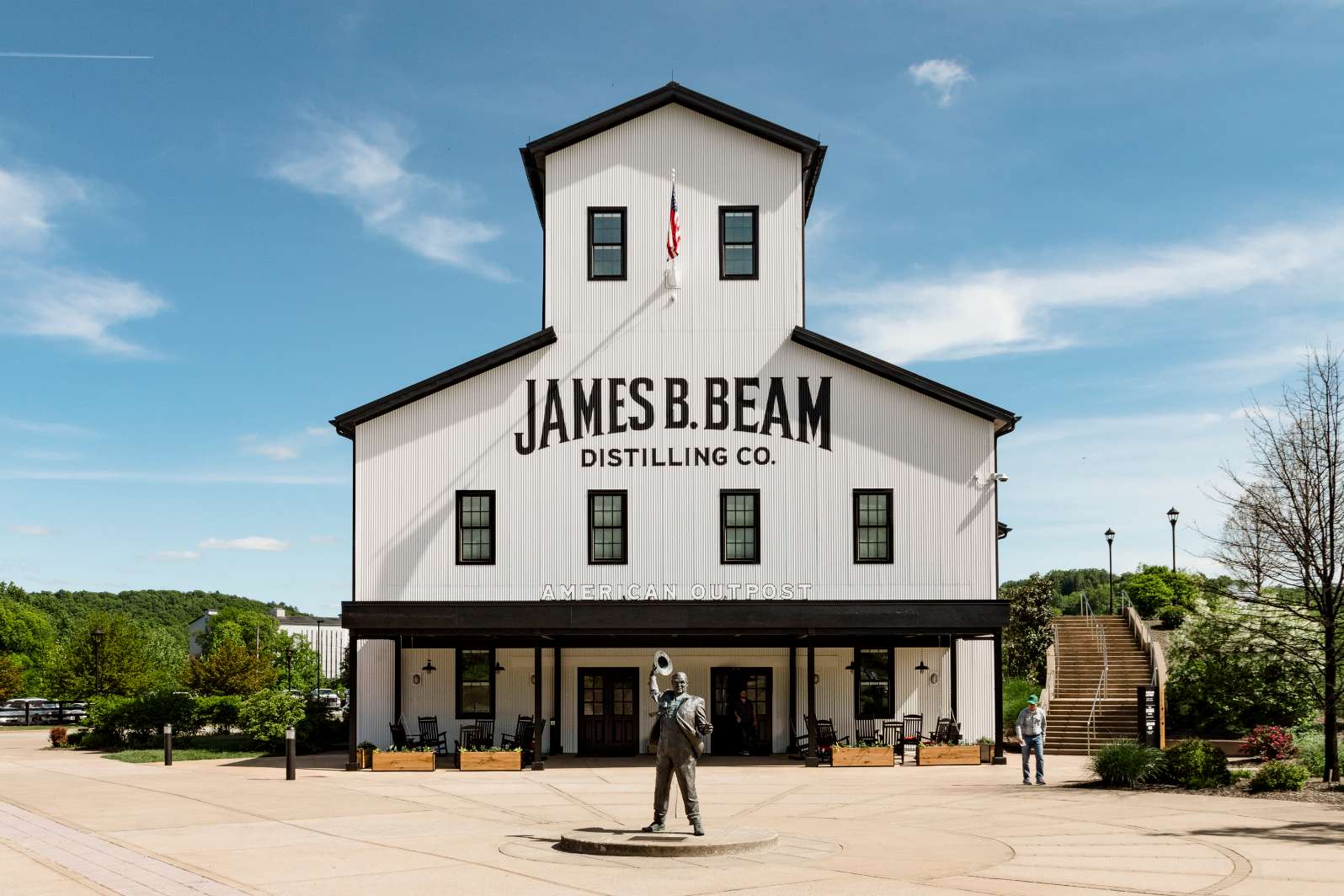
The American Outpost gift shop at the James B. Beam Distilling Co. keeps hard-to-find and distillery-exclusive bottles on the shelf and generally available until they are gone, with no lotteries or timed drops. Distillery-only expressions such as Lineage, the Distiller’s Share experimental series, and a throwback bottled-in-bond version of Basil Hayden are available to any guest who walks in. For a Kentucky Bourbon Trail itinerary, Maker’s Mark and Heaven Hill pair naturally with a Beam visit, with Beam sitting right off I-65 on the way between Louisville and Bardstown.
How To Drink A Barrel Proof Bourbon
Once you have chosen a bottle, the next step is serving it in a way that shows its best side. A barrel proof pour at 120 proof or above needs a different approach than a standard 90-proof bottle. The alcohol concentration is high enough that above roughly 55% ABV (110 proof), ethanol triggers the trigeminal nerve, the same pathway that registers chili heat, so the burn can compete with the flavor it carries. Give the whiskey time, and when needed, a few drops of water.
The sequence below walks through how to open a high-proof pour without stripping its flavor:
- Use a Glencairn or tulip-shaped glass. The narrowed rim concentrates volatiles and makes it easier to evaluate aroma at different dilution levels.
- Let the pour rest two to three minutes before nosing. Alcohol volatility changes with a short wait, and the whiskey opens up before the first smell.
- Nose with the mouth slightly open so alcohol vapor escapes rather than overwhelming the nostrils.
- Take a small first sip neat to taste the whiskey as bottled.
- Add water drop by drop. For expressions at 110–125 proof, 5–8 drops is a reasonable starting point. Taste after each addition and stop when the whiskey opens without thinning.
- Allow an open bottle several weeks of breathing time. The flavor bomb of a freshly opened barrel proof release often softens and integrates as oxygen works through the bottle.
Water does not simply weaken whiskey; it rearranges where flavor compounds sit, pushing certain aromatics to the surface where they can escape into the air and become perceptible. The right amount is personal and proof-dependent. There is no universal formula, and responsible enjoyment means sipping slowly and deliberately instead of treating proof as a measure of how quickly to finish a glass.
Please enjoy responsibly. All tastings at the James B. Beam Distilling Co. are 21+ with valid ID, consistent with Drink Smart®.
What Does Barrel Proof Bourbon Cost?
Price in the single barrel barrel proof category tracks loosely with age, proof, and availability, and scarcity can inflate cost well beyond what the liquid justifies. A bourbon nobody can buy rarely answers the question “what bourbon should I buy?”
Three broad price bands describe the accessible bottle market in 2026:
- Under $75 — This tier offers some of the strongest barrel proof value. Several well-regarded releases from major Kentucky distilleries land here, including expressions with age statements and proofs in the 118–126 range. Most everyday single barrel barrel proof buying happens in this band.
- $75–$125 — Age-stated single barrel releases from heritage distilleries, including Knob Creek 18-Year Single Barrel Reserve, sit in this range. Heaven Hill Bernheim Production Cut opened 2026 pre-allocation at $99.99 MSRP. The price premium reflects both age and the finite yield of a single barrel.
- $125 and above — Limited annual releases, long-aged expressions, and allocated bottles live here. Baker’s 13 Year Old Bourbon carries an MSRP of approximately $150 and represents the upper end of the Beam family’s single barrel program.
The Beam Made Bourbon Tour & Tasting is $30 plus tax and fees. It is a 75-minute, grain-to-glass experience that includes five bourbons tasted as you go, hands-on barrel filling and dumping, and the option to bottle your own Knob Creek on the T-Line for $59.99 (the same as the gift shop shelf price, with engraving available for $10). For a shopper considering an $80 bottle, spending $30 first to taste the distillery’s range in context, and to see what warehouse position, age, and entry proof actually do to a barrel, is efficient research.
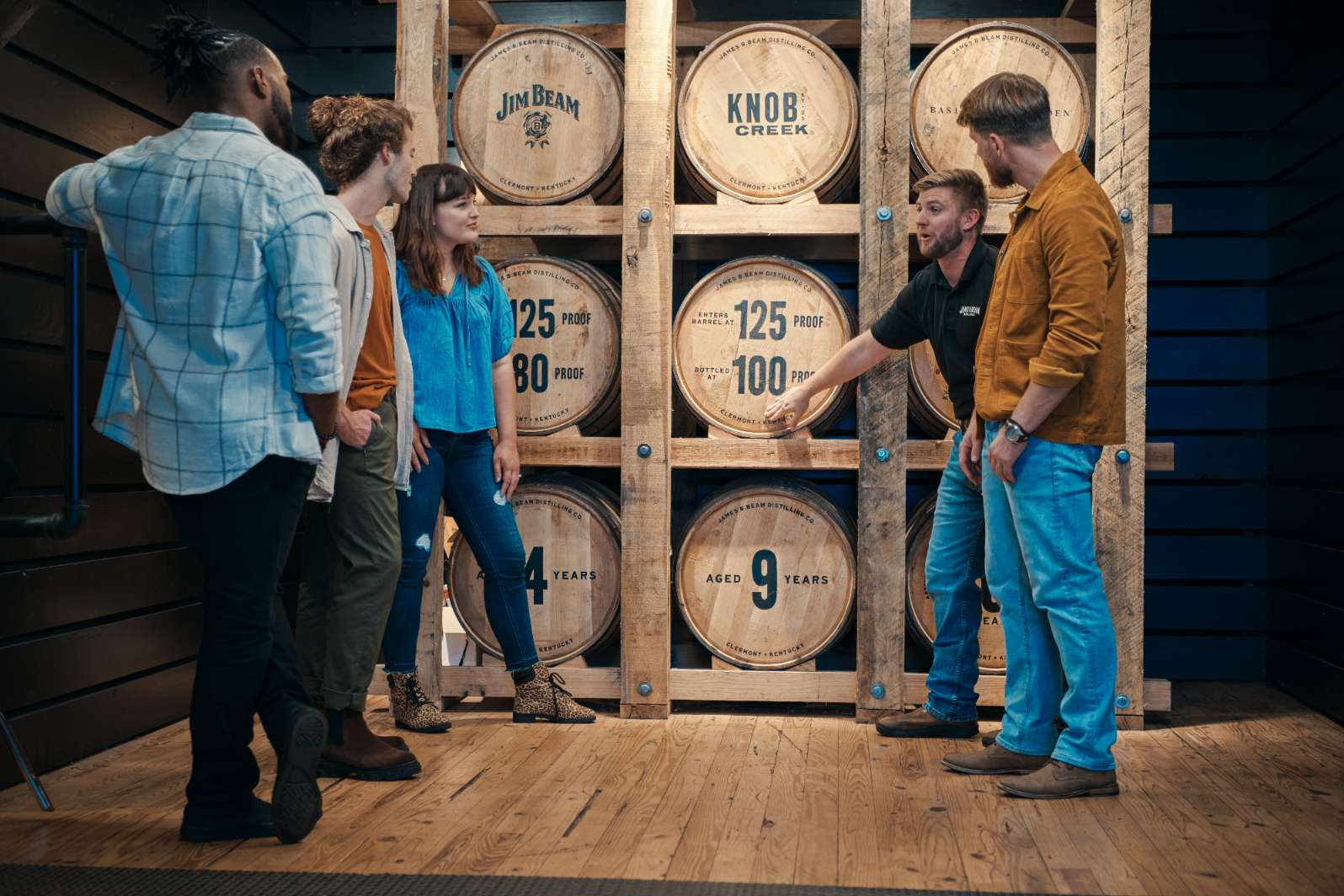
Taste the difference barrel proof makes on the Beam Made Bourbon Tour & Tasting.
Frequently Asked Questions (Quick Answers To Common Questions)
Is Single Barrel The Same As Barrel Proof?
No. Single barrel means the whiskey in the bottle came from one cask. Barrel proof means no water was added before bottling, so the whiskey is at or near the strength it left the barrel. A whiskey can be single barrel without being barrel proof if the distillery adds water to reach a target proof, and it can be barrel proof without being single barrel if multiple barrels are blended and bottled without dilution. Only when both terms apply does the buyer get whiskey from one cask at its natural strength.
Why Does The Same Label Taste Different Bottle To Bottle?
Single barrel releases are drawn from individual casks, so barrel-to-barrel differences in flavor, color, and proof are never blended out. The three drivers match the explanation above: warehouse position, age, and the wood itself. Upper floors tend to run warmer and bolder, while lower floors run cooler and softer. Two barrels from the same production run, filled the same day, can taste meaningfully different after several years in a rickhouse.
What Proof Should I Look For?
As noted in the buying framework above, most barrel proof bourbon falls between 120 and 135 proof, and 120 proof is a reasonable starting point for newcomers. Proof indicates concentration, not quality. Above roughly 130 proof, many drinkers find that a few drops of water help keep alcohol from overwhelming the palate.
What Is A Store Pick?
A store pick, also called a retailer select or private barrel selection, is a single barrel chosen by a retailer, bar, or other buyer from a range of barrels the distillery makes available. The selecting party tastes multiple barrels and chooses one based on flavor, proof, or age characteristics that fit their customers. Store picks of the same label can vary meaningfully from the standard distillery release and from each other. Distillery picks, by contrast, are selected by the producer’s own team and typically reflect house style.
How Should I Drink A Barrel Proof Pour?
Use a Glencairn or tulip-shaped glass, let the pour rest a few minutes, nose with your mouth slightly open, and start with a small sip neat. Then add water drop by drop, tasting as you go, until the whiskey opens up without feeling thin. There is no prize for drinking barrel proof bourbon neat. The right amount of water is whatever makes the whiskey most enjoyable. An open bottle also benefits from breathing time over several weeks as oxygen integrates the spirit. Please enjoy responsibly.
What Should I Expect To Pay?
The three price bands above still describe the 2026 market: under $75, $75–$125, and $125 and above. Price tracks loosely with age, proof, and availability, and scarcity can push allocated bottles well past what the liquid alone might justify. The Beam Made Bourbon Tour & Tasting at $30 plus tax and fees offers a focused way to taste the Beam family’s range in context before committing to a bottle purchase.
Where Can I Taste And Buy These Bottles?
The James B. Beam Distilling Co. in Clermont, Kentucky, about 30 minutes south of Louisville right off I-65, is the home of the entire Small Batch Collection, including Knob Creek, Basil Hayden, Booker’s, and Baker’s. The American Outpost gift shop keeps hard-to-find and distillery-exclusive bottles on the shelf and generally available until they are gone, with no lotteries or timed drops. A three-tier Tasting Bar offers pours from across the full range, including archived products. Master distillers Fred Noe (7th generation) and Freddie Noe (8th generation) are on site nearly every day. The distillery holds a 4.7-star rating from more than 1,400 Google reviews.
The Definitive Source For Single Barrel Barrel Proof Bourbon
Single barrel describes the source: one cask. Barrel proof describes the bottling: no added water. Understanding that distinction, and the way warehouse position, age, and entry proof shape each barrel, helps explain why two bottles with the same label can taste so different. A simple framework of proof, age statement, and pick type gives any shopper the tools to choose with confidence instead of guessing at the shelf.
The best place to see all of this in action is at the source. The James B. Beam Distilling Co. is where Knob Creek, Booker’s, Baker’s, and the rest of the Small Batch Collection are made and aged. The Beam Made Bourbon Tour & Tasting covers this journey in 75 minutes, from grain to glass, with the option to bottle your own Knob Creek on the T-Line. The Maturation Matters warehouse experience takes guests inside one of Clermont’s oldest rackhouses to thief whiskey straight from the barrel at cask strength, making the impact of warehouse position and aging time tangible. The American Outpost gift shop stocks hard-to-find and distillery-exclusive bottles without lottery games, and 7th-generation master distiller Fred Noe and 8th-generation master distiller Freddie Noe are on site nearly every day. The distillery holds a 4.7-star rating from more than 1,400 Google reviews.
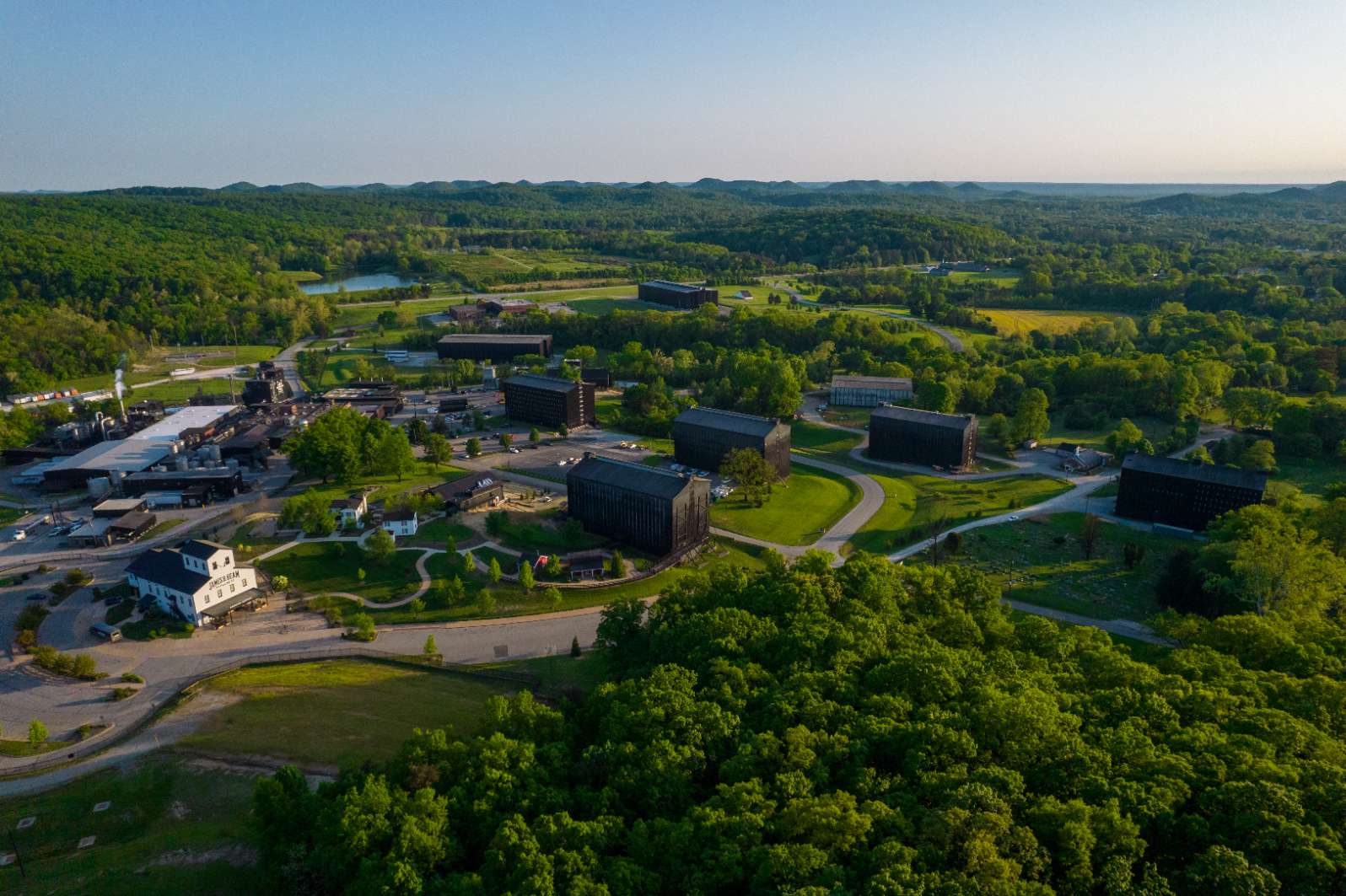
Plan your visit to the home of the world’s #1 bourbon and book the Beam Made Bourbon Tour & Tasting.
Please enjoy responsibly. All tastings are 21+ with valid ID, consistent with Drink Smart®.
This article is promotional content of James B. Beam Distilling Co. Please practice responsible drinking.