Written by: Tyler Himes, Senior Brand Manager – James B. Beam Distilling Co.
Key Takeaways
- Proof level is the primary driver of smoothness, and 80–90 proof bourbons usually deliver less alcohol burn than higher-proof options.
- Mash bill composition shapes flavor: wheated bourbons feel softer and less spicy, while high-rye expressions bring more pepper and structure.
- Age in new charred oak barrels rounds off harsh edges and builds the vanilla and caramel notes that define bourbon.
- Basil Hayden at 80 proof and Jim Beam Black at 90 proof stand out as two of the smoothest, most approachable bourbons widely available today.
- James B. Beam Distilling Co. produces both Basil Hayden and Jim Beam Black, so it is an ideal place to experience these smooth pours firsthand.
Book your tour at James B. Beam Distilling Co.
The Problem: Why Most Bourbon Burns And What “Smooth” Really Means
Most bourbon feels hot because alcohol strength, grain recipe, and barrel time all push flavor and heat in different directions. “Smooth” bourbon keeps that heat in check while still tasting like bourbon.
Proof. Proof is the most direct lever. Lower bottling strengths, especially roughly 80–90 proof, usually present less alcohol heat and can feel easier for beginners, while higher-proof bourbon delivers more intensity. A well-balanced high-proof bourbon can drink softer than a poorly made lower-proof one.
Mash Bill. Every bourbon must be made from a grain mixture containing at least 51% corn, with the rest of the legal standards covered below. The secondary grain, rye or wheat, shapes the style. High-rye bourbon pushes up the rye content to deliver spice, pepper, and a bite on the finish, while wheated bourbon trades rye for wheat, which mellows the whiskey into an easy, softer sweetness with less spice and a smoother finish. Wheat meaningfully shapes the direction of the pour, though it does not override every other variable.
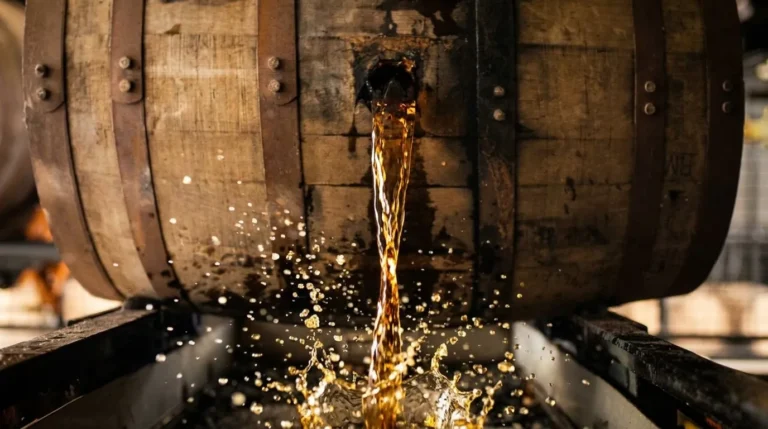
Age. Time in a new charred oak barrel rounds off harsh edges and builds the vanilla and caramel character bourbon is known for. As bourbon ages, the barrel has more time to influence the whiskey, bringing deeper, richer flavors such as caramel, vanilla, leather, and toasted oak, but bourbon can become over-oaked if it spends too long in the barrel, especially in Kentucky where dramatic seasonal temperature swings push whiskey in and out of the wood.
Charcoal Mellowing. Some distilleries filter new spirit through sugar-maple charcoal before barreling. The Lincoln County Process, charcoal filtering before barreling, disqualifies the spirit from being labeled bourbon unless the filtering step is omitted, which is why George Dickel and Jack Daniel’s are Tennessee whiskies rather than bourbons.
The legal standard ties these factors together. Bourbon whisky is defined as whisky produced in the U.S. at not exceeding 160 proof from a fermented mash of not less than 51 percent corn, stored at not more than 125 proof in charred new oak containers, and bottled at not less than 80 proof. Straight bourbon must additionally age at least two years with no added coloring or flavoring.
The Solution: Four Smooth Bourbons Worth Reaching For
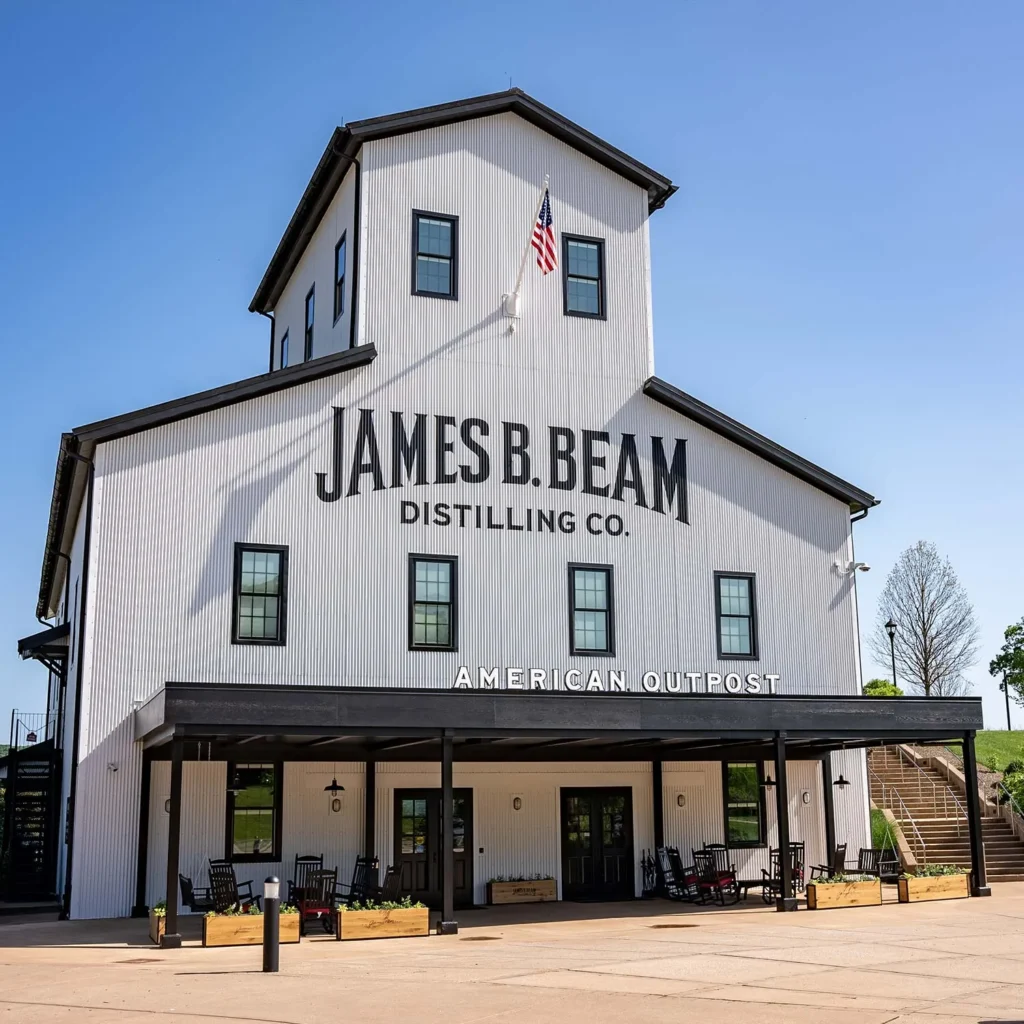
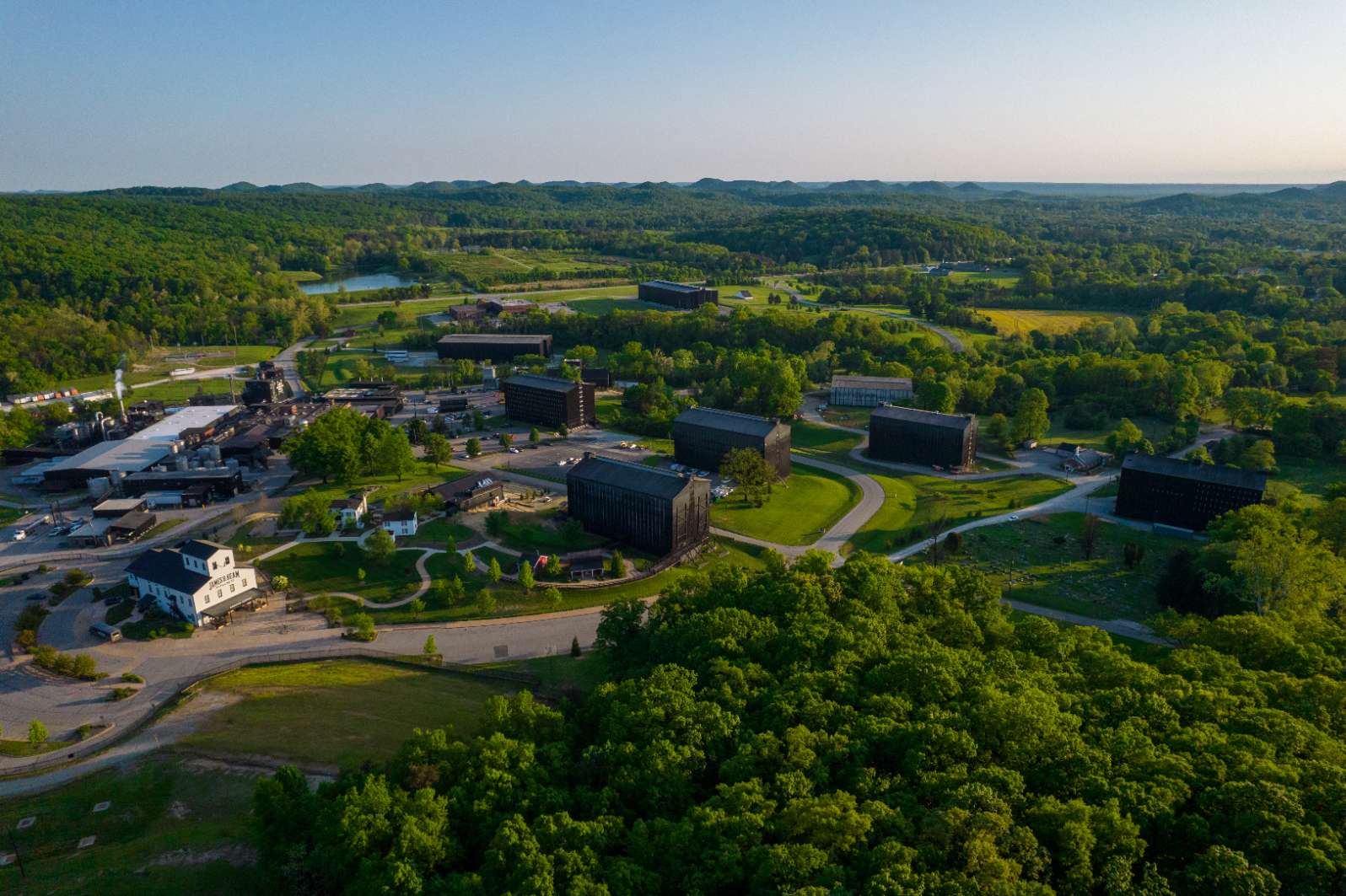
The James B. Beam Distilling Co. in Clermont, Kentucky, home of the world’s #1 bourbon, Jim Beam, and the entire Small Batch Collection, produces two bourbons that belong at the top of any smoothness conversation. The table below compares four widely available smooth sippers by proof, mash-bill style, and distillery so you can see how proof and grain choice line up side by side.
| Bourbon | Proof | Mash-Bill Style | Made At |
|---|---|---|---|
| Basil Hayden | 80 | High-rye, gently proofed | James B. Beam Distilling Co., Clermont, KY |
| Jim Beam Black | 90 | Traditional corn-forward | James B. Beam Distilling Co., Clermont, KY |
| Maker’s Mark | 90 | Wheated (soft red winter wheat) | Maker’s Mark Distillery, Loretto, KY |
| Woodford Reserve | 86.4 | Traditional with rye | Woodford Reserve Distillery, Versailles, KY |
Basil Hayden is the clearest answer to the question of the smoothest bourbon whiskey to drink. Bottled at 80 proof, the gentlest end of the legal spectrum, it is part of the Small Batch Collection. The distillery, James B. Beam Distilling Co. in Clermont, Kentucky, has been family-run for eight generations, since Jacob Beam sold his first barrel in 1795. Basil Hayden’s ultra-low entry proof and light filtration yield a delicate mint and white pepper profile that serves a distinct niche for drinkers seeking a gentler, more approachable pour. For a deeper look at why it works so well for new sippers, see Is Basil Hayden A Good Beginner Bourbon? An Honest Answer.
Jim Beam Black is a classic, easy-drinking everyday pour from the same distillery. As of its 2024 relaunch, Jim Beam Black is bottled at 90 proof (45% ABV), having previously been bottled at 86 proof. It uses the same traditional corn-forward mash bill as standard Jim Beam (77% corn, 13% rye, 10% malted barley), and its extra seven years of aging deliver the familiar caramel and vanilla character bourbon is known for. The result feels approachable enough for a first pour and satisfying enough for a seasoned sipper.
Maker’s Mark is a natural companion on any Kentucky Bourbon Trail day. Its published mash bill is 70% corn, 16% soft red winter wheat, and 14% malted barley. Its wheated mash bill creates a softer, sweet profile with less aggressive spice. Notes of caramel, vanilla, cocoa, and gentle baking spice make it approachable neat, on the rocks, or in a cocktail.
Woodford Reserve, made in Versailles, Kentucky, is another well-regarded stop on the same trail. It is bottled at 86.4 proof with a mash bill of 72% corn, 18% rye, and 10% malted barley, and a minimum aging period of six years. Bartenders frequently recommend it as an introduction to the category. For a broader look at approachable options, see Best Bourbon For Beginners: Smooth Picks To Start With.
The Best Wheated Bourbons Of 2026: An Expert Buyer’s Guide covers the wheated segment in full if that softer grain profile is what you are after.
The Fix: Simple Ways To Make Any Bourbon Smoother
How you serve bourbon can soften the experience as much as the bottle you choose. Three simple techniques make a real difference.
- A Few Drops Of Water. Adding a few drops of room-temperature water to bourbon can unlock aromas and soften alcohol heat without ruining the pour, and the technique is used by master distillers and blenders worldwide. Because a little goes a long way, add one drop at a time, swirl gently, and nose before sipping. For an 80–95 proof bourbon, one or two drops is usually enough. A 2017 study by Björn C. G. Karlsson and Ran Friedman at Linnaeus University found that at lower ethanol concentrations, guaiacol, a key aromatic compound, is more likely to sit at the surface of the liquid, where it contributes to scent and taste.
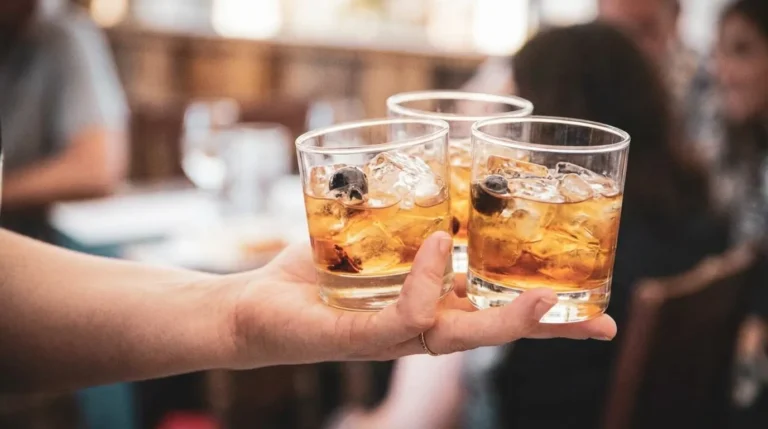
- One Large Ice Cube. A large cube or sphere melts more slowly than small cubes, delivering controlled dilution and a gentler chill without turning the last sip watery. Chilling reduces the perception of alcohol heat, though it also mutes some aromatic volatility. That trade-off suits anyone who finds the burn distracting.
- Let It Rest. Letting a poured whiskey rest for five to ten minutes allows it to oxidize slightly and release volatile compounds, a process during which harshness often mellows into smoothness. Pour it, walk away for a few minutes, then come back.
How To Drink Bourbon For A Smooth Experience
The smoothest experience comes from matching the serving style to what you want from the glass. Neat at room temperature, with nothing added, gives the clearest read on a bourbon’s character and helps you understand what you are tasting. On the rocks delivers a cooler, softer sip as the ice slowly dilutes the pour. For a tasting-focused pour, experts favor room-temperature bourbon first, followed by a few drops of water; for a casual, refreshing drink, one large ice cube is a practical choice.
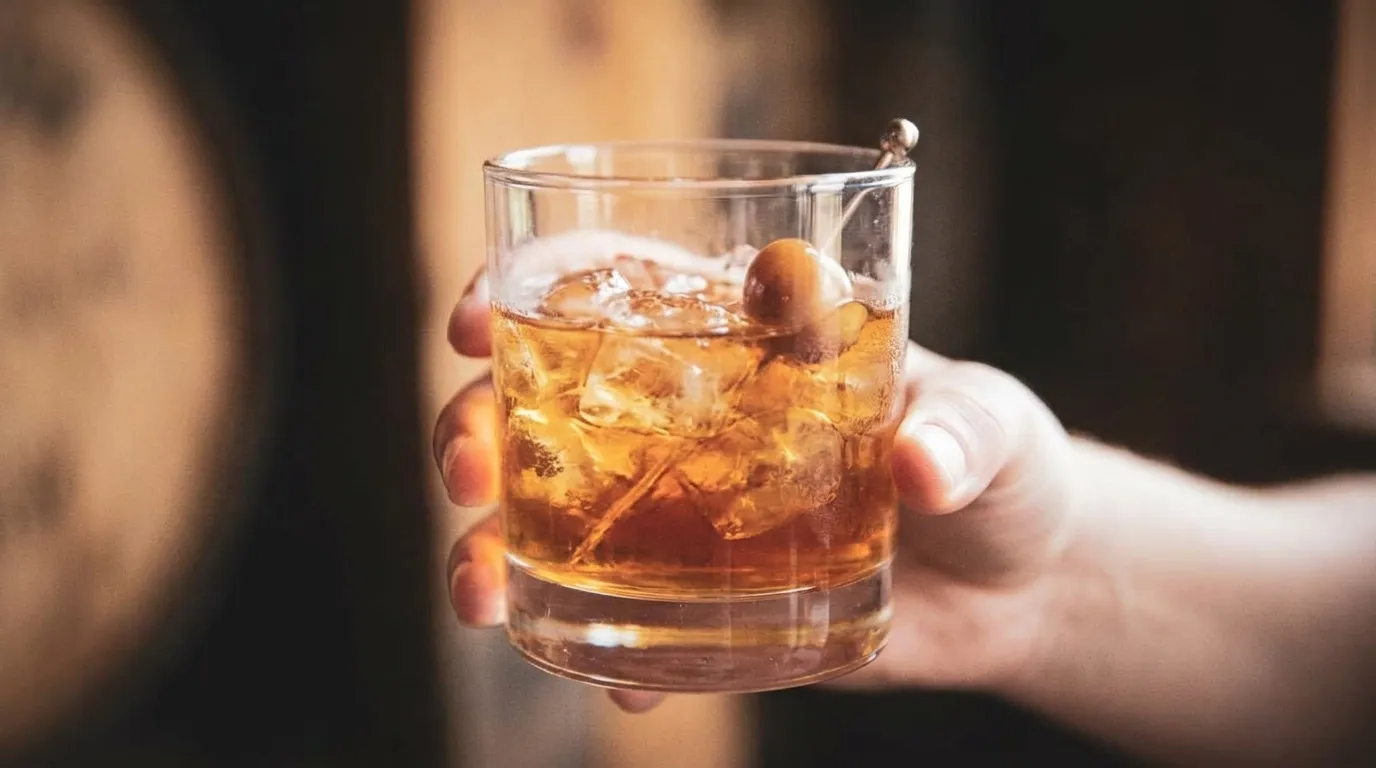
Anyone who still finds bourbon too assertive can start with a cocktail. An Old Fashioned, typically bourbon or rye whiskey, sugar (often a sugar cube), and a dash of bitters, softens the edges while keeping the spirit front and center. A whiskey highball with soda water or ginger ale is even more approachable and is one of the most popular ways bourbon is enjoyed around the world. Both are genuine ways to drink bourbon well.
What’s The Difference Between Bourbon And Whiskey?
Whiskey is the broad category. It is an alcoholic distillate from a fermented mash of any grain, distilled at less than 190 proof, stored in oak barrels, and bottled at not less than 80 proof. Bourbon is a specific American whiskey that must meet stricter standards, including at least 51% corn, new charred oak, distillation at no more than 160 proof, barreling at no more than 125 proof, bottling at no less than 80 proof, and nothing added but water. The word “bourbon” may not be used to describe any whisky not distilled and aged in the United States. All bourbon is whiskey, while not all whiskey qualifies as bourbon.
Taste The Answer Where It’s Made
Reading about smoothness sets the stage, but tasting side by side at the distillery makes the differences real. The James B. Beam Distilling Co. in Clermont, Kentucky, The Home of the World’s #1 Bourbon: Jim Beam, is where Basil Hayden and Jim Beam Black are actually made, and where the difference between an 80-proof pour and a barrel-strength expression becomes immediately, physically clear.
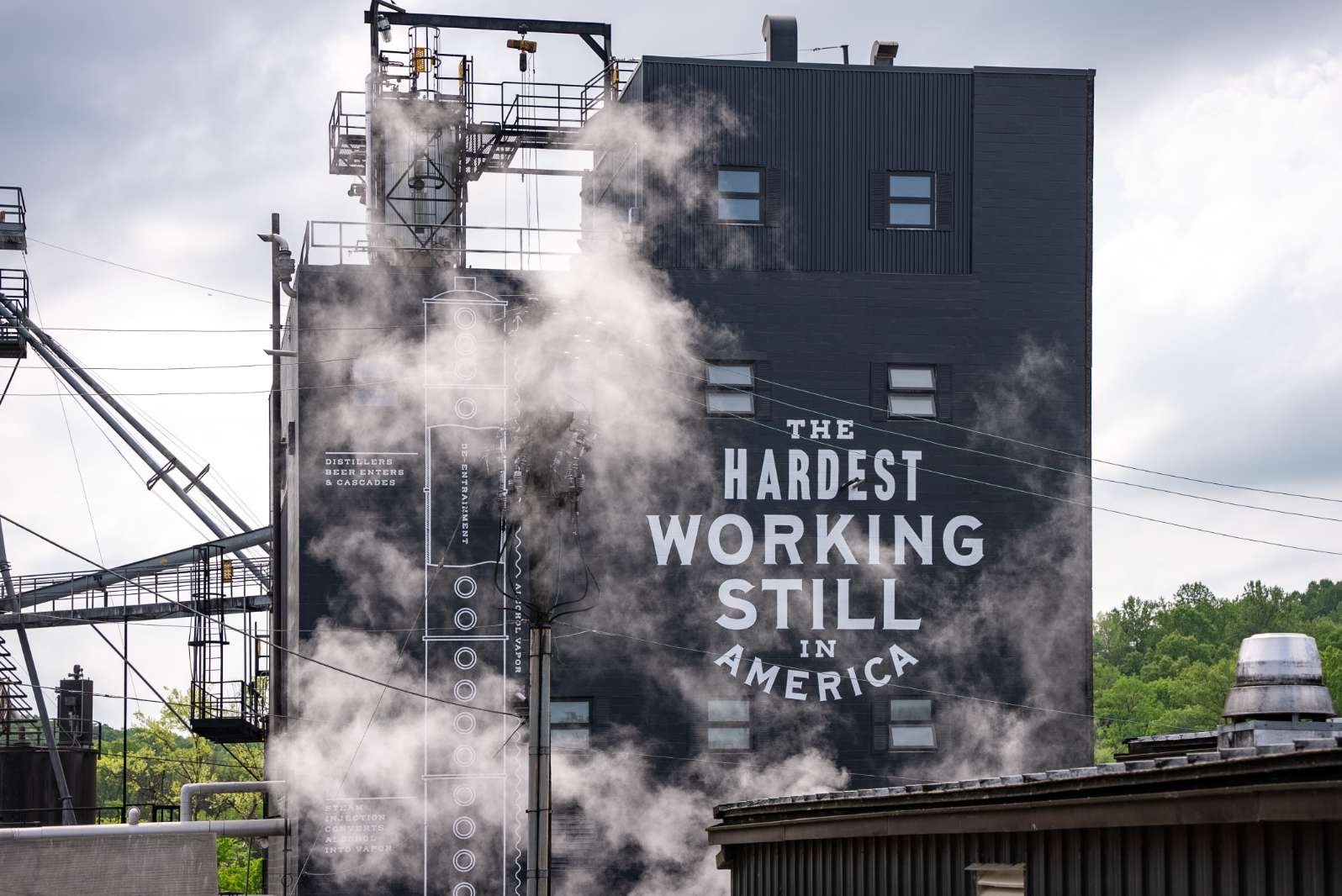
The flagship Beam Made Bourbon Tour & Tasting is a 75-minute grain-to-glass experience that connects each step of production to what you taste in the glass. Guests sample five bourbons at the moments that explain them, including Basil Hayden while you fill a barrel and Knob Creek at the barrel dump. Along the way, you can bottle your own Knob Creek on the T-Line and press a thumbprint into the wax seal. The distillery sits right off I-65 between Louisville and Bardstown, so it fits naturally into a Kentucky Bourbon Trail itinerary. After the tour, The Kitchen Table restaurant turns the visit into a full day out, and the experience has earned a 4.7-star rating across more than 1,400 guest reviews.
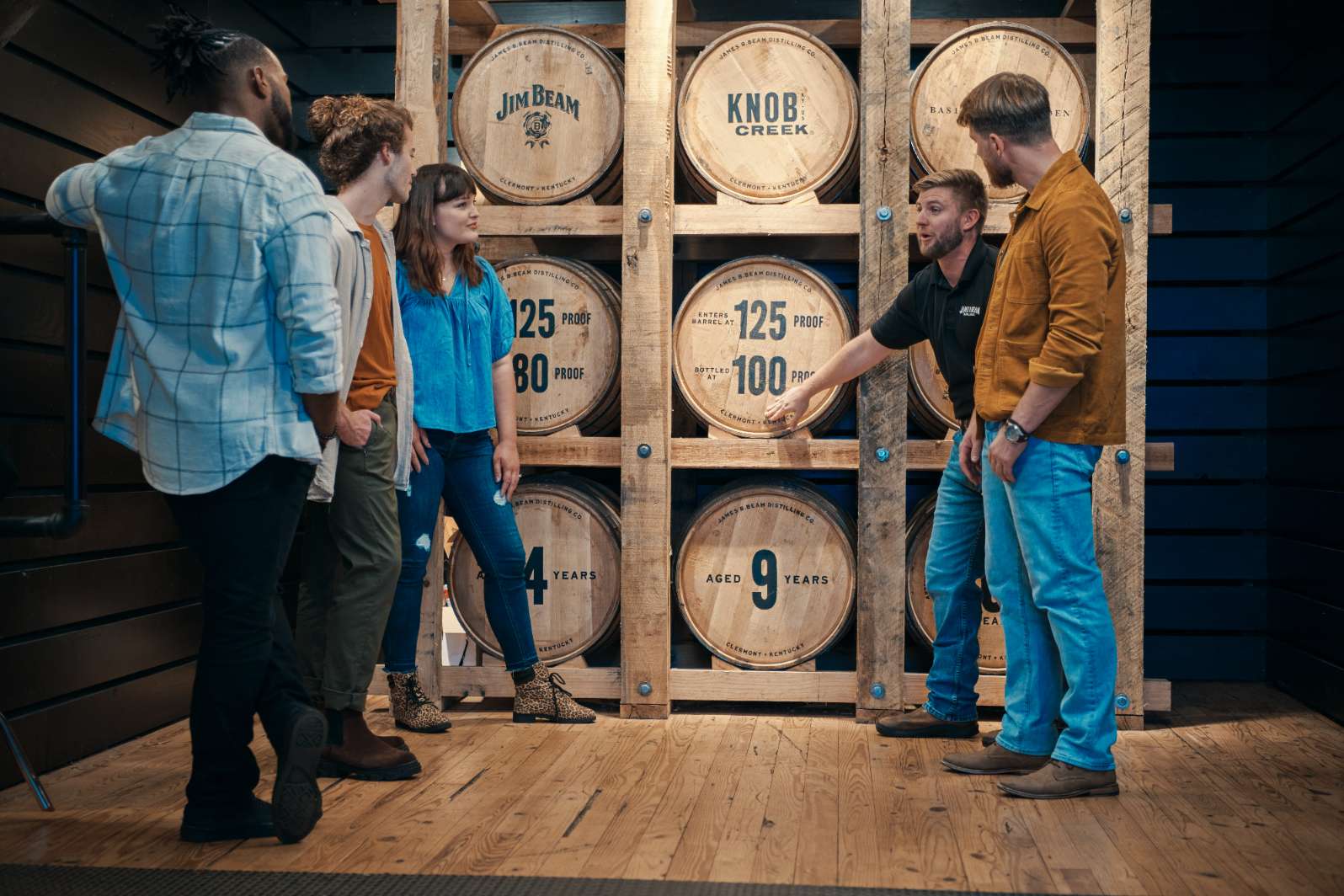
Reserve your spot on the Beam Made Bourbon Tour & Tasting at The Home of the World’s #1 Bourbon.
Please enjoy responsibly. Must be 21+ with valid ID to participate in tastings. For more information on responsible drinking, visit responsibility.org.
Frequently Asked Questions
What Makes A Bourbon “Smooth” — Is It Just Marketing?
“Smooth” is not a formal technical category, yet it describes a real sensory experience: low alcohol burn on the palate and throat. The factors that produce it are measurable. Proof is the most direct influence, and as noted earlier, the 80–90 proof range is the sweet spot for less ethanol heat. Mash bill matters too, because wheat as the secondary grain, instead of rye, tends to produce a softer, rounder profile with less pepper and spice. Age rounds off harsh edges by allowing the spirit to interact with new charred oak over time, building vanilla and caramel character while mellowing sharper congeners. A smoothness claim backed by proof, mash bill, and age is real, while one without that support is marketing.
Is Basil Hayden Really The Smoothest Bourbon For Beginners?
Basil Hayden is one of the most consistently recommended starting points for new bourbon drinkers, frequently appearing alongside other beginner-friendly bottles like Woodford Reserve, Maker’s Mark, and Buffalo Trace, though some experienced drinkers find its low 80-proof too thin or poor value. As mentioned, Basil Hayden is bottled at the legal minimum of 80 proof and made at the same Clermont distillery. Its flavor profile is delicate rather than assertive, light and approachable, with a gentle finish that does not punish a palate that is new to whiskey. “Smoothest” always depends on the individual drinker, so someone who finds even 80-proof bourbon too assertive may prefer to start with Basil Hayden in a whiskey highball with soda water before moving to sipping it neat. Someone already comfortable with spirits may find Jim Beam Black at 90 proof equally approachable and more satisfying. Tasting both side by side, as on the Beam Made Bourbon Tour & Tasting, gives the clearest comparison.
Should You Add Water Or Ice To Bourbon?
Both approaches work, and the right choice depends on what you want from the pour. A few drops of room-temperature water, added one drop at a time, can reduce alcohol burn and open up aromatic compounds that ethanol molecules tend to suppress. Research has shown that as ethanol concentration drops, certain flavor-active compounds migrate to the surface of the liquid where they are more available to the nose. This makes water particularly useful for higher-proof expressions above 100 proof, though even an 80-proof bourbon can benefit from a drop or two. Ice works differently, because it chills the liquid, which reduces the perception of alcohol heat, but it also suppresses aromatic volatility, so the bourbon may smell less expressive even as it feels softer on the palate. A single large ice cube is preferable to several small ones because it melts more slowly and gives you more control over dilution. For a serious tasting, start neat, add water if needed, and reserve ice for when refreshment is the goal rather than maximum flavor detail. Letting the pour rest for a few minutes in the glass before sipping is a simple third option that costs nothing and often makes a noticeable difference.
What Is The Difference Between Wheated Bourbon And High-Rye Bourbon?
Every bourbon must contain at least 51% corn, and the secondary grain, the next largest ingredient after corn, is what separates wheated bourbon from high-rye bourbon. In a wheated bourbon, wheat replaces rye as that secondary grain. Wheat contributes a softer, rounder character with less pepper and spice, and the finish tends to fade gently rather than leaving a firm, dry snap. In a high-rye bourbon, rye is present in a notably higher proportion than a conventional mash bill, delivering spice, pepper, and structure. Maker’s Mark is one of the clearest examples of a wheated bourbon, using soft red winter wheat in its recipe. Basil Hayden, made at the James B. Beam Distilling Co., uses a high-rye mash bill but is bottled at 80 proof, which shows how proof can do much of the smoothing work that wheat does in other expressions. Neither style is objectively better, because they serve different palates. Beginners who find rye spice distracting often gravitate toward wheated bourbons first, while those who enjoy a little structure tend to prefer high-rye recipes.
Do I Need A Reservation For The Beam Made Bourbon Tour & Tasting?
Advance booking is strongly recommended. The flagship Beam Made Bourbon Tour & Tasting runs approximately 75 minutes, accommodates up to 24 guests per tour, and is priced at $30 plus tax and fees. Popular times, including weekends, SEC football season in September and October, Derby season, and holidays, often sell out. Tours depart promptly, and guests cannot join a tour already in progress, so arriving at least 30 minutes early is advised. Active military visit free with valid ID, and veterans receive a discount. Guests are welcome to visit the grounds, The Kitchen Table restaurant, and the American Outpost gift shop without a reservation, but the guided tour and tasting experiences require booking in advance. All tastings are 21+ with valid ID, consistent with Drink Smart® responsible-drinking standards.
This article is promotional content of James B. Beam Distilling Co. Please practice responsible drinking.