Written by: Tyler Himes, Senior Brand Manager – James B. Beam Distilling Co.
Key Takeaways
- The eight best historic Southern destinations for a long weekend include the Kentucky Bourbon Trail and James B. Beam Distilling Co., Charleston, Savannah, St. Augustine, New Orleans, Natchez, Williamsburg, and Beaufort.
- This guide ranks eight historic Southern destinations by the trip you are actually taking, such as romantic, family, foodie, quiet, or first-timer, so you can book with confidence and stop second-guessing the itinerary.
- The Kentucky Bourbon Trail and the James B. Beam Distilling Co. belong on the list of most historic places in the South as a working American story that stretches back to 1795.
- The Beam Made Bourbon Tour & Tasting delivers living history with hands-on experiences including filling a barrel, dumping a barrel, and tasting five bourbons in context.
- James B. Beam Distilling Co. carries a multigenerational bourbon legacy that continues today at a modern working distillery you can visit, tour, and taste.
Book your Beam experience today
Most Historic Cities In The South For A Long Weekend
The most historic cities in the South include Charleston, Savannah, St. Augustine, New Orleans, Natchez, and Williamsburg. Each one is defined by a founding date, a war, or a cultural movement that shaped the country. The Kentucky Bourbon Trail and the James B. Beam Distilling Co. belong on that list too as a working American story that still unfolds every day. The James B. Beam Distilling Co. traces its whiskey-making roots to 1795, while the Kentucky Bourbon Trail launched in the late 1990s. The eight destinations below are ranked by the trip you are actually planning, not by a generic “best of” tag.
How This Guide Helps You Choose Your Trip Style
Every destination below carries a “Best For” label tied to a real trip style such as first-timer, romantic, foodie, family, or quiet. That filter replaces the generic ranking most guides use and gives you a decision framework you can act on. If you only have three days and have never done a Southern history trip before, start with the Kentucky Bourbon Trail and James B. Beam Distilling Co. It delivers living history, hands-on experience, and a full day out in one location, right off I-65 between Louisville and Bardstown, about 30 minutes south of Louisville. Add Charleston or Savannah as a second stop if time allows.
The 8 Best Southern Vacation Spots With History, Ranked
1. The Kentucky Bourbon Trail And The James B. Beam Distilling Co., Clermont, Kentucky
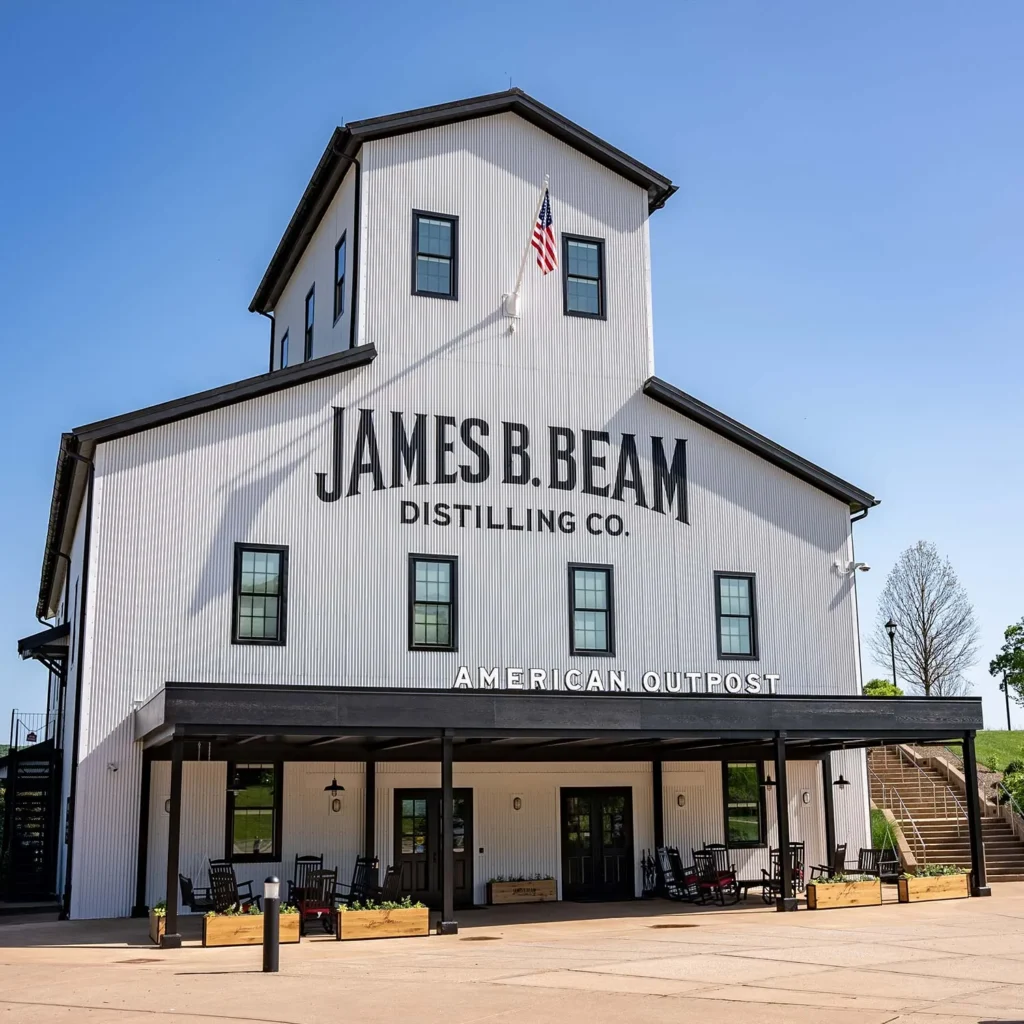
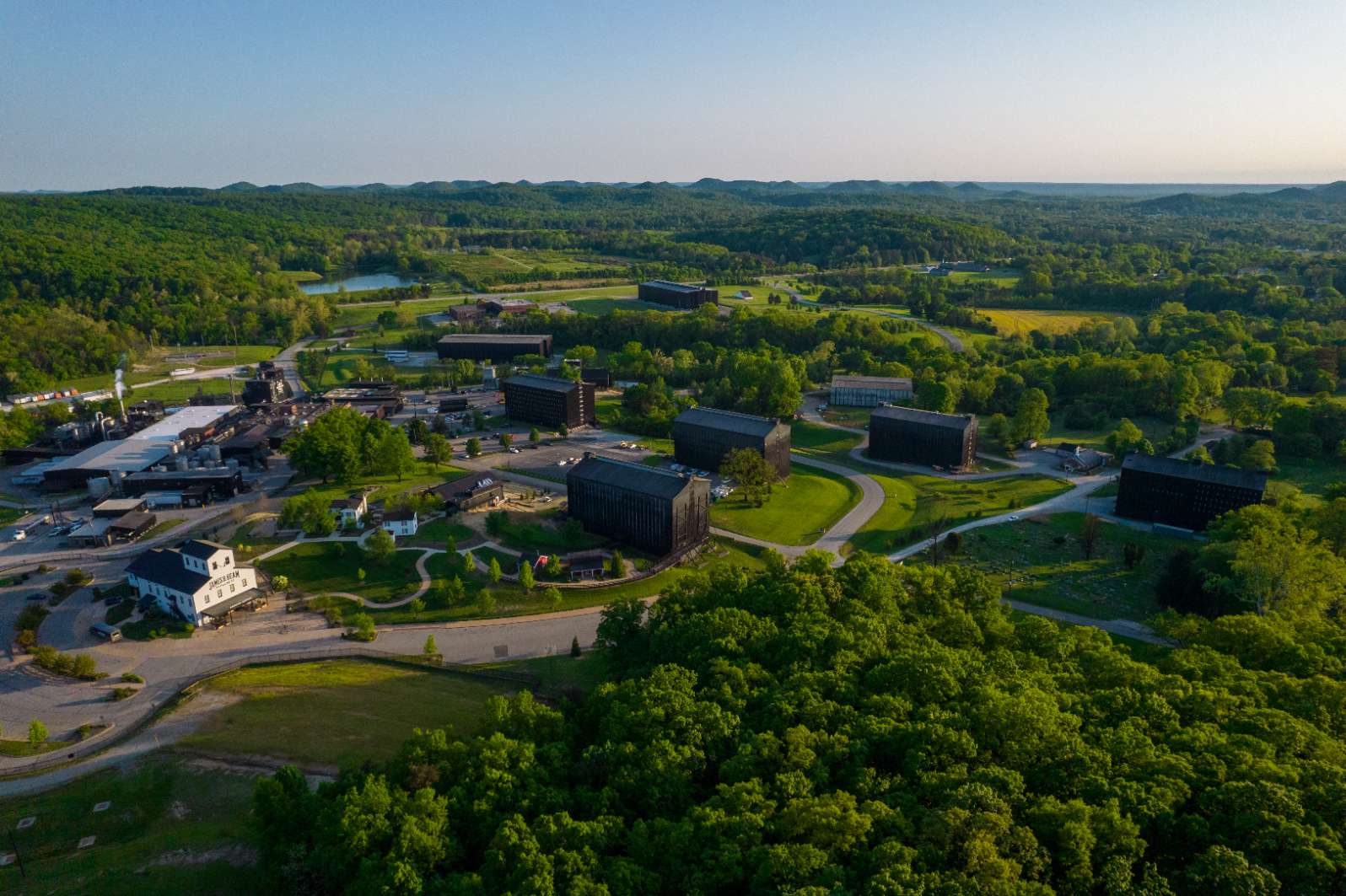
This destination rarely appears in rankings for historic Southern travel, so finding it here gives you something genuinely different. The James B. Beam Distilling Co. represents a continuous bourbon-making legacy that reaches back to the late 18th century, which is why many consider it the First Family of Bourbon. The distillery operates as a living American craft. Roughly 3.1 million barrels age across about 100 warehouses, and the 65-foot “Hardest Working Still in America” stands at the center of the campus.
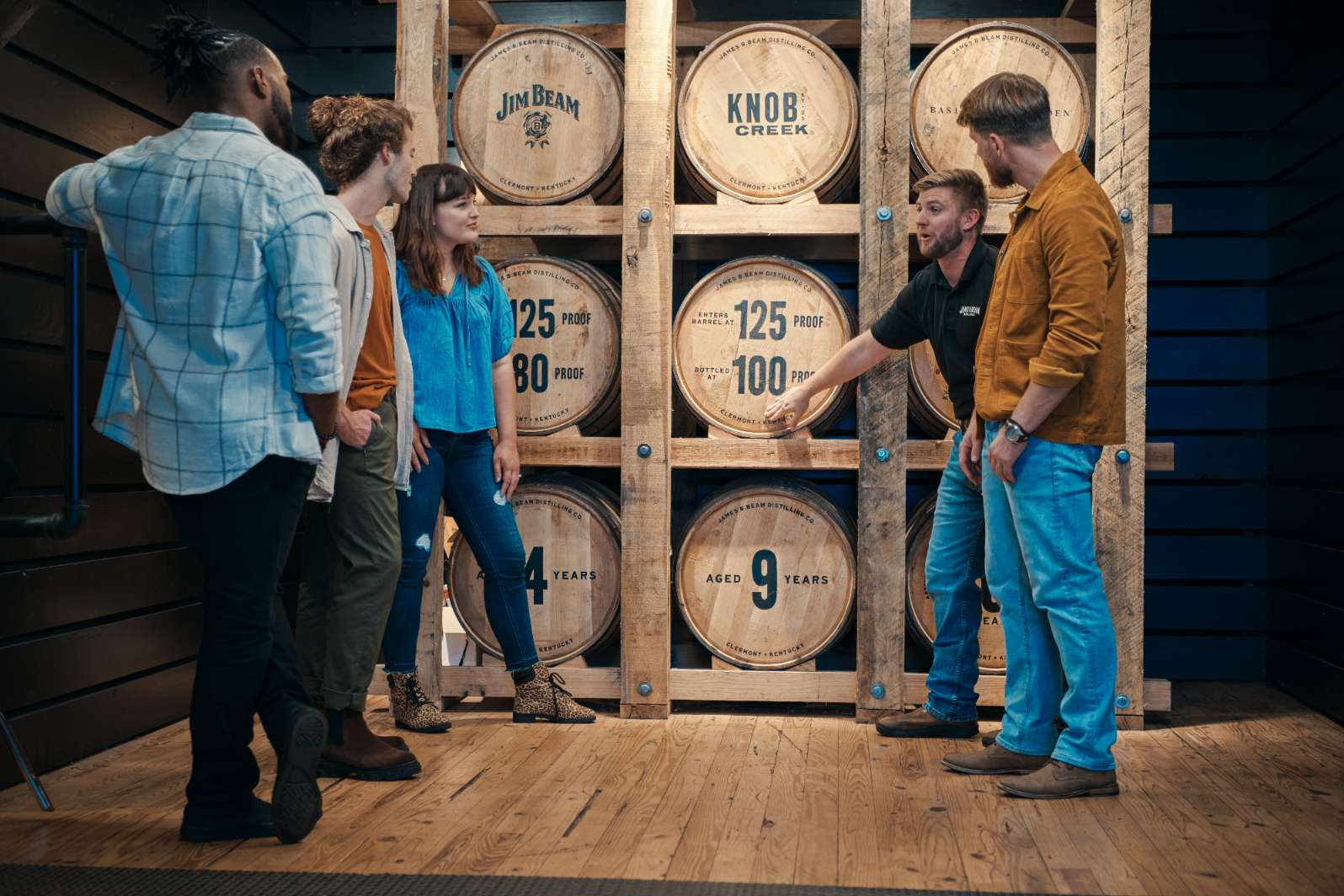
The flagship experience is the Beam Made Bourbon Tour & Tasting: 75 minutes, $30 plus tax and fees, up to 24 guests, grain to glass. Guests fill a real barrel, dump a real barrel, and taste five bourbons as they go. The lineup includes Jim Beam White at Jim Beam’s original Cadillac, Jim Beam Black, Basil Hayden while filling a barrel, Knob Creek at the barrel dump, and a rotating “surprise and delight.” That Cadillac carries its own story. Jim Beam used it to transport the distillery’s wild yeast strain, captured at his Bardstown home in the early 1930s, back and forth every day to keep it safe, and that same signature strain still runs through nearly every Beam bourbon today.
On the T-Line, guests can bottle their own Knob Creek and press a thumbprint into the wax seal ($59.99, engraving $10). The Kitchen Table restaurant turns the visit into a full day out with a sit-down meal. The American Outpost gift shop keeps hard-to-find and distillery-exclusive bottles on the shelf, so visitors can browse without lotteries or timed drops. The distillery holds a 4.7-star rating from more than 1,400 Google reviews. Master distillers Fred Noe and Freddie Noe are on site nearly every day.

“Bourbon and Kentucky have always been one and the same.” That quote from Fred Noe captures why a working distillery belongs on a Southern history itinerary. Standing inside an active operation where that connection has held for more than two centuries feels very different from viewing a preserved house.
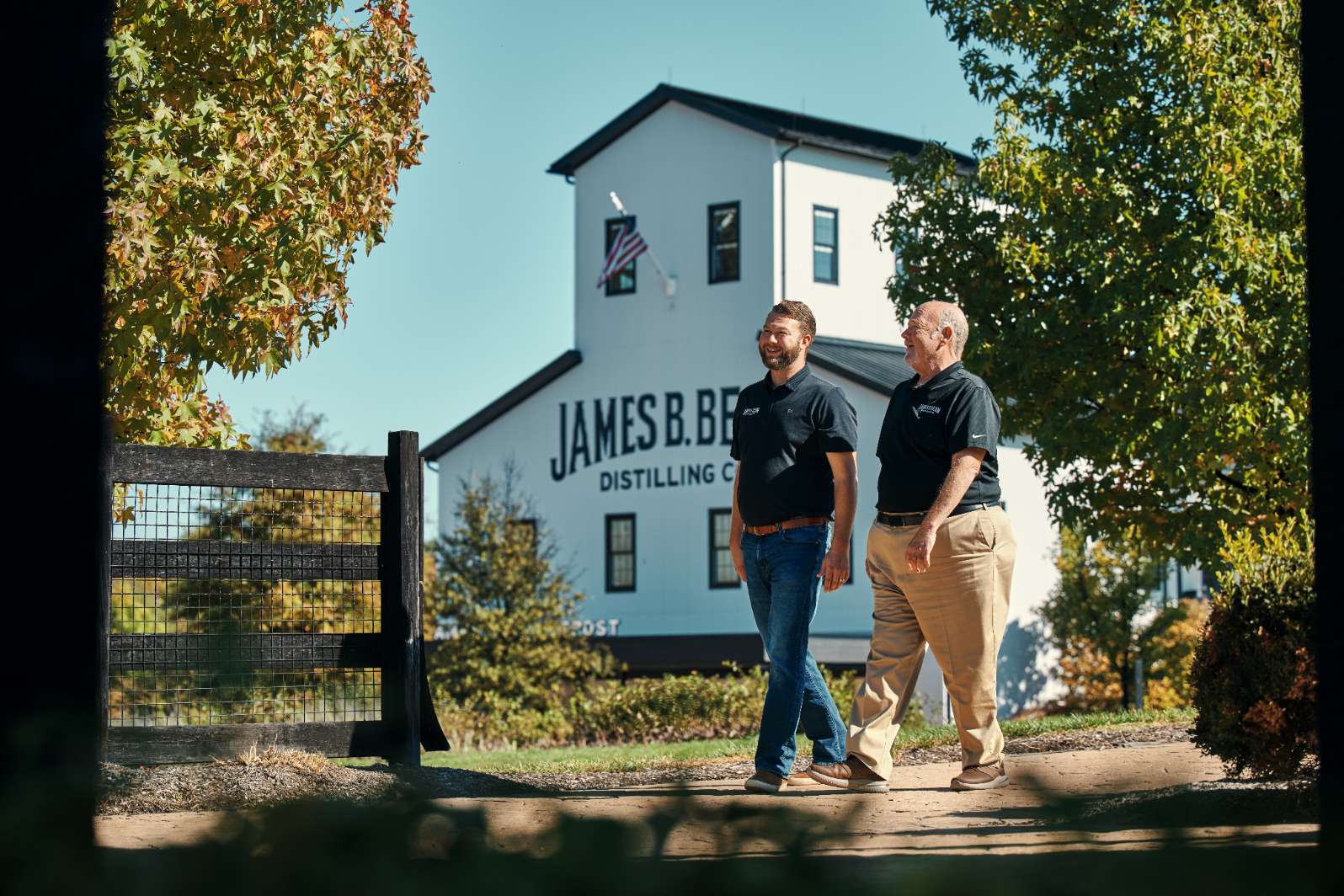
The Kentucky Bourbon Trail recorded a record 2.7 million visits in 2024, with visitors arriving from all 50 states and more than 20 countries. Beam sits right off I-65 as the first stop on the Trail heading south from Louisville toward Bardstown. Many travelers pair it with Maker’s Mark and Heaven Hill on the same day.
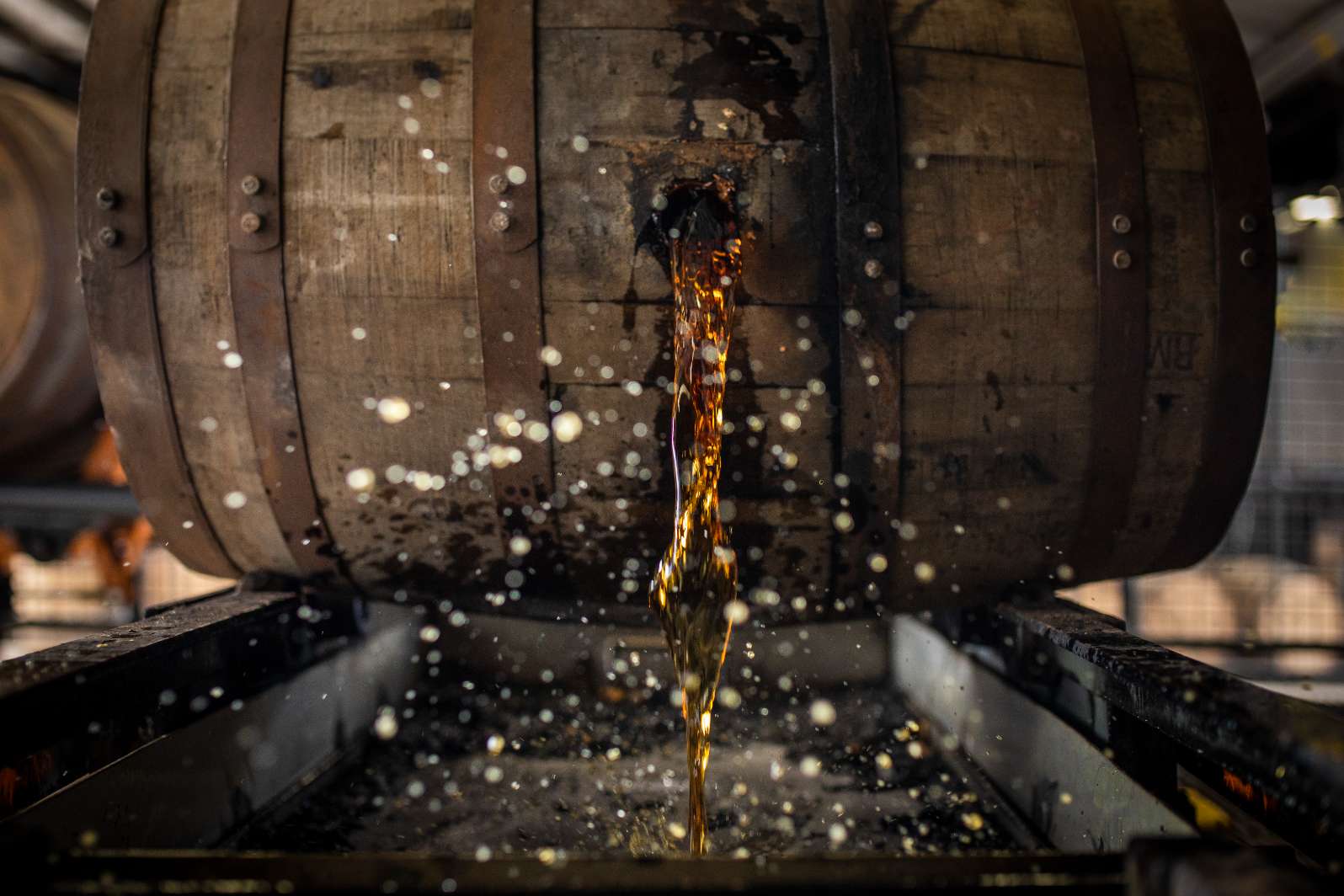
Best For: First-timers, foodies, and anyone who wants history they can taste. Active military visit free with valid ID, and veterans receive a discount.
Best Historic Places In The South: 9 Living Heritage Stops
Best Southern Historic Road Trips: 7 Routes Across America
Best Southern Weekend Getaways 2026: 10 Fresh Escapes
Reserve your spot on the Beam Made Bourbon Tour & Tasting
2. Charleston, South Carolina
Charleston was founded in 1670 by English colonists at the confluence of the Ashley and Cooper rivers. It grew into one of the wealthiest cities in pre-Revolutionary America and later became the cradle of secession in 1860. Fort Sumter, where the opening shots of the Civil War were fired on April 12, 1861, is reachable by ferry from downtown.
The International African American Museum, opened in 2023 near the wharf where thousands of enslaved Africans once disembarked, has quickly become one of the city’s signature attractions. Charleston welcomed an estimated 7.9 million visitors in 2024, and visitor research consistently shows heritage and historic sites as the city’s strongest draw.
Best For: First-timers and history lovers who want the full sweep of American history, from colonial founding through the Civil War, in one walkable city.
3. Savannah, Georgia
Savannah was founded in 1733 by General James Oglethorpe as the first city in the thirteenth colony, built on a bluff above the Savannah River. Its distinctive grid of squares retains 22 of the original 24 squares intact, which creates a compact and walkable landscape of Southern history. Many travelers pair Savannah with Charleston as a single trip rather than choosing between them. The two cities are about 90 minutes apart, which makes them a natural pair.
Stroll the squares, explore River Street, visit Gullah Geechee heritage sites, and walk through Colonial Park Cemetery, established in 1750, which spans six acres in the historic district.
Best For: Romantic getaways and couples who want atmosphere, walkability, and a slower pace.
4. St. Augustine, Florida
St. Augustine was founded in 1565 by Spanish admiral Pedro Menéndez de Avilés, which makes it 42 years older than Jamestown and 55 years older than Plymouth. That history establishes it as the oldest continuously occupied European settlement in the continental United States. The Castillo de San Marcos, begun in 1672 and completed in 1695, was built from coquina, a soft local stone of compressed seashells that absorbed cannonballs rather than shattering, and never fell in battle despite repeated British sieges.
The fort is now managed by the National Park Service as a National Monument. The Colonial Quarter recreates life from the 16th to 18th centuries with costumed living history interpreters, a working blacksmith shop, and musket drills.
Best For: Families and history buffs who want the deepest American timeline.
5. New Orleans, Louisiana
New Orleans was founded by the French in 1718, and its 66-block grid of streets and squares along the Mississippi River was engineered by the French and can still be followed today. The Cabildo served as the seat of Spanish government and was the place where the Louisiana Purchase was signed in 1803. St. Louis Cathedral was originally erected in 1724.
The National WWII Museum, live jazz on Frenchmen Street, and the city’s layered French, Spanish, African, and Creole heritage create one of the most culturally dense destinations in the country.
Best For: Foodies and music lovers who want cultural-blend history and a city that stays up late.
6. Natchez, Mississippi
Perched above the Mississippi River, Natchez preserves more than 500 antebellum structures. About 100 of those buildings are imposing enough to be classified as antebellum mansions, which gives the town one of the most layered built histories in the Deep South.
The Forks of the Road was the site of the second-busiest slave trading market in the Deep South, where tens of thousands of enslaved men, women, and children were transported in the mid-19th century. Visitors can tour historic homes like Melrose, explore the Natchez Trace Parkway, and visit during the Spring or Fall Pilgrimage tours when private historic homes open to the public.
Best For: Quiet seekers and couples who want reflection over crowds.
7. Williamsburg, Virginia
Williamsburg served as the capital of the Virginia Colony from 1699 to 1780, and on May 15, 1776, it hosted the vote that moved Congress to officially declare independence on July 4 in Philadelphia. Colonial Williamsburg is a 301-acre living history museum with more than 300 restored or reconstructed buildings, including 89 original to the 1700s, and costumed interpreters working as trained tradespeople.
The College of William and Mary, founded in 1693, is the second-oldest college in the United States and runs the oldest college building still in use anywhere in North America.
Best For: Families and first-timers who want costumed interpreters and hands-on Revolutionary War history.
8. Beaufort, South Carolina
Beaufort was founded in 1711 and is the second-oldest town in South Carolina. Robert Smalls, an enslaved man from Beaufort, commandeered a Confederate transport ship in 1862, sailed it past Confederate batteries to the Union blockade, and later served five terms in the U.S. Congress; his house still stands on Bay Street.
The Penn Center on St. Helena Island preserves the 1862 Penn School, one of the first formal schools for freedmen in the United States. Guided walks or carriage rides through the landmark district, Hunting Island State Park’s historic lighthouse, and the Lowcountry pace make Beaufort a rare destination that delivers depth without heavy crowds.
Best For: History lovers who want Gullah Geechee and Civil War history without the lines.
Charleston Vs. Savannah For History: How To Decide
The table below compares Charleston and Savannah on the factors that matter most for a history-focused trip, including founding date, key historic site, and trip style fit. Use it as a quick reference when you decide how to split your time.
| Attribute | Charleston | Savannah |
|---|---|---|
| Founded | 1670 | 1733 |
| Key Historic Site | Fort Sumter (part of Fort Sumter and Fort Moultrie National Historical Park) | 22 Original Squares |
| Best For | Full sweep of American history | Romantic getaways, walkability |
| Trip Style | First-timer, history lover | Couple, atmosphere seeker |
Choose Charleston for the full sweep of American history from colonial founding through the Civil War. Choose Savannah for atmosphere, walkability, and a romantic getaway. Travelers with four nights can do both. The cities are about 90 minutes apart and function as a natural pair.
If You Only Have Three Days: A First-Timer’s Framework
Three days gives you enough time to do one destination well or two destinations at a pace that lets the history actually land. For first-timers and international visitors who want context on what the history represents, the Kentucky Bourbon Trail and James B. Beam Distilling Co. form the strongest anchor stop. The campus delivers living history, a hands-on 75-minute grain-to-glass experience, five bourbons tasted in context, and a full day out in one location, all within 30 minutes of Louisville.
That schedule leaves a second day for Louisville itself and a third for a neighboring distillery like Maker’s Mark or Heaven Hill on the way to Bardstown. Travelers who prioritize preserved architecture and coastal scenery can instead pair Charleston and Savannah as a single trip. A 6–8 day Charleston and Savannah itinerary that splits time between the two cities and adds one coastal or Lowcountry day from each base suits travelers who want atmosphere, food, and history without long driving days. Even three nights give you enough time to walk the squares, see Fort Sumter, and eat well.
Plan your visit to the Beam Made Bourbon Tour & Tasting
Accessibility And Pacing For Senior Travelers
Travelers who prefer a slower pace or have mobility considerations benefit from destinations that keep most experiences in one place. Many public areas, retail spaces, The Kitchen Table restaurant, and portions of the Beam Made Bourbon Tour at the James B. Beam Distilling Co. are ADA accessible. Leashed pets are welcome in many outdoor areas, though not in production spaces, and service animals are welcome per ADA guidelines. The 75-minute tour format and on-site dining make the campus a manageable full-day experience without significant travel between stops.
For broader Southern itineraries, travel planning guides for senior travelers recommend a maximum of about 100 miles of driving per day on average, with spring (March to May) and fall (September to November) as the most comfortable seasons across the Southeast. Accessibility at Southern historic sites varies widely. Some historic homes built in the 1800s have limited wheelchair accommodations, so confirming details with each attraction ahead of arrival works best.
Frequently Asked Questions
What Are The Best Cities For History Lovers?
Charleston, Savannah, St. Augustine, New Orleans, and Natchez are the established historic cities of the South, each defined by a founding date, a war, or a cultural movement that shaped the country. Charleston’s colonial founding in 1670 and its role in the Civil War contribute to a history that is one of the longest and most diverse of any community in the United States. St. Augustine’s 1565 founding makes it the oldest continuously occupied European settlement in the continental United States. New Orleans layers French, Spanish, African, and Creole history across a city grid laid out by engineer Adrien de Pauger beginning in 1721, three years after the city’s 1718 founding, that is still in use today.
The Kentucky Bourbon Trail and the James B. Beam Distilling Co. add a living-history dimension that preserved cities cannot provide on their own. Visitors step into a working American craft, taste the results, and see modern production that connects directly to centuries of tradition.
What Are The Best Historic Southern Vacation Spots For Families?
St. Augustine offers the deepest American timeline and the Castillo de San Marcos, where National Park Service rangers host musket and cannon demonstrations. Williamsburg’s Colonial Williamsburg living history museum has more than 300 restored and reconstructed buildings with costumed interpreters working as trained tradespeople, which creates one of the most immersive family history experiences in the country. The College of William and Mary, founded in 1693, is the second-oldest college in the United States and adds an educational dimension to the visit.
The Kentucky Bourbon Trail also fits into many family itineraries. The James B. Beam Distilling Co. campus, The Kitchen Table restaurant, and the American Outpost gift shop welcome families, though all bourbon tastings are 21+ with valid ID. Children may accompany adults on select tours. The hands-on format, including filling a barrel and watching the T-Line bottling operation, holds the attention of visitors of many ages.
What Are The Secret And Underrated Historic Spots In The South?
Beaufort, South Carolina is a strong answer for travelers who want depth without crowds, offering Charleston’s historic charm and Lowcountry culture with far fewer crowds and a lower price tag, though it still sees meaningful crowds during peak summer events and is best enjoyed in the spring and fall shoulder seasons. Founded in 1711, it is the second-oldest town in South Carolina. Its history runs from Robert Smalls, who commandeered a Confederate transport ship in 1862 and later served five terms in Congress, to the Penn Center on St. Helena Island, one of the first formal schools for freedmen in the United States. Guided walks through the landmark district and Hunting Island State Park’s historic lighthouse round out a full day.
Natchez, Mississippi offers quiet reflection and a large concentration of preserved historic architecture—including more than 600 examples of historical buildings and over two dozen interpreted antebellum historic houses—above the Mississippi River, along with the sobering history of the Forks of the Road slave trading market. The Natchez Trace Parkway connects the city to Nashville through Native American mounds and Civil War sites.
The Kentucky Bourbon Trail is an underrated historic destination for travelers, offering working distilleries that predate the Civil War and survived Prohibition, and Kentucky is one of the most underrated travel destinations in the United States. The James B. Beam Distilling Co. stands out as a working distillery where that long-running American story continues in real time.
Where Should I Go For A Quiet Historic Getaway In The South?
Natchez, Mississippi is a top destination for a quiet historic getaway, known for its small-town atmosphere, more than 600 examples of preserved antebellum architecture (more than any other city in the South), a safe, walkable downtown, and a slower pace that invites unhurried exploration. The Spring and Fall Pilgrimage tours open private historic homes to visitors, and the Natchez Trace Parkway offers a scenic, low-traffic route through the region’s deeper history.
Beaufort, South Carolina delivers Lowcountry quiet with genuine historical weight. Visitors find Gullah Geechee heritage, Civil War history, and a landmark district that rewards slow walking rather than a checklist approach.
The James B. Beam Distilling Co. midweek is less crowded, with weekday mornings and Tuesdays or Wednesdays offering the best availability and smallest crowds, though in 2026 main-line distillation at the Clermont campus is paused, so visitors may not see the main stills running even as tours, bottling, and other experiences continue. The 75-minute Beam Made Bourbon Tour runs in groups of up to 24, The Kitchen Table serves lunch and dinner, and the American Outpost gift shop stocks bottles that are simply available on the shelf.
The One Stop That Reframes Your Southern History Trip
Most Southern travelers face the same challenge: too many options and not enough time. The eight destinations above solve that problem by matching each stop to the trip you are actually taking. One anchor fits almost every itinerary, whether you travel as a first-timer, a returning enthusiast, a family, a couple, a foodie, or a history fan. That anchor is the James B. Beam Distilling Co. in Clermont, Kentucky.
The campus brings together centuries of bourbon-making, a modern working distillery, and a hands-on tasting experience in a single stop. Visitors taste five bourbons in context, fill a barrel by hand, and seal a bottle with a thumbprint. Those moments turn abstract history into something you can walk through, taste, and take home.
Please enjoy responsibly. All tasting experiences are 21+ with valid ID.
Schedule your Beam Made Bourbon Tour & Tasting
This article is promotional content of James B. Beam Distilling Co. Please practice responsible drinking.