Written by: Tyler Himes, Senior Brand Manager – James B. Beam Distilling Co.
Key Takeaways For Planning Your Speakeasy Night
- Speakeasies use hidden entrances, immersive themes, and focused cocktail menus that reward planning ahead.
- Standout hidden bars in major cities include PDT in New York, The Office in Chicago, La Descarga in Los Angeles, Bourbon & Branch in San Francisco, and Cure in New Orleans, alongside notable spots in Denver, Philadelphia, Nashville, Seattle, Las Vegas, and San Diego.
- Many exclusive speakeasies rely on reservations booked days or weeks ahead, especially for weekend and peak evening visits.
- Smart-casual dress, punctual arrivals, and respect for house rules such as low voices and limited photos keep the experience smooth.
- James B. Beam Distilling Co. offers a daytime counterpart to a speakeasy night through its Beam Made Bourbon Tour & Tasting at the home of the world’s #1 bourbon.
Book your Beam experience today
The Best Speakeasies In America, City By City
Last verified: September 2026. Door policies, hours, and closures change, so confirm directly with each venue before visiting.
The bars below are grouped by city and highlight how to get in, what the room feels like, and what to order first. Use this section to match your travel plans with the entry style and reservation effort you are willing to make.
New York City
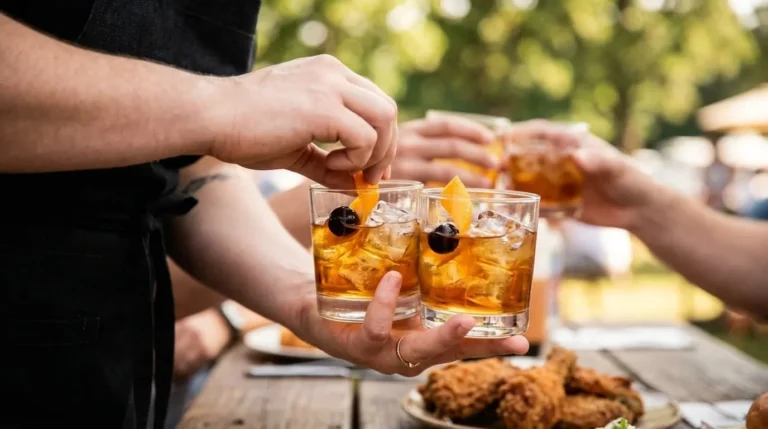
PDT (Please Don’t Tell) — 113 St. Marks Pl., East Village. Mid-range. Walk into Crif Dogs, step into the vintage phone booth, pick up the receiver, and dial as instructed or wait to be buzzed in after a camera check. A hidden door in the wall swings open into the bar. PDT does not publish a fixed reservation release time, and Resy bookings typically open up to 7 days in advance, with some sources reporting a midnight ET release 13 days out. A walk-in at prime time is unlikely. Order the Benton’s Old-Fashioned, a bacon fat-infused bourbon drink with maple syrup and Angostura bitters. Bartender Don Lee created it, and it is widely regarded as the bar’s best-selling and most influential cocktail, even though co-founder Jim Meehan has said he does not claim a signature drink. The room is dim and lined with taxidermy, and the phone booth entrance you just used has become the most imitated entrance mechanic in the modern revival.
Attaboy — 134 Eldridge St., Lower East Side. Mid-range. The door is unmarked, with only “AB” and “Please Wait To Be Greeted” on the metal. Ring the buzzer or knock and wait to be welcomed inside. There is no printed menu. Tell the bartender a spirit and a mood, and they build a bespoke drink around it. Attaboy offers a limited number of reservations via OpenTable, and all other guests are seated first-come, first-served for parties of six or fewer. The Penicillin cocktail, created in 2005 by Sam Ross at Milk & Honey in New York, connects directly to this space, which was reborn as Attaboy in 2013.
Raines Law Room — Raines Law Room at The William sits at 24 E. 39th Street in Midtown Manhattan, inside The William Hotel between Madison and Park Avenues. The original Chelsea location is at 48 West 17th Street. Upscale. At the Chelsea bar, there is no sign. Guests ring the doorbell, give their name and party size, then press a call button or pull a chain at their seat to summon service. Raines Law Room takes reservations through Resy, and reservations are recommended during peak evening hours and weekends, though walk-ins may be accommodated when space allows. Velvet banquettes and a no-phones policy make it one of the city’s strongest date-night speakeasies.
The Back Room — 102 Norfolk St., Lower East Side. Mid-range. Enter through a gate marked “Lower East Side Toy Company,” head down a flight of steps and through a narrow semi-subterranean alleyway, then climb a covered steel staircase to an unmarked door. The Back Room is one of only two New York City speakeasies that operated during Prohibition and still exist today. Cocktails arrive in teacups and beer in brown paper bags. Fridays and Saturdays are 25-and-over.
Chicago
The Office — 955 W. Fulton Market, West Loop. Upscale. The Office is a 21-seat speakeasy beneath The Aviary, entered through an unmarked door that stays locked and does not open for walk-ins. The Office began as an invitation-only room and opened to the public in 2012; as of 2026, reservations are booked through Tock, and walk-ins are not accepted, while demand still exceeds supply. Condé Nast Traveler notes classically inspired cocktails built on ultra-rare spirits at around $20, with some pours higher. The back bar includes vintage and rare bottles, including Prohibition-era whiskies.
The Drifter — 676-8 N. Orleans St., River North. Mid-range. The Drifter occupies the basement of the Green Door Tavern at 678 N. Orleans St., a wooden building from 1872 that is reputed to be the oldest wooden restaurant and bar structure in Chicago and once housed a Prohibition-era speakeasy supplied by Dean O’Banion’s bootlegging operation. Contractors later rediscovered a secret door behind a large wooden credenza, inspiring the modern bar. Co-owner Allison Dincecco has described how her husband decided to reopen the basement as a speakeasy and cocktail lounge after that find. The Drifter runs a rotating tarot card cocktail menu with a list of over 100 cocktails, and bartenders pull a handful of cards at random each night to set the evening’s offerings. Burlesque and variety pop-up acts run several nights a week, with an $8 cover charge added to each bill.
Three Dots And A Dash — 435 N. Clark St., River North. Mid-range. Guests enter via a discreet alleyway off Hubbard Street through a nondescript door, then descend a staircase lined with a blue wall of skulls. Inside, tiki cocktails arrive in hollowed pineapples and smoking volcano bowls. The Bamboo Room, a 22-seat rum-focused bar inside, encourages reservations via OpenTable or Tock, though walk-ins can often sit at the bar.
Los Angeles
La Descarga — 1159 N Western Ave, East Hollywood. Upscale. The room evokes a 1940s Havana nightclub with crystal chandeliers, velvet sofas, a hidden cigar lounge, and live Cuban music with salsa and burlesque performances. Reservations are required Thursday through Saturday and for any party over eight. Order a rum-forward cocktail and plan to stay through at least one show.
Lock & Key — Koreatown, Los Angeles. Mid-range. Lock & Key requires guests to find the correct doorknob on a wall of decoy knobs to enter, then opens into a moody, dimly lit, 1920s-themed interior with craft cocktails. The bar operates primarily as a walk-in venue, though weekends draw long lines and reservations appear only occasionally for larger groups or special events.
San Francisco
Bourbon & Branch — 501 Jones St., Tenderloin. Mid-range. The main entrance is an unmarked door on Jones Street. Guests with reservations for the main bar receive a nightly password and must present it at the door. Walk-ins use The Library entrance, ringing the buzzer and giving the standing password “books,” which grants access from 6 pm to 2 am without a reservation. The bar enforces strict house rules, including no photography and no cell phones. Order the house Old Fashioned.
New Orleans
Cure — Freret Street, Uptown. Mid-range. Cure opened in 2009 on Freret Street in a converted 1903 firehouse, founded by Neal Bodenheimer and Matthew Kohnke. There is no hidden entrance; the focus rests on the drinks. Cure is widely credited with anchoring the craft cocktail revival in New Orleans. Walk-ins are welcome, and reservations are available. Start with something built on rye or bourbon.
Denver
Williams & Graham — 3160 Tejon St., LoHi. Mid-range. Enter through a working bookshop where a shelf swings open into the bar. Reservations are strongly recommended on weekends. The bar is one of the most celebrated hidden spots in the Mountain West, with a serious cocktail program built on a library of more than 500 spirits and a strong barrel program. Order the house Manhattan.
Philadelphia
Franklin Mortgage & Investment Co. — 1715 Rittenhouse Square, Philadelphia, PA 19103, in Center City. Mid-range. Named after an actual Prohibition-era front company, the bar uses a 1920s bank design, with teller cages repurposed as private seating. Reservations are recommended. The cocktail program ranks among the city’s most technically accomplished.
Nashville
The Red Phone Booth — Downtown Nashville. Upscale. Guests dial a secret code inside a restored red London phone booth, which opens into a 1920s-style lounge with warm lighting, leather seating, and vintage decor. Entry does not require reservations, but every guest must secure the nightly code, while membership and member reservations apply mainly to limited-seating events. The bar has a strong bourbon and Scotch selection, and a classic Old Fashioned fits the room.
Seattle
Needle & Thread — Capitol Hill. Mid-range. Needle & Thread hides above its sister bar Tavern Law; guests pick up an antique telephone in the back, which unlocks a vault door, then climb the stairs into the speakeasy. Reservations are recommended on weekends. The bar operates as a reservation-only room with no printed menu, and bartenders craft bespoke drinks based on guest preferences.
Las Vegas
The Laundry Room — 525 Fremont St in the Fremont East District of Downtown Las Vegas, tucked inside Commonwealth. Upscale. Access begins with a text to 702-701-1466 for a reservation, followed by check-in at the Commonwealth host stand, where staff escort guests to the hidden entrance. This is one of the city’s most genuinely hidden bars. Reservations are required, and walk-ups are not accepted.
San Diego
False Idol — Little Italy. Mid-range. False Idol is a tiki speakeasy behind a secret entrance inside Craft & Commerce at 675 W. Beech St. The bar accepts walk-ins, though reservations are recommended and weekends fill fast; Sunday and Monday nights are the easiest for walk-ins. Order a rum punch in a ceramic tiki vessel.
Reserve your spot on the Beam Made Bourbon Tour & Tasting
Hidden Entrances Vs. Speakeasy Aesthetic
Speakeasies fall into two broad types, and knowing which one you are visiting shapes what you should expect at the door.
A genuinely hidden bar keeps its entrance unknown unless someone tells you where and how to enter. Bourbon & Branch in San Francisco uses a password shared at booking and an unmarked door that reveals nothing from the street. Williams & Graham in Denver hides behind a working bookshelf. The Laundry Room in Las Vegas requires a text reservation before staff guide you to the door. The Drifter in Chicago occupies a former Prohibition-era basement speakeasy, rediscovered when contractors found a hidden door behind a credenza. At these bars, the entrance mechanic acts as the first chapter of the experience.
A speakeasy-aesthetic bar borrows the visual language of the era, with low lighting, vintage glassware, and art deco details, while keeping the entrance straightforward. Industry writers describe the difference in terms of immersion, where a true speakeasy aligns the entrance, lighting, music, seating, and pacing of service around a single emotional arc. Death & Co in Manhattan ranks among the country’s finest cocktail bars, and its entrance is easy to find, but the no-standing policy and walk-in format mean guests line up outside rather than hunting for a hidden door.
Best Speakeasy For A First-Timer: PDT in New York and Williams & Graham in Denver both offer clear, memorable entrances, predictable reservation systems, and cocktail programs strong enough to justify the planning. These bars suit small groups who enjoy planning and prefer intimate rooms over loud, open-format nightlife.
Etiquette, Dress Code & Door Policies
Getting into a speakeasy and enjoying it fully comes down to preparation, timing, and how you behave once inside.
The entry mechanics vary by bar, yet the principle stays consistent: handle the details before you arrive. Modern hidden bars use passwords less often than the myth suggests, relying more on reservations and hard-to-spot doors, and when a password appears it usually arrives at booking or on social media as theatre rather than true security. At Bourbon & Branch, the password comes with your confirmation email. At The Gatsby in Chicago, guests solve a riddle and receive a card with a password and clues that guide them to a hidden steel door. At PDT, there is no fixed reservation release time, so setting a reminder and checking Resy regularly pays off.
Once you understand the door, the reservation system becomes the real gatekeeper. Most modern speakeasies rely on reservations, especially on weekends, and walk-ins rarely succeed at the most in-demand rooms, which can book out weeks ahead. Hey Chicago’s 2026 guide notes that many Chicago speakeasies are small, with walk-in availability disappearing after 7 pm and weekend reservations filling about two weeks in advance. A simple rule works well: reserve as soon as you know your travel dates.
Even with planning, you may still be turned away. Capacity limits are real, and staff enforce them. If a bar operates as reservation-only and you arrive without one, the door team will decline entry politely and firmly. At a true speakeasy, the reservation functions as a commitment, and the door staff protect the room so that everyone inside shares the same level of intention. Booking early and arriving on time keeps you on the right side of that line.
Dress expectations shape the mood as much as the lighting. Most modern speakeasies expect smart casual attire at minimum, with upscale venues enforcing stricter codes and discouraging athletic wear, flip-flops, and overly casual outfits. Next Door in East Boston asks guests to “dress to impress,” banning athletic wear, beachwear such as flip-flops and tank tops, and baseball caps, with a clear “keep it classy” message. Hey Chicago’s guide notes that many Chicago speakeasies enforce smart-casual dress and avoid athletic wear and flip-flops, with some upscale rooms banning shorts after 6 pm, and suggests dressing as you would for a date at a nice restaurant.
Once inside, speakeasy etiquette keeps the room comfortable for everyone. Core expectations include booking ahead, arriving on time, keeping your group to the reserved size, speaking softly, trusting the bartender, staying patient with made-to-order cocktails, respecting photography limits, following dress guidance, tipping well, and giving up your seat when others are waiting. Snapping a quick photo of your own table is usually fine, but filming the room or photographing strangers often prompts staff to ask you to put the phone away. Tipping at least 20 percent is standard, with 25 percent or more fitting for exceptional service or custom cocktails.
1920s Origins And The Modern Revival
Modern speakeasies echo a specific historical moment, and knowing that story adds context to the hidden doors and strict rules.
Prohibition in the United States began with the Eighteenth Amendment, ratified in 1919 and effective in 1920, with enforcement defined by the Volstead Act, which treated any beverage with 0.5 percent alcohol by volume or more as “intoxicating liquor,” aside from a few narrow exceptions. The result was the rise of the speakeasy. By 1932, estimates suggested more than 220,000 speakeasies nationwide, hidden behind soda shops, barbershops, and florists, and accessed by passwords, secret knocks, or familiar faces.
Prohibition pushed bartenders to reinvent cocktail culture. To make harsh, adulterated bootleg liquor drinkable, they mixed citrus, sugar, honey, syrups, liqueurs, and bitters into their recipes. Those ingredients added structure and balance as well as cover. The result included enduring classics such as the Bee’s Knees and the Last Word. Drinks like the Bee’s Knees, Sidecar, and French 75 are associated with the era, though some predate Prohibition itself.
For bourbon, the period was especially punishing. Prohibition nearly destroyed the Kentucky bourbon industry, leaving only six distilleries licensed in 1929 to produce whiskey for medicinal use. Even after repeal, bourbon slipped into the background during the 1960s and 1970s as vodka surged from roughly 40,000 cases in 1950 to 4.4 million by 1955, then overtook gin in 1967 and whiskey by 1976, while many younger drinkers rejected bourbon as an establishment symbol. Families who stayed the course, including the Beams, rebuilt the category over decades.
The modern speakeasy revival is usually traced to Sasha Petraske’s Milk & Honey, which opened on Eldridge Street in Manhattan on December 31, 1999, with no sign, an unlisted phone number, reservations only, and strict house rules. PDT followed in 2007 with its phone booth entrance, and similar bars spread across major American cities. More than 450 modern bars across the US now use the speakeasy aesthetic, including Attaboy in New York, the late Violet Hour in Chicago, and Williams & Graham in Denver.
Prohibition ended with the Twenty-first Amendment in 1933, the only amendment to repeal a prior one. After repeal, Jim Beam returned to Clermont, Kentucky, rebuilt his distillery by hand with help from friends and family, and released the first post-Prohibition batch in 1935, laying the groundwork for what would become the world’s best-selling bourbon.
Kentucky Bourbon Country: The Daytime Side Of A Speakeasy Trip
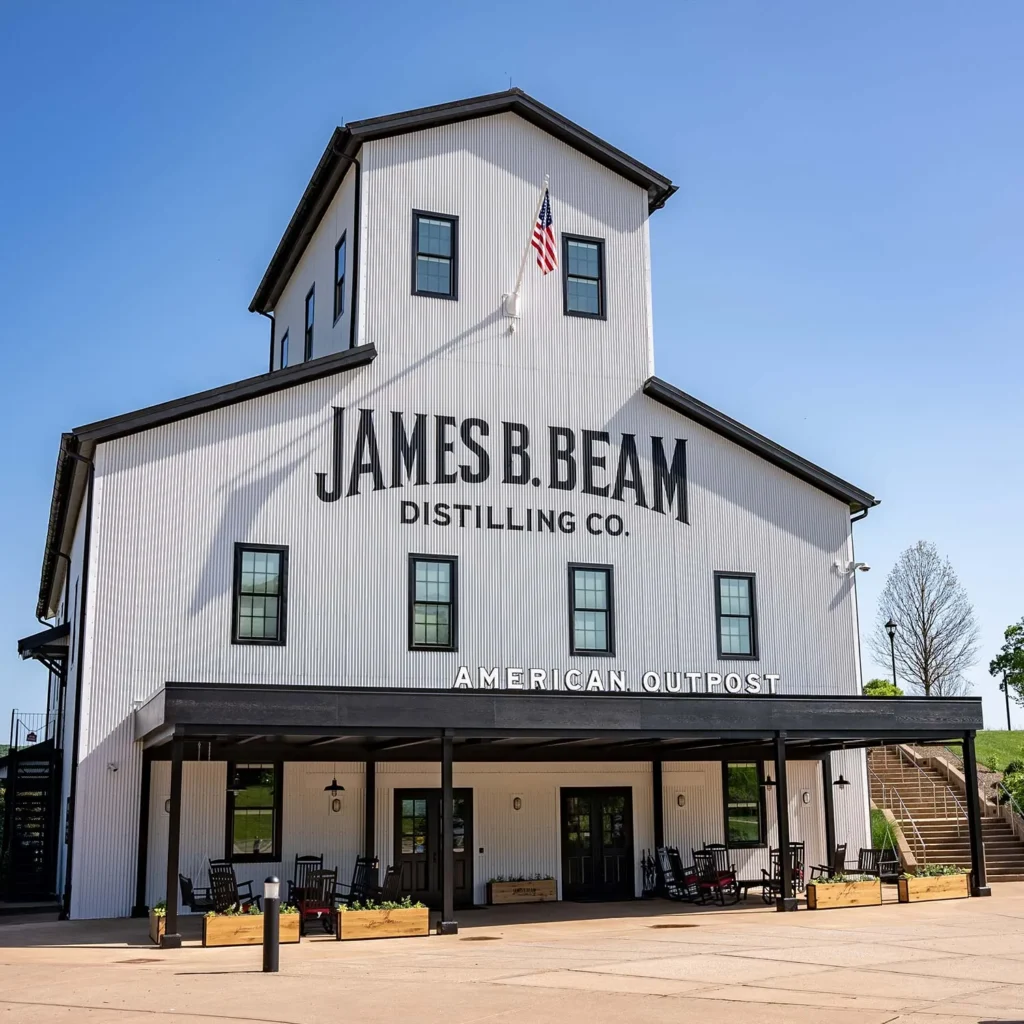
Speakeasies tell the nighttime story of American drinking culture, while a visit to the James B. Beam Distilling Co. in Clermont, Kentucky shows how the whiskey itself is made.
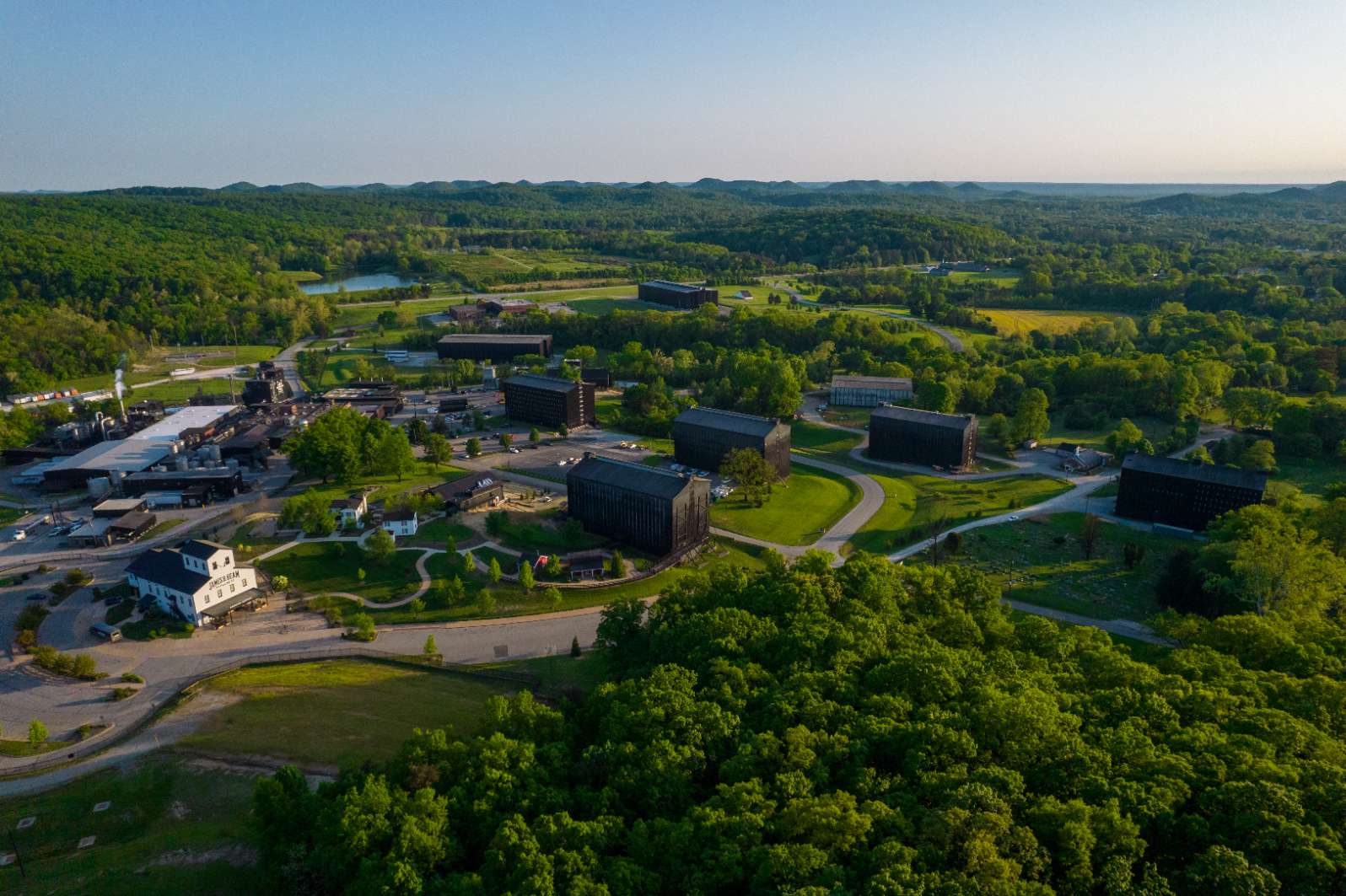
As 7th-generation master distiller Fred Noe has said, “Bourbon and Kentucky have always been one and the same.” The James B. Beam Distilling Co. is the home of Jim Beam, the world’s #1 bourbon, and a working distillery where eight generations of one family have made whiskey since Jacob Beam sold his first barrel in 1795. The campus sits just off I-65 between Louisville and Bardstown, and it serves as the first stop on the Kentucky Bourbon Trail, which welcomed 2.7 million visitors in 2025.
The flagship experience, the Beam Made Bourbon Tour & Tasting, runs about 75 minutes and follows bourbon from grain to glass. Guests fill a barrel, dump a barrel, taste five bourbons along the route, and seal a Knob Creek bottle with a thumbprint pressed into the wax. The taste-as-you-go format ties each pour to a specific stop: Jim Beam White at Jim Beam’s original Cadillac, Jim Beam Black at the mill, Basil Hayden while filling a barrel, Knob Creek at the barrel dump, and a rotating surprise. That Cadillac carried the distillery’s wild yeast strain, the same strain the family has used since the end of Prohibition, which Jim Beam personally safeguarded on weekends. That yeast still runs through nearly every Beam bourbon today.
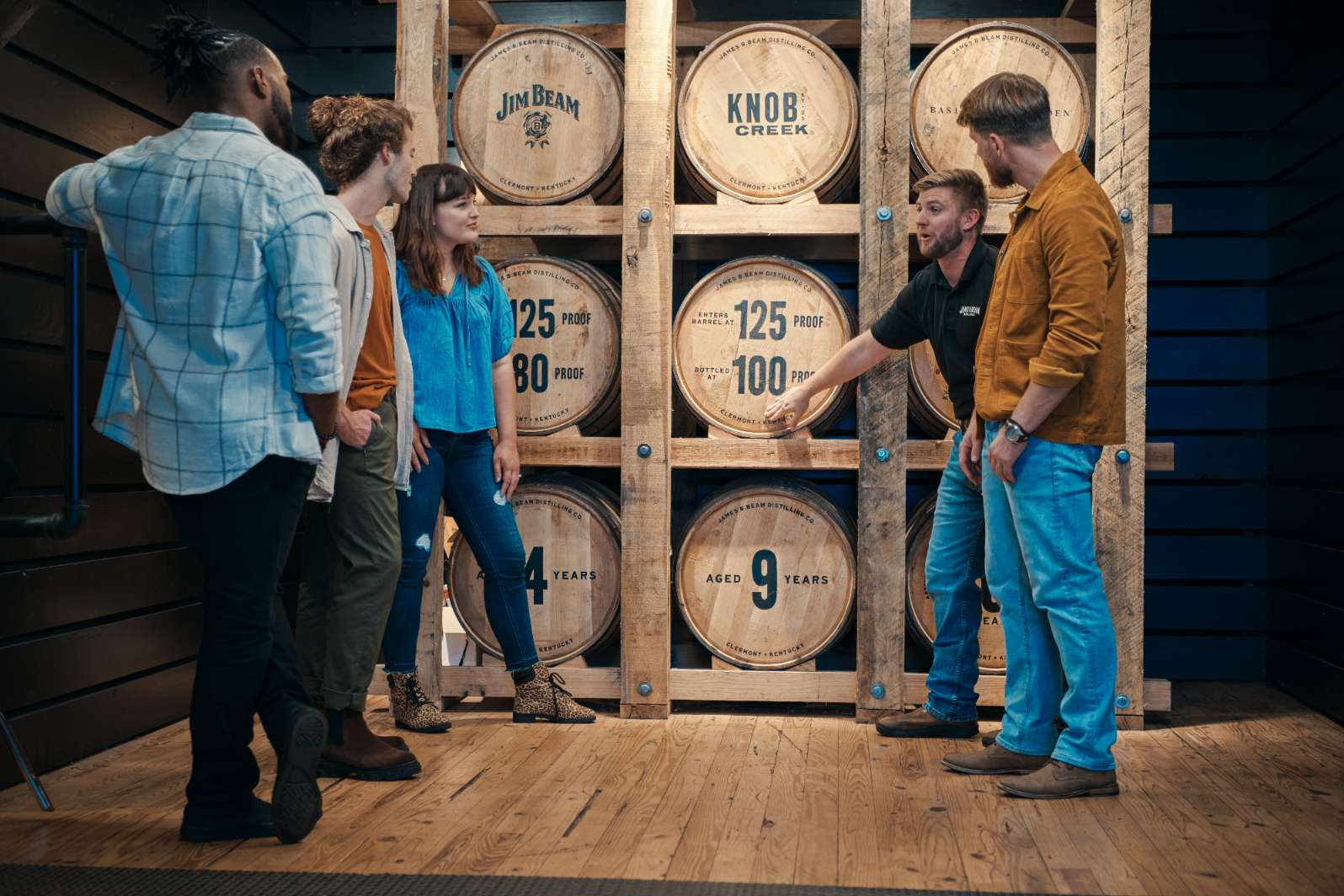
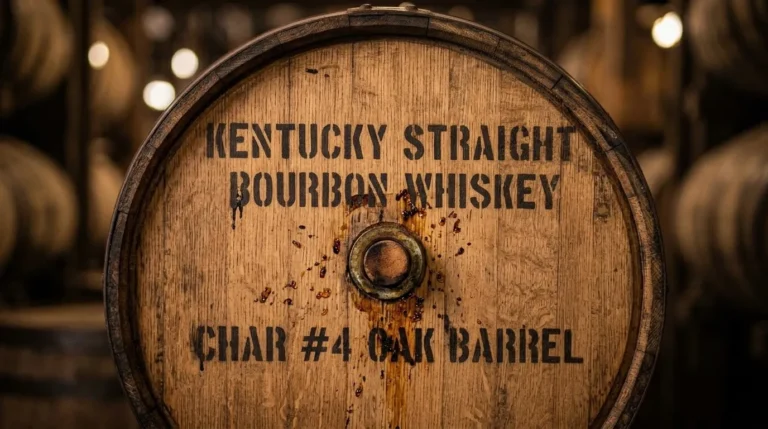
The James B. Beam Distilling Co. also houses the full Small Batch Collection of Knob Creek, Basil Hayden, Booker’s, and Baker’s, which Booker Noe launched in 1992 and which helped reshape the bourbon landscape. Kentucky’s limestone shelf filters water into an iron-free, calcium-rich source that supports flavor, appearance, and fermentation. Every barrel uses level-4 char American white oak, following a practice that dates back to Jacob Beam. With roughly 3.1 million barrels aging across about 100 warehouses, the scale becomes clear only when you stand inside a rackhouse.
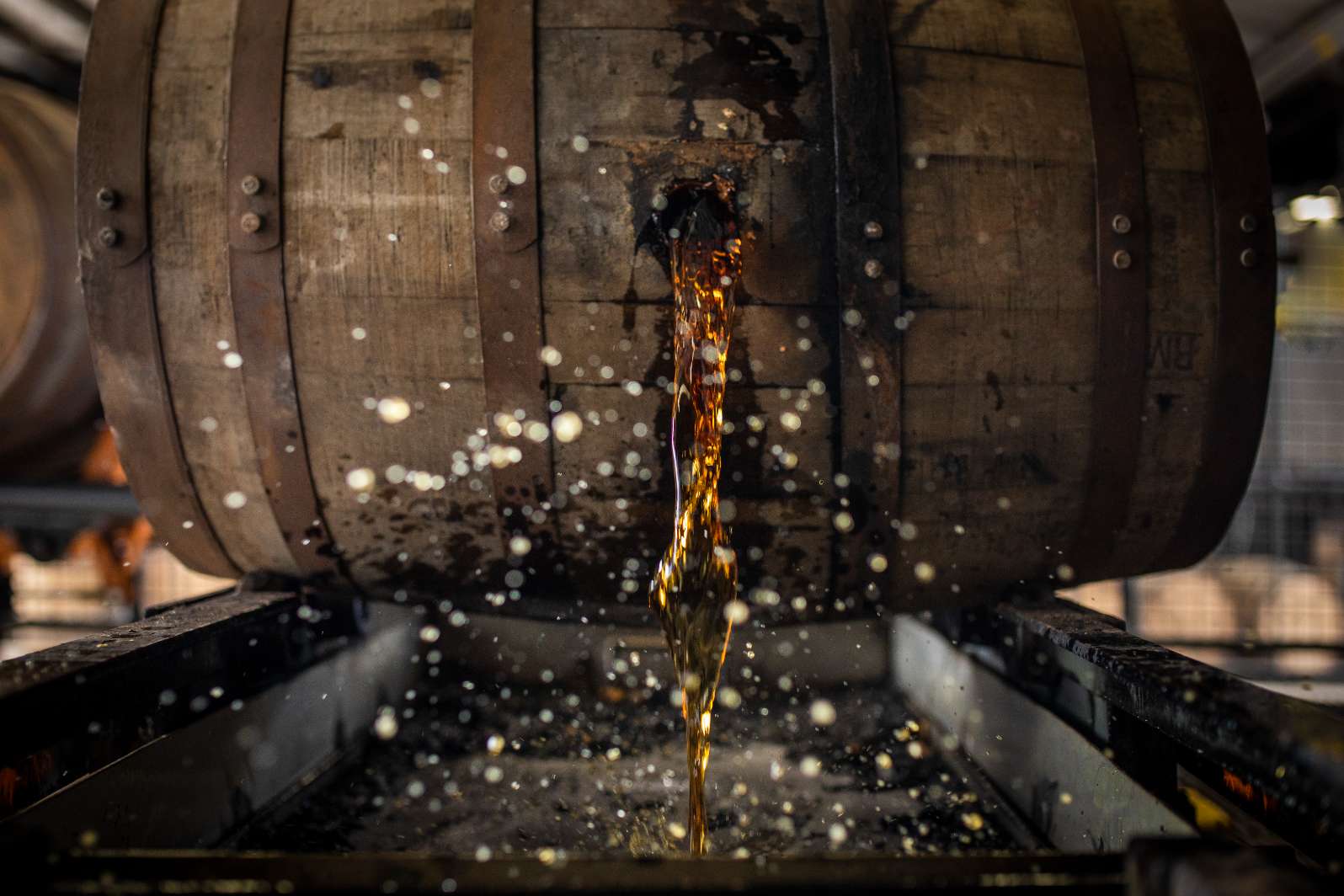
Returning enthusiasts can book the Maturation Matters warehouse experience, which takes guests into one of Clermont’s oldest rackhouses to hammer open a barrel of Jim Beam Black and thieve whiskey straight from the wood at barrel strength. The Fred B. Noe Craft Distillery tour goes behind the scenes of where Booker’s, Baker’s, Little Book, and other innovation releases are made. Hard-to-find and distillery-exclusive bottles such as Lineage, the Distiller’s Share experimental series, and a bottled-in-bond Basil Hayden made only for the distillery sit on shelves without lotteries or timed drops. Master distillers Fred Noe and Freddie Noe are on site most days, and Fred often hosts Whiskey Wednesday tastings.
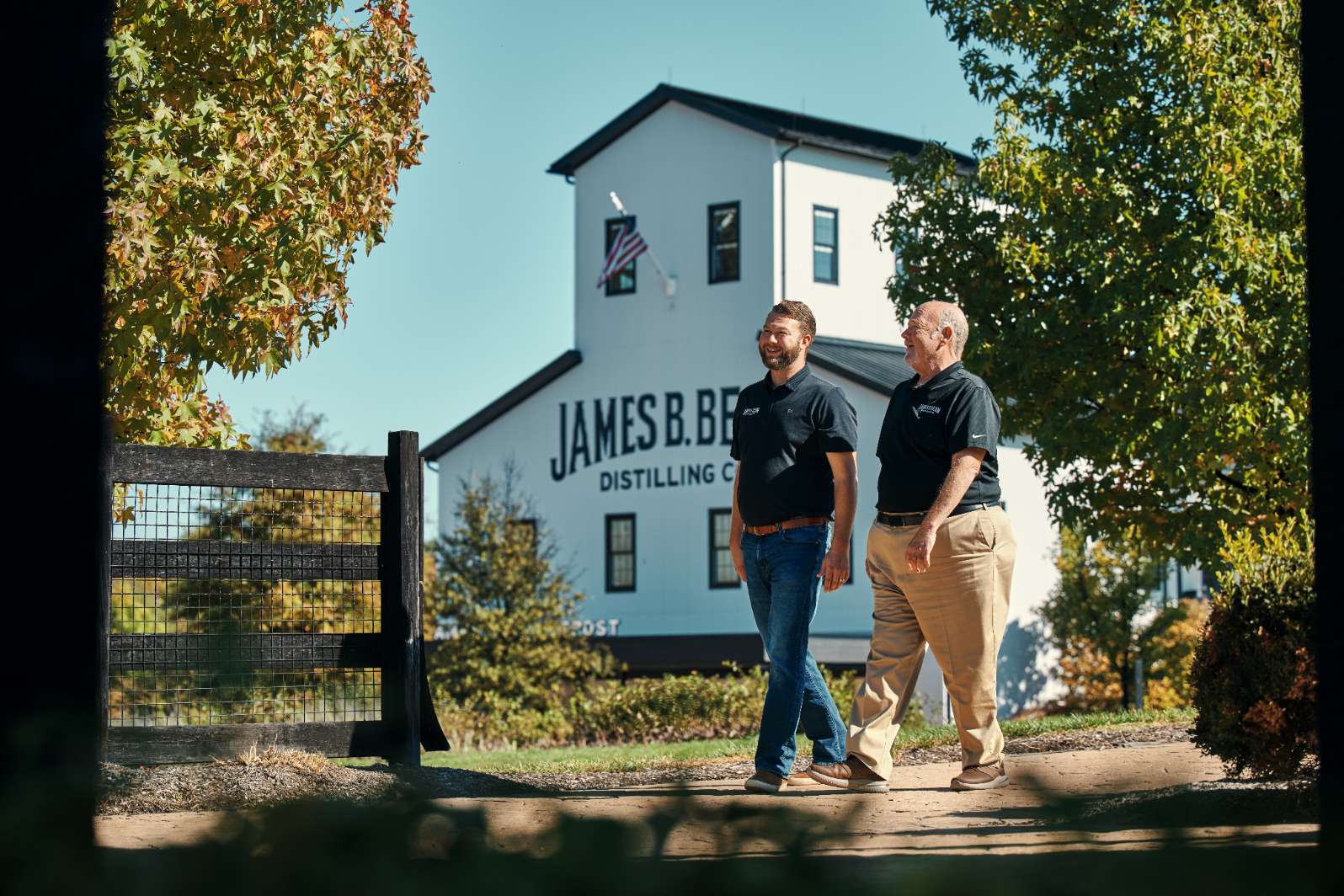
The Kitchen Table restaurant turns a tour into a full day with Kentucky-inspired dishes, sourdough pizza made with the bourbon’s yeast strain, and cocktails built on the family’s whiskeys. The distillery holds a 4.7-star average across more than 1,400 reviews, reflecting how often visitors leave feeling like part of the extended Beam family.
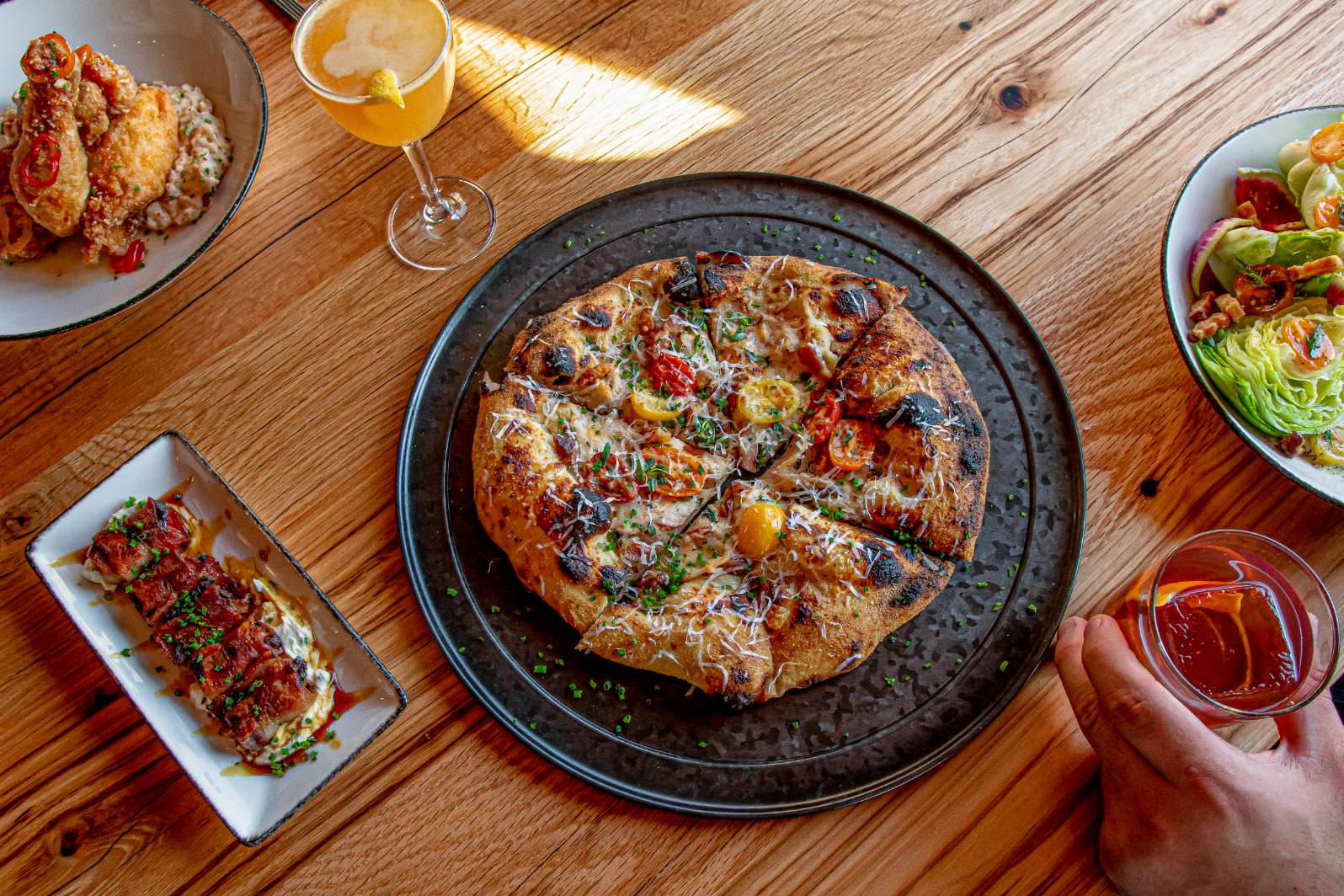
This visit pairs naturally with a speakeasy night in nearby cities and delivers a full day in bourbon country.
Reserve your spot on the Beam Made Bourbon Tour & Tasting
The Speakeasy Road Trip: Linking Cities And Bourbon Country
A national speakeasy road trip can follow a loose arc from the Northeast through the South and out to the West Coast, revisiting many of the bars listed above. One practical routing starts in New York with PDT, Attaboy, and Raines Law Room, continues to Philadelphia for Franklin Mortgage & Investment Co., then heads to Nashville for The Red Phone Booth, New Orleans for Cure, Chicago for The Office and The Drifter, Denver for Williams & Graham, San Francisco for Bourbon & Branch, and Los Angeles for La Descarga.
On a southern routing between Nashville and Chicago, a Kentucky bourbon-country stop fits naturally between speakeasy nights. The James B. Beam Distilling Co. in Clermont, KY, at 568 Happy Hollow Rd, sits about 30 to 40 minutes south of Louisville along the I-65 corridor between Louisville and Bardstown. In 2025, the Kentucky Bourbon Trail drew visitors from all 50 states and more than 20 countries. Pairing a speakeasy night in Nashville or Louisville with a daytime visit to the First Family of Bourbon covers both the hidden-door nightlife and the distillery-side history of American whiskey.
Frequently Asked Questions
What Is A Speakeasy Bar?
A speakeasy is a bar defined by a hidden or disguised entrance, a reservation-led or limited-access format, and a serious craft cocktail program. The term began during US Prohibition, when illegal bars operated behind storefronts and used passwords or secret knocks. Today’s speakeasies are fully legal and licensed, and they stay hidden by design so that the entry point becomes part of the experience. The strongest examples build a complete world around the drink, aligning entrance, lighting, music, and pacing of service.
Can You Get Into A Speakeasy Without A Reservation?
At many of the top speakeasies in the US, a reservation is the only reliable way to get in. Venues such as PDT in New York, Bourbon & Branch in San Francisco, and The Office in Chicago operate at low capacity, and weekend slots often fill days or weeks ahead. Some New York bars, including Angel’s Share and Little Branch, operate as walk-in only, while Attaboy uses a hybrid model with limited OpenTable reservations and the rest of the seats filled first-come, first-served. Arriving right at opening on a weekend gives you the best chance at a walk-in seat. A practical rule is to book as soon as you know your travel dates and treat the reservation as a firm commitment.
What Should You Wear To A Speakeasy?
Smart casual sets the baseline for most speakeasies. Many venues discourage athletic wear, flip-flops, shorts after 6 pm, and very casual outfits. Upscale speakeasies such as Raines Law Room in New York, The Office in Chicago, and La Descarga in Los Angeles attract date-night crowds, though their written dress expectations differ; Raines Law Room avoids only lewd or overly revealing clothing, while La Descarga enforces a strict dress code. The practical rule is to dress as you would for a nice restaurant dinner. When in doubt, err on the side of dressing up.
What Are The Rules Of A Speakeasy?
The core rules stay consistent across most hidden bars. Book ahead, arrive on time, and keep your group to the size you reserved. Speak softly, trust the bartender, and stay patient with made-to-order cocktails. Follow any photography restrictions, respect the dress code, tip generously, and give up your seat gracefully when others are waiting.
This article is promotional content of James B. Beam Distilling Co. Please practice responsible drinking.