Written by: Tyler Himes, Senior Brand Manager – James B. Beam Distilling Co.
Key Takeaways
- Historic sites in the Southern US span five eras: Colonial, Revolutionary War, Civil War, Civil Rights, and Reconstruction/Indigenous. This makes it easy to build a connected, era-based itinerary.
- Standout sites include Castillo de San Marcos NM (FL), Fort Sumter and Fort Moultrie NHP (SC), Kings Mountain NMP (SC), Vicksburg NMP (MS), Birmingham Civil Rights NM (AL), and Martin Luther King, Jr. NHP (GA).
- Most sites take 1.5–4 hours to visit. Spring and fall bring the best weather and smaller crowds, while ferry-access locations like Fort Sumter need advance planning.
- Hidden-gem stops such as Reconstruction Era NHP (SC) and Ocmulgee Mounds NHP (GA) add context that many mainstream lists leave out.
- For travelers routing through Kentucky, the James B. Beam Distilling Co. offers a hands-on bourbon experience that pairs naturally with a Southern history road trip.
Reserve Your Beam Made Bourbon Tour
Colonial & Military Landmarks: Where Southern History Begins
St. Augustine, Florida, founded on September 8, 1565, by Spanish conquistador Pedro Menéndez de Avilés, is the oldest continuously occupied European settlement in the continental United States, predating Jamestown by 42 years and Plymouth by 55. Its crown jewel is the Castillo de San Marcos, the oldest masonry fortification in the continental United States. Construction began in 1672 and the stone fortress was completed in 1695. Today, rangers host weekend musket and cannon demonstrations that bring the Spanish colonial era to life.
Logistics for Castillo de San Marcos National Monument:
- Designation: National Monument (NPS)
- Admission: Check nps.gov for current fees
- Time needed: 2–3 hours
- Best season: Fall and spring; summer visits benefit from an early start
- Nearby pairing: Fountain of Youth Archaeological Park, St. Augustine Historic District
Fort Sumter and Fort Moultrie National Historical Park in Charleston, South Carolina, marks the site where the first shots of the Civil War were fired at Fort Sumter on April 12, 1861, and also preserves Fort Moultrie, where Patriots defeated the British Royal Navy in 1776. Because Fort Sumter is an island fort in Charleston Harbor, visitor logistics are ferry-based rather than ordinary roadside access.
Logistics for Fort Sumter and Fort Moultrie National Historical Park:
- Designation: National Historical Park (NPS)
- Admission: Ferry fees apply; check nps.gov for current rates
- Time needed: 2–3 hours including ferry transit
- Best season: Spring and fall
- Nearby pairing: Charles Pinckney National Historic Site, Charleston Historic District
Revolutionary War Backcountry: Southern Battles That Shaped the Revolution
While the Colonial coast tells the story of early European settlement, the Revolutionary War’s Southern campaign produced some of the conflict’s most consequential battles. South Carolina has more than 200 documented Revolutionary War sites, the highest count of any former colony, and two NPS units anchor the backcountry story.
Ninety Six National Historic Site in Greenwood County, South Carolina, preserves the site of the first battle of the Revolutionary War fought south of New England, which took place November 19–21, 1775, and the war’s longest field siege at 28 days. Visitors can explore a rare earthen star fort and scenic trails that wind through one of the South’s oldest inland communities.
Kings Mountain National Military Park preserves the site of the October 7, 1780, Battle of Kings Mountain, a Patriot victory that Thomas Jefferson described as “the turn of the tide of success” in the Revolutionary War. The battle shattered British momentum in the South and set the stage for the campaign that ended at Yorktown.
Logistics for both Revolutionary War backcountry sites:
- Designation: Ninety Six, National Historic Site (NPS); Kings Mountain, National Military Park (NPS)
- Admission: Free at both
- Time needed: 1.5–2 hours each
- Best season: Spring and fall
- Nearby pairing: Cowpens National Battlefield (site of the January 17, 1781, Battle of Cowpens, widely treated as a decisive turning point in the Southern Campaign); Charleston Colonial sites
Civil War Turning Points: Three Sites That Changed the War
The Civil War’s Western Theater produced three sites that directly shaped the war’s outcome. Each rewards a half-day visit and pairs naturally with nearby historic stops.
Vicksburg National Military Park (MS): The Siege of Vicksburg, fought from May 18 to July 4, 1863, ended in a Union victory that gave the North control of the Mississippi River and split the Confederacy in two. Today, the park is considered one of the best-preserved battlefields in the world. It contains roughly 1,300 to 1,400 monuments and memorials, as well as the USS Cairo, one of only three remaining Civil War-era ironclad gunboats.
- Admission: $20 per vehicle
- Time needed: 2–4 hours
- Best season: Spring and fall
- Nearby pairing: Natchez Trace Parkway, Natchez National Historical Park
Shiloh National Military Park (TN): The Battle of Shiloh took place in Tennessee on April 6 and 7, 1862, and produced about 23,746 casualties, shocking Americans who had not yet grasped how large Civil War battles could become. The park preserves the battlefield landscape with monuments, trails, and a visitor center.
- Admission: Shiloh National Military Park does not charge an entrance fee at either of its locations (Shiloh Battlefield and Corinth Civil War Interpretive Center)
- Time needed: 2–3 hours
- Best season: Spring and fall
- Nearby pairing: Corinth Civil War Interpretive Center
Appomattox Court House National Historical Park (VA): The Battle of Appomattox Court House in April 1865 resulted in the surrender of Robert E. Lee’s Army of Northern Virginia, with some 28,000 Confederate soldiers taken prisoner, effectively ending the last organized Confederate forces.
- Admission: Free
- Time needed: 2–3 hours
- Best season: Spring and fall
- Nearby pairing: Colonial Williamsburg (roughly 140 miles east, with a driving distance of about 229 km (142 miles))
The Civil Rights Corridor: A Trip of Its Own
The U.S. Civil Rights Trail, launched in 2018 with the cooperation of activists, historians, and several state tourism programs, helps travelers learn about and pay tribute to those who marched, held sit-ins, and fought to dismantle Jim Crow policies in the 1950s and ’60s, stretching across 15 states and the District of Columbia. Three NPS-designated anchors form the core of any Alabama-to-Georgia Civil Rights itinerary.
Birmingham Civil Rights National Monument (AL): The Birmingham Civil Rights National Monument encompasses multiple physical sites, including Kelly Ingram Park, the 16th Street Baptist Church, and the A.G. Gaston Motel, forming a compact, walkable cluster.
- Designation: National Monument (NPS)
- Admission: Free
- Time needed: 2–3 hours for the core cluster
- Best season: Spring and fall
- Nearby pairing: Birmingham Civil Rights Institute
- Designation: National Historic Trail (NPS)
- Admission: Free
- Time needed: 2–3 hours across key stops
- Best season: Spring and fall
- Nearby pairing: Equal Justice Initiative Legacy Sites in Montgomery
Martin Luther King, Jr. National Historical Park (GA): The Martin Luther King Jr. National Historical Park in Atlanta includes King’s birth home, Ebenezer Baptist Church, and his tomb. Visitors often pair it with the nearby Center for Civil and Human Rights.
- Designation: National Historical Park (NPS)
- Admission: Free
- Time needed: 2–3 hours
- Best season: Spring and fall
- Nearby pairing: Center for Civil and Human Rights, Sweet Auburn Historic District
Hidden-Gem Historic Sites in the South: Reconstruction & Indigenous Stories
Two sites that rarely appear in top-result lists tell stories that round out the full arc of Southern history: Reconstruction Era National Historical Park in South Carolina and Ocmulgee Mounds National Historical Park in Georgia.
Reconstruction Era National Historical Park (SC): After U.S. forces captured Port Royal Sound in 1861, white residents fled, leaving behind 8,000 to 10,000 formerly enslaved people. The Union presence enabled payment for their work and the ability to purchase land, build schools, and join the military, a set of social changes known as the Port Royal Experiment that predicted Reconstruction efforts elsewhere in the country. Visitors can see Camp Saxton, where on New Year’s Day 1863, an estimated crowd of 5,000 people gathered to hear one of the first formal readings in the South of President Abraham Lincoln’s Emancipation Proclamation.
- Designation: National Historical Park (NPS)
- Admission: Free
- Time needed: 1.5–2 hours
- Best season: Spring and fall
- Nearby pairing: Penn Center, Beaufort Historic District
Ocmulgee Mounds National Historical Park (GA): Ocmulgee Mounds National Historical Park in Georgia has a 5-year average of 143,793 recreation visits, making it one of the more actively visited Indigenous heritage sites in the South. The park preserves one of the most significant archaeological landscapes in the eastern United States. Mississippian peoples arrived in central Georgia around 900 CE and built the mounds that remain visible today.
- Designation: National Historical Park (NPS)
- Admission: Free
- Time needed: 1.5–2 hours
- Best season: Spring and fall
- Nearby pairing: Andersonville National Historic Site, Martin Luther King Jr. NHP (Atlanta)
Historic Sites in the Southern US Map: How to Route Your Trip
Now that you have a sense of the individual sites, the next step is to connect them. The South’s historic sites organize naturally into four drivable corridors. Routing by era keeps the narrative coherent and prevents the blur of jumping between centuries at every stop.
Four Core Routing Corridors:
- Colonial Coast: St. Augustine (FL) north to Charleston (SC) — Castillo de San Marcos, Fort Sumter and Fort Moultrie, Charles Pinckney NHS
- Revolutionary Backcountry: Upstate South Carolina — Ninety Six NHS, Kings Mountain NMP, Cowpens National Battlefield
- Civil War Heartland: Vicksburg (MS) east to Shiloh (TN) north to Appomattox (VA) — three parks that trace the war’s decisive western arc
- Civil Rights Corridor: Birmingham (AL) to Montgomery (AL) to Atlanta (GA) — Birmingham Civil Rights NM, Selma to Montgomery NHT, MLK Jr. NHP
If You Only Have a Weekend, Start Here:
- Fort Sumter and Fort Moultrie NHP (Charleston, SC) — Colonial and Civil War eras in one harbor
- Birmingham Civil Rights National Monument (Birmingham, AL) — the most compact, walkable Civil Rights cluster in the South
- Reconstruction Era National Historical Park (Beaufort, SC) — a hidden-gem site that top results consistently miss
For a quick-reference summary of the era, signature site, and basic logistics for each corridor, use the table below. For deeper routing across multiple days and states, see Best Historic Places In The South: 9 Living Heritage Stops and Best Southern Historic Road Trips: 7 Routes Across America for fully developed multi-stop itineraries.
| Era | Signature Site | Admission / Time |
|---|---|---|
| Colonial | Castillo de San Marcos NM (FL) | Check nps.gov / 2–3 hrs |
| Revolutionary War | Kings Mountain NMP (SC) | Free / 1.5–2 hrs |
| Civil War | Vicksburg NMP (MS) | $20 per vehicle / 2–4 hrs |
| Civil Rights | Birmingham Civil Rights NM (AL) | Free / 2–3 hrs |
| Reconstruction & Indigenous | Reconstruction Era NHP (SC) | Free / 1.5–2 hrs |
Pair Your Southern History Trip With a Bourbon Experience in Kentucky
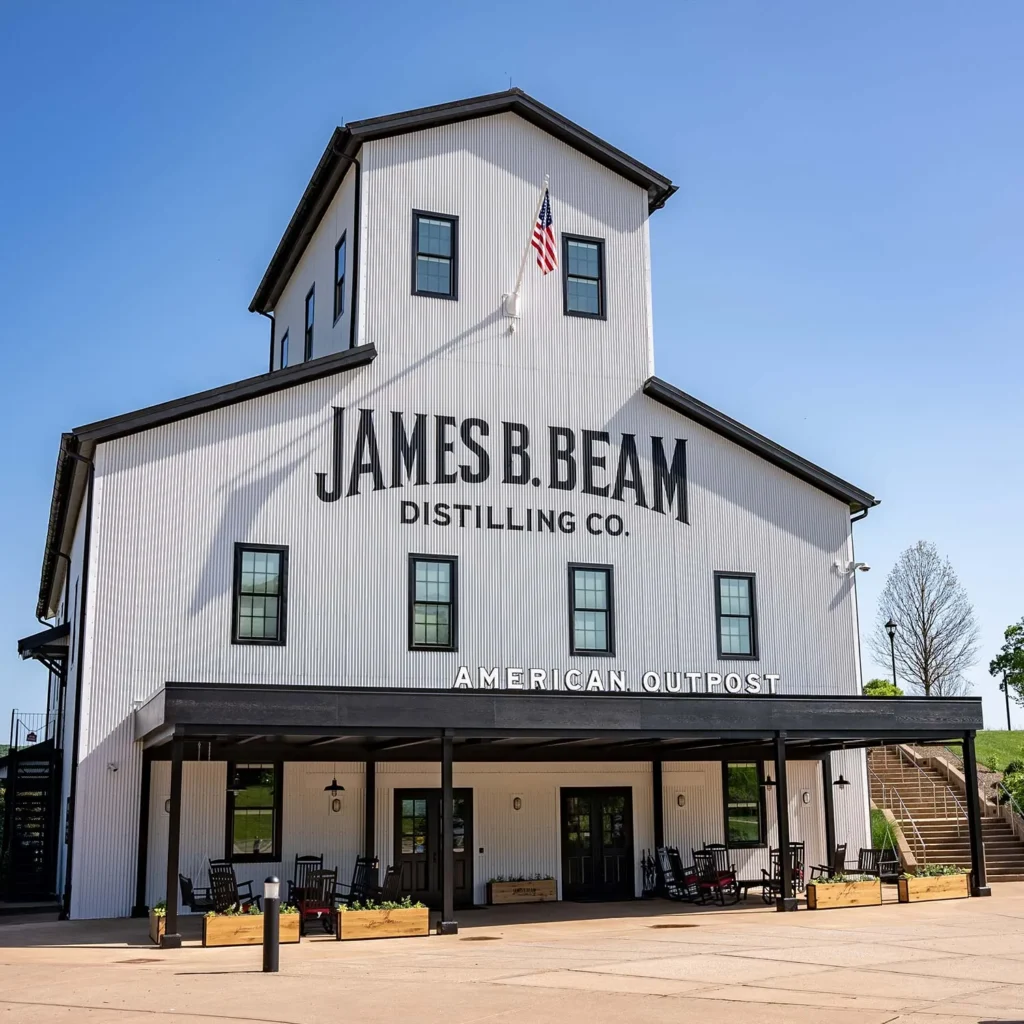
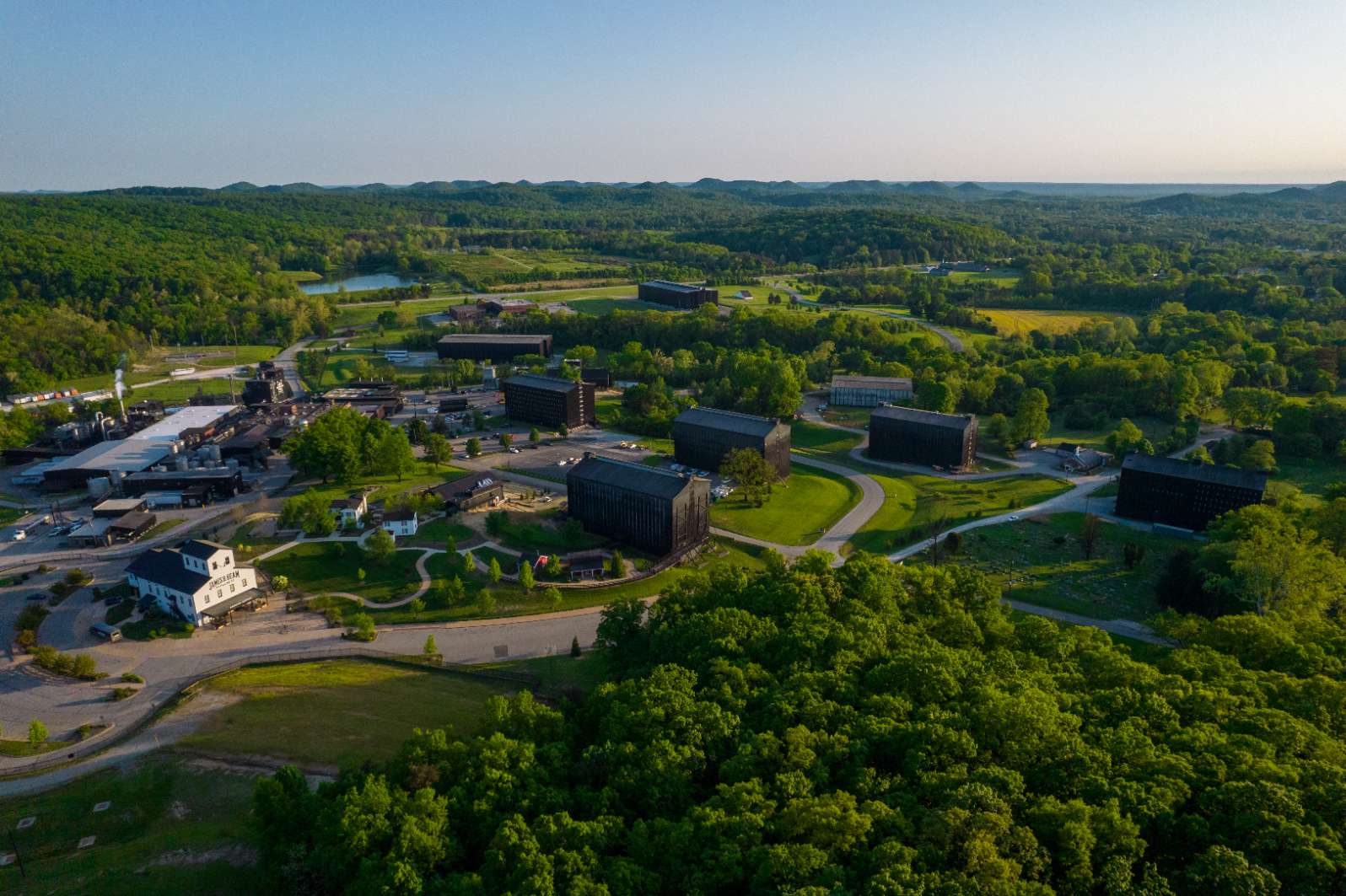
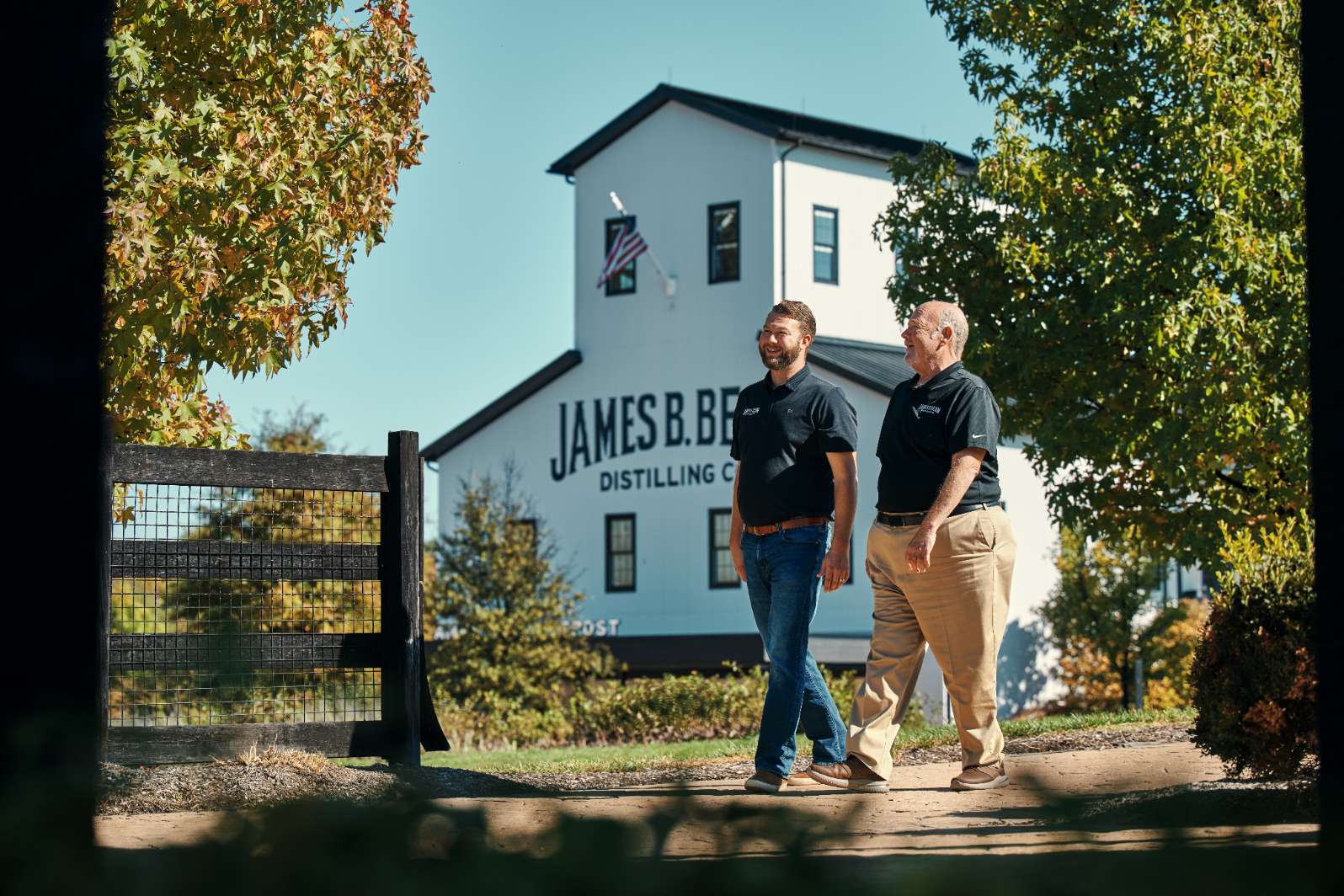
If your Southern history route takes you through Kentucky, perhaps on I-65 between Louisville and Nashville, you pass within 30 minutes of one of America’s most storied distilleries. The James B. Beam Distilling Co. in Clermont, Kentucky, sits just off Interstate 65 between Louisville and Bardstown, and it serves as a natural anchor for a bourbon-country day that complements any history-focused road trip.
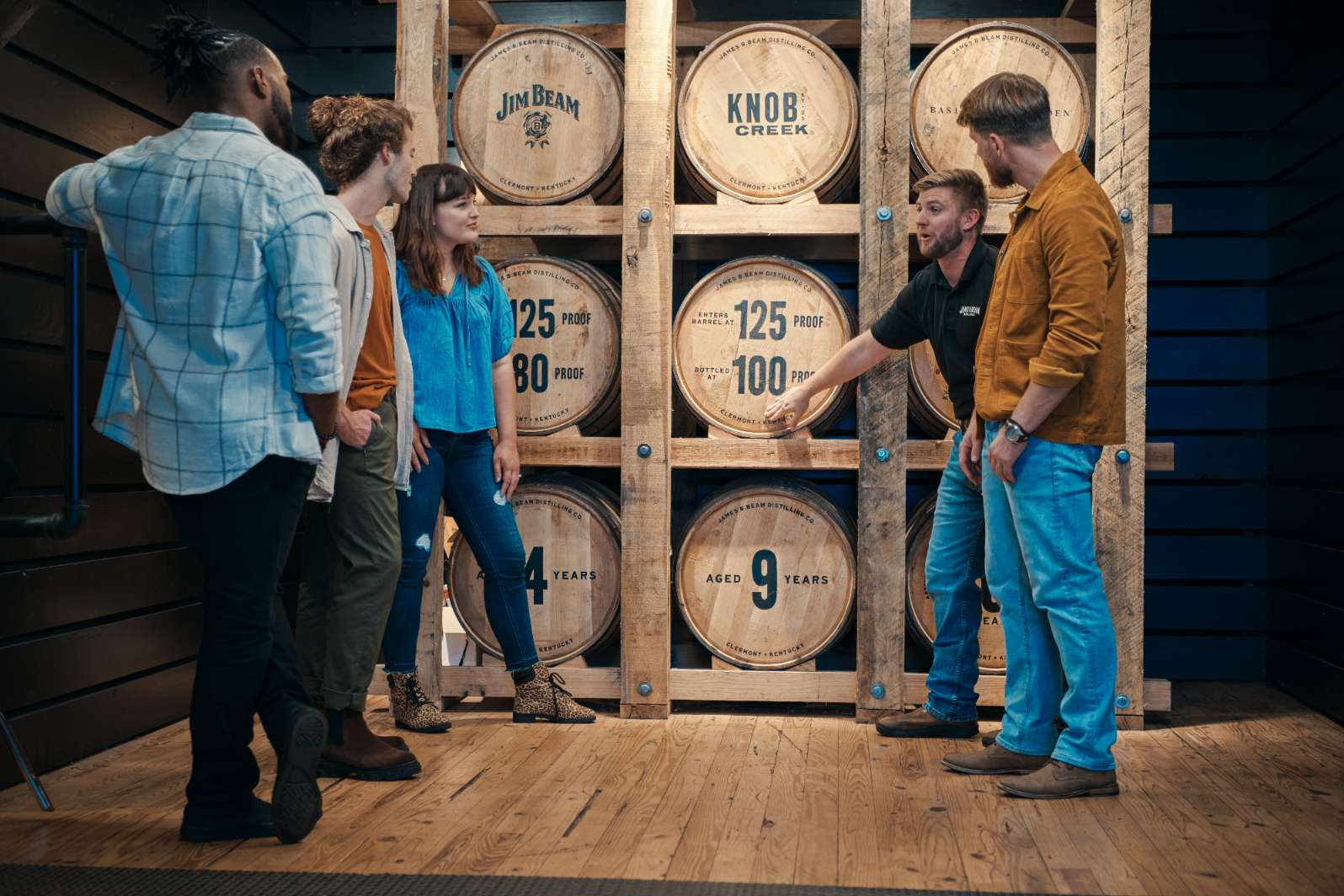
The flagship Beam Made Bourbon Tour & Tasting ($30, 75 minutes, up to 24 guests) delivers a grain-to-glass experience unlike any other stop on the Kentucky Bourbon Trail. Guests fill a barrel, dump a barrel, taste five bourbons as they go (Jim Beam White, Jim Beam Black, Basil Hayden, Knob Creek, and a rotating surprise), and bottle their own Knob Creek on the T-Line, pressing a thumbprint into the wax seal. The distillery holds a 4.7-star rating from more than 1,400 Google reviews, and eight generations of the Beam family have been making whiskey here since Jacob Beam sold his first barrel in 1795.
Jim Beam is the world’s #1 bourbon, and this is where it is made and aged alongside the entire Small Batch Collection: Knob Creek, Basil Hayden, Booker’s, and Baker’s. The American Outpost gift shop keeps hard-to-find and distillery-exclusive bottles on the shelf with no lottery or timed drops. The Kitchen Table restaurant, where the sourdough pizza uses the same yeast strain as the bourbon, turns a tour into a full day out. Master distillers Fred Noe (7th generation) and Freddie Noe (8th generation) are on site nearly every day.
Book Your Beam Made Bourbon Tour
Frequently Asked Questions
What Are the Top Historical Sites in the Southern US?
The South’s most significant historic sites span five eras and multiple states. A strong shortlist for any itinerary includes:
- Castillo de San Marcos National Monument (St. Augustine, FL) — oldest masonry fort in the continental US; construction began in 1672 and was completed in 1695. Check nps.gov for admission.
- Fort Sumter and Fort Moultrie National Historical Park (Charleston, SC) — site of the Civil War’s opening shots on April 12, 1861. Ferry access is required.
- Kings Mountain National Military Park (SC) — decisive October 7, 1780, Patriot victory. Free admission; plan 1.5–2 hours.
- Vicksburg National Military Park (MS) — 47-day 1863 siege that split the Confederacy. Admission is $20 per vehicle; allow 2–4 hours.
- Birmingham Civil Rights National Monument (AL) — walkable cluster including 16th Street Baptist Church and Kelly Ingram Park. Free, with 2–3 hours recommended.
- Martin Luther King, Jr. National Historical Park (Atlanta, GA) — King’s birth home, Ebenezer Baptist Church, and tomb. Free, with 2–3 hours recommended.
- Reconstruction Era National Historical Park (Beaufort, SC) — Camp Saxton, site of one of the South’s first Emancipation Proclamation readings. Free, with 1.5–2 hours recommended.
What Are the Oldest Historic Sites in the South?
St. Augustine, Florida, founded in 1565, is the oldest continuously occupied European settlement in the continental United States, 42 years older than Jamestown and 55 years older than Plymouth. The Castillo de San Marcos, completed in 1695, is the oldest masonry fortification in the continental US and still stands in St. Augustine. Charleston, South Carolina, established in 1670 as Charles Town by English colonists, is the oldest city in South Carolina and one of the most historically dense cities in the South. Mobile, Alabama, founded by French colonists in 1702, is the oldest city in the Deep South outside of Louisiana. Together, these four sites anchor the Colonial era of any Southern history itinerary.
Which Southern State Has the Most Historic Landmarks?
South Carolina stands out for sheer density. As mentioned earlier, South Carolina’s 200+ Revolutionary War sites are the most of any former colony, and the state hosts a dense NPS network that includes Ninety Six National Historic Site, Kings Mountain National Military Park, Cowpens National Battlefield, Fort Sumter and Fort Moultrie National Historical Park, Charles Pinckney National Historic Site, and Reconstruction Era National Historical Park. The state’s Olde English District alone covers seven counties with Revolutionary War skirmishes, battles, and events. For travelers who want to cover multiple eras in a compact geographic area, South Carolina offers a high return per mile driven.
What Are Some Hidden-Gem Historic Sites in the South?
Three sites consistently missing from mainstream travel lists reward the detour:
- Reconstruction Era National Historical Park (Beaufort County, SC) — interprets the period from 1861 to 1900, including Camp Saxton, Brick Baptist Church, and the Penn Center. Free admission; plan 1.5–2 hours.
- Ocmulgee Mounds National Historical Park (Macon, GA) — one of the most significant archaeological landscapes in the eastern United States, with mounds built by Mississippian peoples who arrived in central Georgia around 900 CE. Free admission; plan 1.5–2 hours.
- Ninety Six National Historic Site (Greenwood County, SC) — site of the first Revolutionary War battle south of New England and the war’s longest field siege at 28 days. Free admission; plan 1.5–2 hours, with a rare earthen star fort and scenic trails.
How Long Should I Spend at Each Southern Historic Site?
Plan 1.5 to 2 hours for compact sites like Ninety Six NHS, Kings Mountain NMP, Reconstruction Era NHP, and Ocmulgee Mounds NHP. Allow 2 to 3 hours for sites with ferry logistics or multiple buildings, including Fort Sumter and Fort Moultrie NHP and the Birmingham Civil Rights National Monument cluster. Budget 2 to 4 hours for large battlefield parks like Vicksburg NMP and Shiloh NMP, which have extensive driving loops, monuments, and museum exhibits. Add travel time between sites: the nonstop driving time from St. Augustine, Florida, to Charleston, South Carolina, is about 4 hours 27 minutes (276 miles), though some route estimates run closer to 5 hours. The Civil Rights Trail corridor from Birmingham to Montgomery to Atlanta spans roughly 3.5 hours of driving, combining the Birmingham-to-Montgomery leg (about 1 hr 58 min) and the Montgomery-to-Atlanta leg (about 2 hr 19 min).
What Is the Best Season to Visit Southern Historic Sites?
Spring (March–May) and fall (September–November) are the best seasons for most Southern historic sites. Temperatures are moderate, crowds are manageable, and outdoor battlefield and trail experiences are at their most comfortable. Summer works for coastal forts like Castillo de San Marcos and Fort Sumter, but an early start helps beat heat and afternoon crowds. Alabama’s NPS sites, including the Birmingham Civil Rights National Monument and Selma to Montgomery NHT, are most comfortable October through April. Reconstruction Era NHP and Ocmulgee Mounds NHP are pleasant year-round but peak in spring and fall.
Can I Pair a Historic Sites Trip With a Bourbon Distillery Visit?
Yes. The James B. Beam Distilling Co. in Clermont, Kentucky, is a natural choice. The distillery sits just off I-65 between Louisville and Bardstown, directly on the route travelers use when driving north from Tennessee or south from Ohio and Indiana. The flagship Beam Made Bourbon Tour & Tasting runs 75 minutes at $30 per person, covers the full grain-to-glass story, and includes hands-on moments such as filling and dumping a barrel and bottling your own Knob Creek. The Kitchen Table restaurant and the American Outpost gift shop make it a full day out. Active military visit free with valid ID; veterans receive a discount. All tastings are 21+ with valid ID, consistent with Drink Smart® responsible enjoyment standards.
Conclusion & Next Steps
The South’s historic sites feel most rewarding when you treat them as a connected narrative rather than a random checklist. Organizing by era, from the Colonial coast through the Revolutionary backcountry, Civil War heartland, Civil Rights corridor, and Reconstruction and Indigenous sites, gives every stop context that makes the next one more meaningful. The practical framework is straightforward: choose an era, build a route using the corridors above, book key sites in advance (especially ferry-access sites like Fort Sumter), and plan for 1.5 to 4 hours per stop depending on the site’s scale.
For travelers routing through Kentucky on I-65, the James B. Beam Distilling Co. in Clermont is a bourbon experience worth building into a Southern history itinerary. Eight generations of family distilling since 1795, the world’s #1 bourbon made and aged on-site, and a hands-on tour with a 4.7-star rating from more than 1,400 guests create a form of living history that pairs naturally with everything the South has to offer. Book your spot before popular weekend times sell out.
Book Your Spot Before Weekend Times Sell Out
This article is promotional content of James B. Beam Distilling Co. Please practice responsible drinking.