Written by: Tyler Himes, Senior Brand Manager – James B. Beam Distilling Co.
Key Takeaways
- “Small batch” is a marketing term without a legal definition, so batch size alone never guarantees quality or value.
- Flavor profile, price tier, and heritage versus craft production are the three practical ways to narrow your bourbon choices.
- The James B. Beam Distilling Co. created the small batch category in 1992 and remains the only home of the full Small Batch Collection.
- Heritage distilleries like Beam offer deep inventory, consistent house styles, and immersive visitor experiences at a scale craft distilleries rarely match.
- Ready to taste where the Small Batch Collection is made. Book your Beam Made Bourbon Tour & Tasting and plan your day in Clermont.
What “Small Batch” Actually Means
“Small batch” is a producer’s own designation, not a legal term. The federal regulations that define bourbon — mash bill, distillation proof, barrel type, and entry proof — never mention batch size, so the label alone never reveals how many barrels went into the bottle. Because there is no legal or industry-standard definition of “small batch” in American whiskey, a distillery may use anywhere from a handful of barrels to several hundred barrels under the term. The “best small batch bourbon distillery” question always comes down to judgment and fit, not a fixed rule.
The term “small batch” entered the bourbon vocabulary in 1992, when Jim Beam Brands’ master distiller Booker Noe coined it for the four boutique bourbons of the Jim Beam Small Batch Collection: Baker’s, Basil Hayden’s, Knob Creek, and Booker’s. Frederick “Booker” Noe II became the 6th-generation master distiller at the James B. Beam Distilling Co. in 1965, and he assembled the Jim Beam Small Batch Collection in 1992, when Baker’s, Basil Hayden, and Knob Creek joined Booker’s Bourbon on shelves. Those releases revived pre-Prohibition bourbon styles and pushed the category toward higher proof and bolder character. Beam coined the term and created the modern small batch category.
How To Choose Your Small Batch Bourbon
Most drinkers choose more confidently when they focus on three axes: flavor profile, price range, and heritage versus craft production.
Flavor profile. Sweet and caramel-forward drinkers often prefer wheated bourbons, where red winter wheat replaces rye in the mash bill and softens the spice. Spice-forward drinkers look for high-rye mash bills. Oak-forward drinkers seek longer age statements or higher barrel-entry proofs, since 60–70% of a bourbon’s flavor and 100% of its color come from barrel aging. High-proof fans gravitate toward uncut, unfiltered barrel-strength releases.
Price range. Price tiers help set expectations. At $30–$50, you will find most core expressions from established and heritage distilleries, where age statements, single barrels, bottled-in-bond, and barrel-proof designations start to appear regularly, while many craft bottled-in-bond releases sit higher and remain harder to find. At $50–$100, you enter premium single barrels and limited small batch releases, within a broader premium tier often defined as $60–$150. Above $100, bourbon generally falls into the ultra-premium or luxury tier, where limited-release and allocated whiskeys carry prices driven mainly by scarcity and demand, with that tier more precisely defined as $150 and above.
Traditional heritage versus craft. Heritage distilleries bring deep inventory, consistent house styles, and the infrastructure for hands-on visitor experiences. Craft distilleries highlight grain-to-glass transparency, smaller batches, and more experimental mash bills. Both camps produce standout bourbon, so the right choice depends on whether you value history and scale or experimentation and intimacy.
The Kentucky Heritage Picks
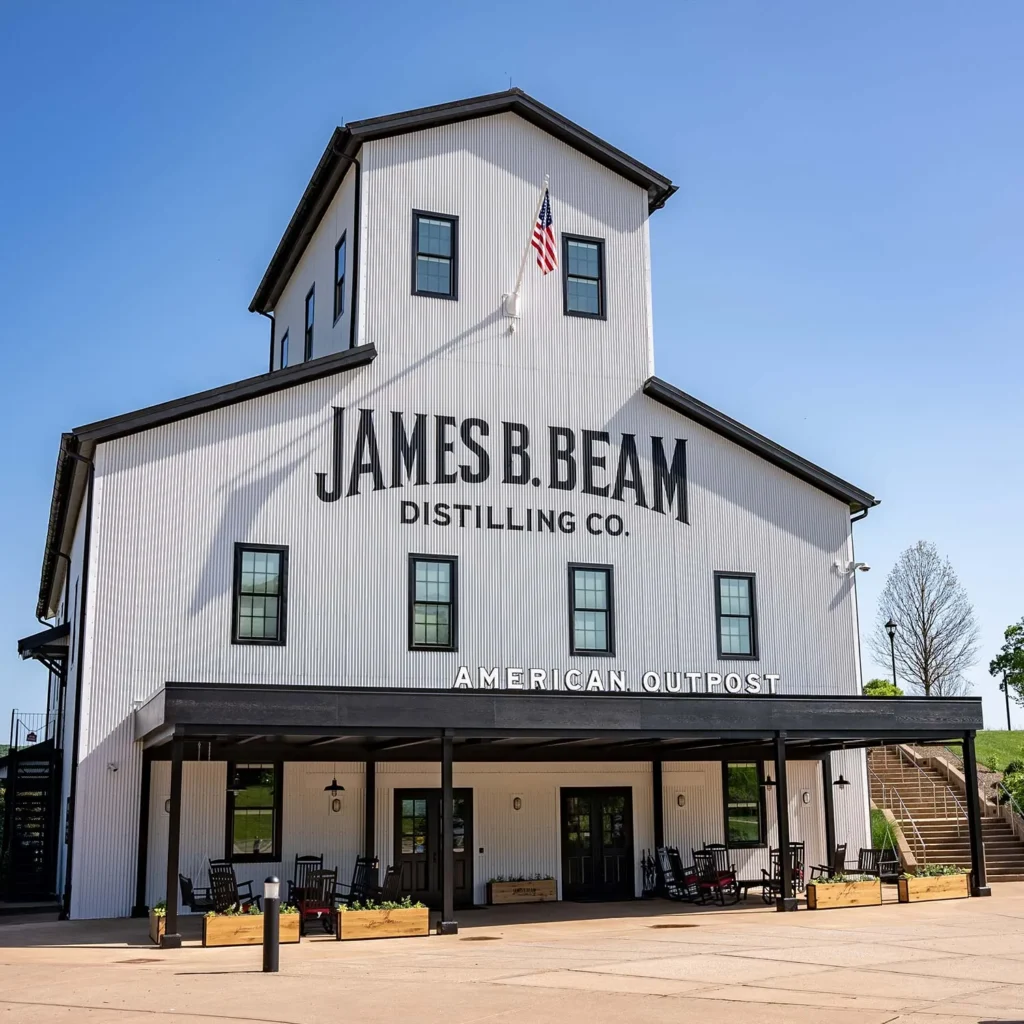
James B. Beam Distilling Co. — Clermont, Kentucky. This campus is the home of the entire Small Batch Collection. The distillery uses proprietary mash bills, a 65-foot legacy still known as “the Hardest Working Still in America,” and adjusts distillation and entry proofs during production. The same specific yeast strain the family has used since the end of Prohibition in 1933, which Jim Beam personally safeguarded on weekends, still runs through nearly every Beam bourbon today. Roughly 3.1 million barrels age across about 100 warehouses in Clermont, Boston, and Frankfort.
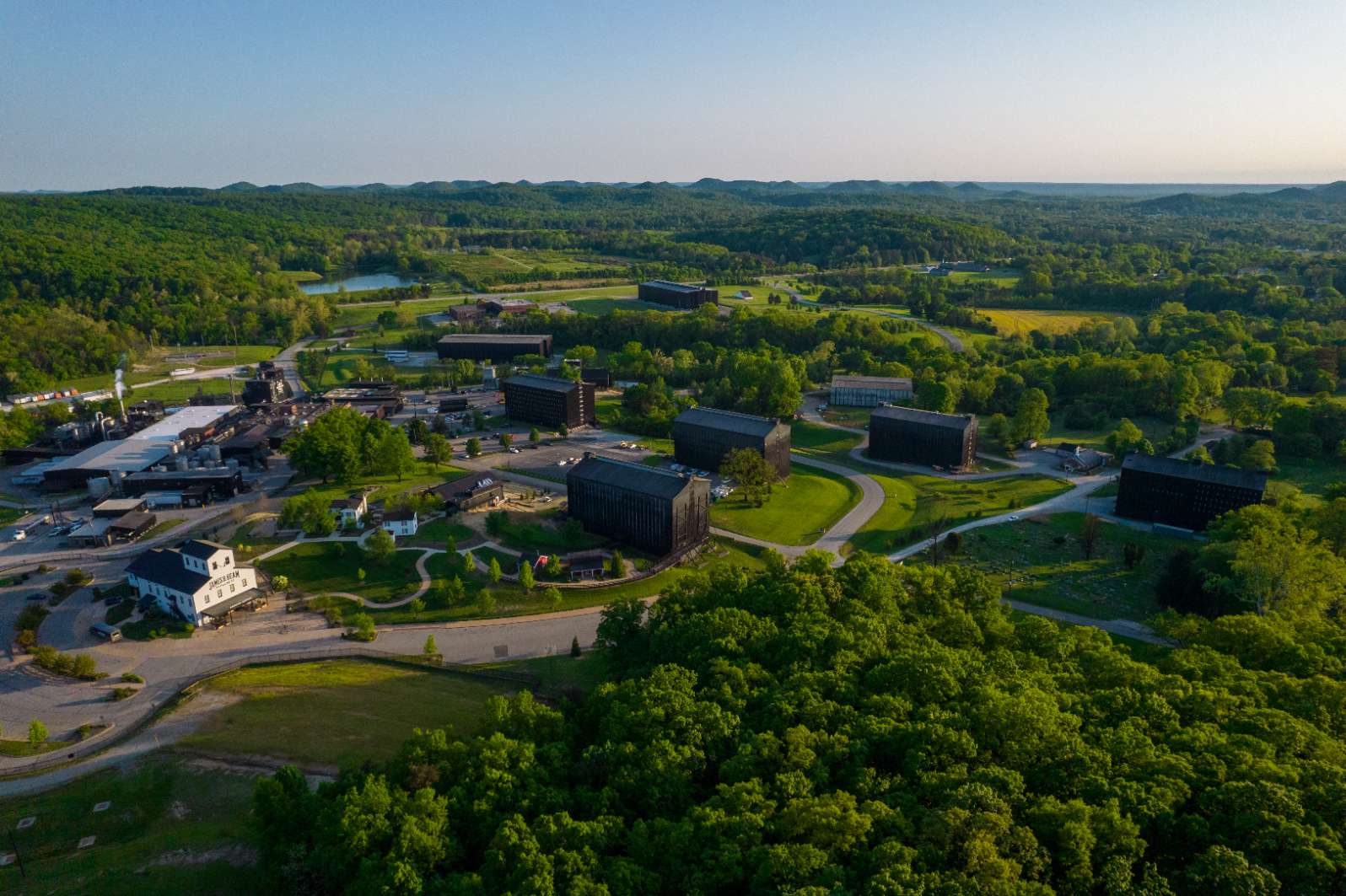
The portfolio under one roof includes Jim Beam, Knob Creek, whose primary 9 Year Old Bourbon is bottled at 100 proof and regained its age statement in 2021, Basil Hayden, Booker’s, typically aged 6 to 8 years and bottled between 120 and 130 proof, uncut and unfiltered, and Baker’s, a 107-proof single barrel since 2019 that uses the classic Jim Beam mash bill for its standard 7 Year and 13 Year expressions, plus Little Book and Hardin’s Creek. The Fred B. Noe Distillery, named for 7th-generation master distiller Fred B. Noe, houses award-winning small batch bourbons including Baker’s and Booker’s. Fred Noe and 8th-generation master distiller Freddie Noe are on site most days. Baker’s 7 Year Old was a finalist for Best Single Barrel Bourbon Up to 10 Years at the 2026 San Francisco World Spirits Competition, and Jim Beam Lineage earned Double Gold at the 2026 North American Bourbon & Whiskey Competition.
Four Roses — Lawrenceburg, Kentucky. Four Roses’ brand dates to 1888, while its Lawrenceburg distillery, originally the Old Prentice Distillery, has operated since 1910. The team produces ten distinct bourbon recipes from two mash bills and five proprietary yeast strains. Four Roses Small Batch blends four of those recipes, while Small Batch Select uses six and is non-chill-filtered at 104 proof. Master distiller Brent Elliott oversees the annual Limited Edition Small Batch, which in 2026 came from four batches aged 14 to 23 years and was bottled at 109.2 proof. This is the heritage pick for drinkers curious about how yeast shapes flavor.
Barton 1792 — Bardstown, Kentucky. Owned by Sazerac, Barton 1792 uses a high-rye mash bill under master distiller Ross Cornelissen. The core 1792 Small Batch offers a spice-forward, accessible entry point. 1792 XV, a 15-year-old bourbon bottled at 124.2 proof, earned Double Gold at the 2026 North American Bourbon & Whiskey Competition. This distillery is a strong value choice for high-rye fans.
The Best Craft Bourbon Distilleries: The Craft Outsiders
New Riff — Newport, Kentucky. New Riff’s Bottled-in-Bond Kentucky Straight Bourbon won World’s Best Bourbon at the 2026 World Whiskies Awards. Its bourbon mash bill is 65% corn, 30% rye, and 5% malted barley for both Bottled In Bond and Single Barrel Bourbon, and the core Bottled In Bond Bourbon is 100 proof, at least 4 years old, and non-chill-filtered, while other releases vary in proof and designation. Founded in 2014, New Riff is the craft pick for high-rye, technically precise bourbon.
Frey Ranch — Fallon, Nevada. Frey Ranch is a husband-and-wife, grain-to-bottle operation founded by Ashley and Colby Frey on the Frey family farm in Fallon, Nevada. Its flagship Straight Bourbon Whiskey uses a four-grain mash bill, is bottled at 90 proof, and is aged about five years, with a NAS label that still meets the four-year minimum. This is one of the rare distilleries that grows its own grain and suits drinkers who want full farm-to-glass transparency.
Kentucky Peerless — Louisville, Kentucky. Kentucky Peerless Henry Kraver Old Reserve 10 Year Old Bourbon won the 2026 ASCOT Awards Best Craft Bourbon category. Peerless uses a strictly sweet mash process and never chill-filters, releasing barrel-proof whiskey with no water added. This is the craft choice for collectors who chase age statements and robust proofs.
Chattanooga Whiskey — Chattanooga, Tennessee. Founded in 2011, Chattanooga released Chattanooga Whiskey “100” in 2015 and opened its Riverfront Distillery in 2017. Its Cask 111 expression presents an unfiltered, barrel-strength version of its Tennessee High Malt recipe, and Cask 111 Batch 26B16R Bourbon earned Double Gold at the 2026 San Francisco World Spirits Competition. This distillery fits malt-forward, non-traditional bourbon drinkers.
Starlight Distillery — Borden, Indiana. Starlight Distillery earned Double Gold medals at the 2026 SFWSC for its Amburana “Cigar Batch” Bourbon, Honey Reserve Bourbon, and Mizunara Reserve Bourbon, along with Blackberry Whiskey. This family farm distillery is known for creative cask finishing and suits drinkers eager to explore wood-forward experimentation.
Woodinville Whiskey — Woodinville, Washington. Woodinville sources grain from a farm in Quincy, Washington, distills in Woodinville, and then barrels, bottles, and ages its whiskey in Quincy, about 160 miles east across the Cascades. Its core Straight Bourbon is bottled at 90 proof. This is the pick for drinkers curious about how a cooler, non-Kentucky climate shapes bourbon character.
How Ratings Highlight Top Small Batch Bourbons
Major competitions rarely agree on a single permanent champion, because each uses different judging panels, scoring systems, and category definitions. In 2026, E.H. Taylor Jr. Small Batch won World’s Best Small Batch Bourbon at the World Whiskies Awards. Augusta Distillery Small Batch 6 Years took Best of Show at the North American Bourbon & Whiskey Competition with 97 points. Elijah Craig Small Batch won Best of Class in the consumer-judged SIP Awards. Across years and events, expressions from Four Roses, Heaven Hill, and the James B. Beam Distilling Co. portfolio appear regularly among top scorers.
How 1792 Small Batch Compares To Woodford Reserve
1792 Small Batch and Woodford Reserve serve different drinkers, so the better choice depends on your preferred style. The table below shows how their mash bills, proofs, and target audiences diverge, which turns the decision into a matter of taste rather than absolute quality.
| Bourbon | Mash Bill Character | Proof | Who It’s For |
|---|---|---|---|
| 1792 Small Batch | Made from Barton 1792 Distillery’s signature high-rye recipe, believed to be roughly 15–25% rye, with spice-forward character, sweet caramel and vanilla, and secondary dark fruit notes | 93.7 proof (46.85% ABV) | Drinkers who want assertive rye spice at an accessible price |
| Woodford Reserve | A blend of whiskey triple-distilled in copper pot stills and whiskey from column stills, with the pot-still component adding balanced rye and fruit notes | The flagship Distiller’s Select is 90.4 proof (45.2% ABV), while limited Batch Proof and Master’s Collection releases appear at higher proofs | Drinkers who want a smooth, approachable sipper with layered complexity |
1792 Small Batch works especially well in cocktails and for drinkers who like a rye-driven backbone. Woodford Reserve suits those who prefer a rounder, slightly softer profile. At the 2026 North American Bourbon & Whiskey Competition, 1792 Small Batch earned Gold with 93 points, while Woodford Reserve earned Silver at the 2026 SFWSC. Both bottles deserve a place on your shelf.
What Bourbon Fans Mean By “Holy Grail”
Many enthusiasts use “holy grail” to describe allocated and unicorn bottles such as George T. Stagg, William Larue Weller, and Pappy Van Winkle. These releases appear once a year in limited quantities and often vanish within hours through lotteries, timed online drops, or retailer relationships. William Larue Weller 2025, for example, carries a suggested retail price around $150, while secondary listings often range from about $1,300 to $1,800. For most drinkers, the chase itself becomes the main barrier.
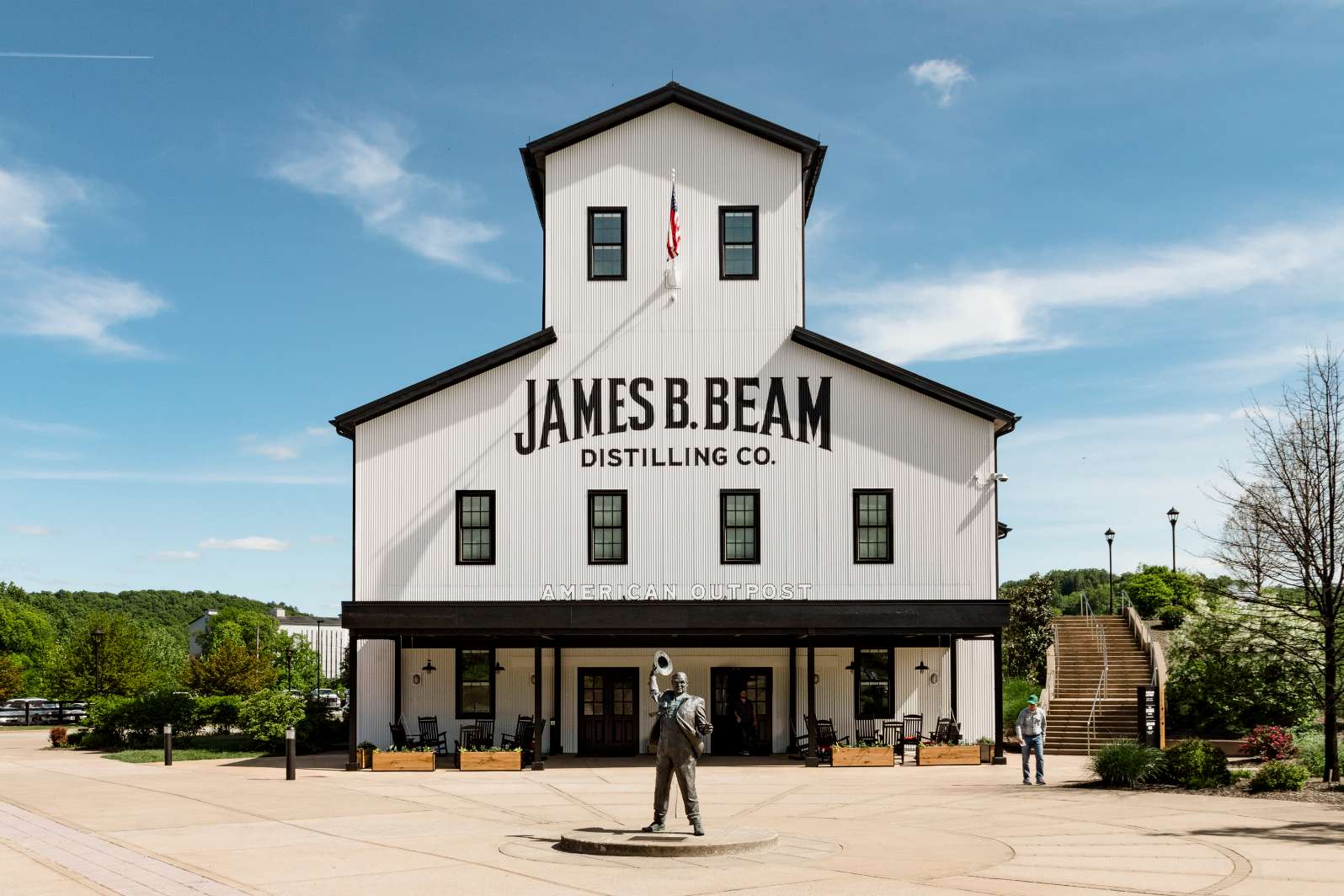
The James B. Beam Distilling Co.’s American Outpost gift shop takes a more accessible approach. Hard-to-find and distillery-exclusive bottles stay on the shelf and remain generally available until they sell through. Distillery-only exclusives include Lineage, a Fred-and-Freddie Noe collaboration with liquids up to roughly 20 years old, the Distiller’s Share experimental series, and a throwback bottled-in-bond Basil Hayden made only for the distillery. The three-tier Tasting Bar, with Vault, Legacy, and Heritage tiers, lets guests choose two pours from across the full range, including archived products the distillery no longer sells commercially. Drinkers who define a holy grail as a bottle they can actually buy and a pour they can actually taste often find that experience in Clermont.
Who Makes Costco And Kirkland Small Batch Bourbon
Store-brand bourbons such as Kirkland Signature come from contract producers under private-label agreements. Under 27 CFR § 5.66, the phrase “produced by” signals a processing operation that changes the class or type of the product, rather than confirming that the named company distilled the whiskey. “Distilled by” is the strongest provenance claim on a bourbon label and may be used only when the named entity actually distilled the whiskey.
Costco has historically not disclosed the producers of Kirkland Signature spirits, although several Kirkland bourbon expressions have named Barton 1792 on the front label since 2021. Any other producer named online remains speculation. The most reliable way to identify who made a store-brand bourbon is to look for a DSP number on the label and cross-reference it with TTB records. A DSP number identifies a distilled spirits plant registered with the TTB to produce, bottle, rectify, process, or store spirits, and a single physical distillery may hold more than one DSP number.
If You Only Pick One Distillery To Visit
The James B. Beam Distilling Co. in Clermont, Kentucky offers the clearest single answer to the small batch question because of what it concentrates in one place. The campus is home to the entire Small Batch Collection, so every bottle of Knob Creek, Basil Hayden, Booker’s, and Baker’s traces back here. It sits just off I-65, about 30 minutes south of Louisville between the city and Bardstown, and serves as the first stop on the Kentucky Bourbon Trail, which welcomed 2.7 million visitors in 2025.
The flagship Beam Made Bourbon Tour & Tasting runs 75 minutes, costs $30 plus tax and fees, and caps groups at 24 guests. It is hands-on by design. Guests fill a barrel, dump a barrel, and taste five bourbons along the way. The tasting includes Jim Beam White at Jim Beam’s original Cadillac, the car he used to carry the distillery’s wild yeast strain between Bardstown and Clermont in the early 1930s. Guests then sample Jim Beam Black, Basil Hayden while filling a barrel, Knob Creek at the barrel dump, and a rotating “surprise and delight.” After the tour, visitors can bottle their own Knob Creek on the T-Line, seal it with a thumbprint pressed into the wax for $59.99, and add engraving for $10.
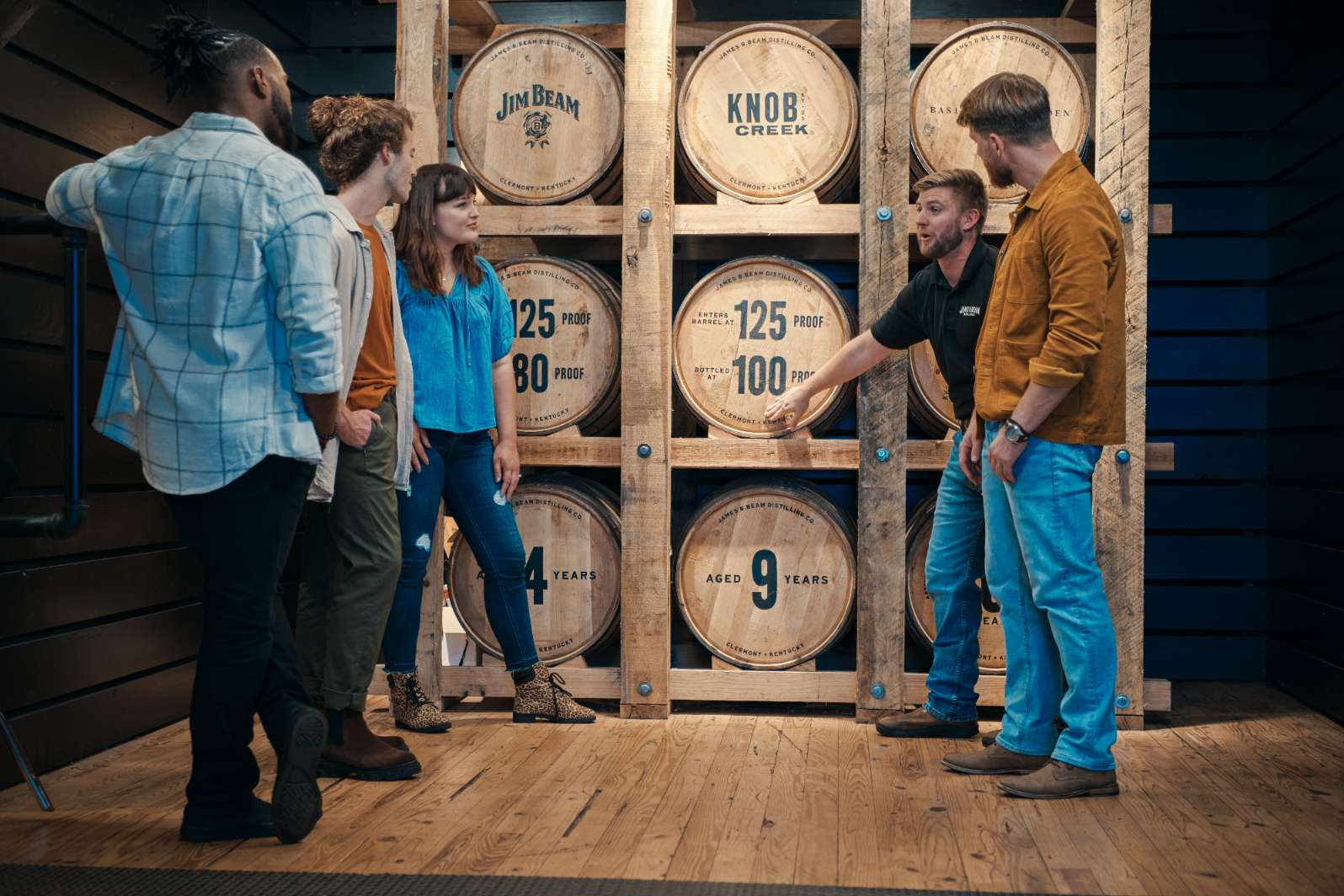
A 4.7-star rating across more than 1,400 Google reviews shows how consistently visitors enjoy the experience.
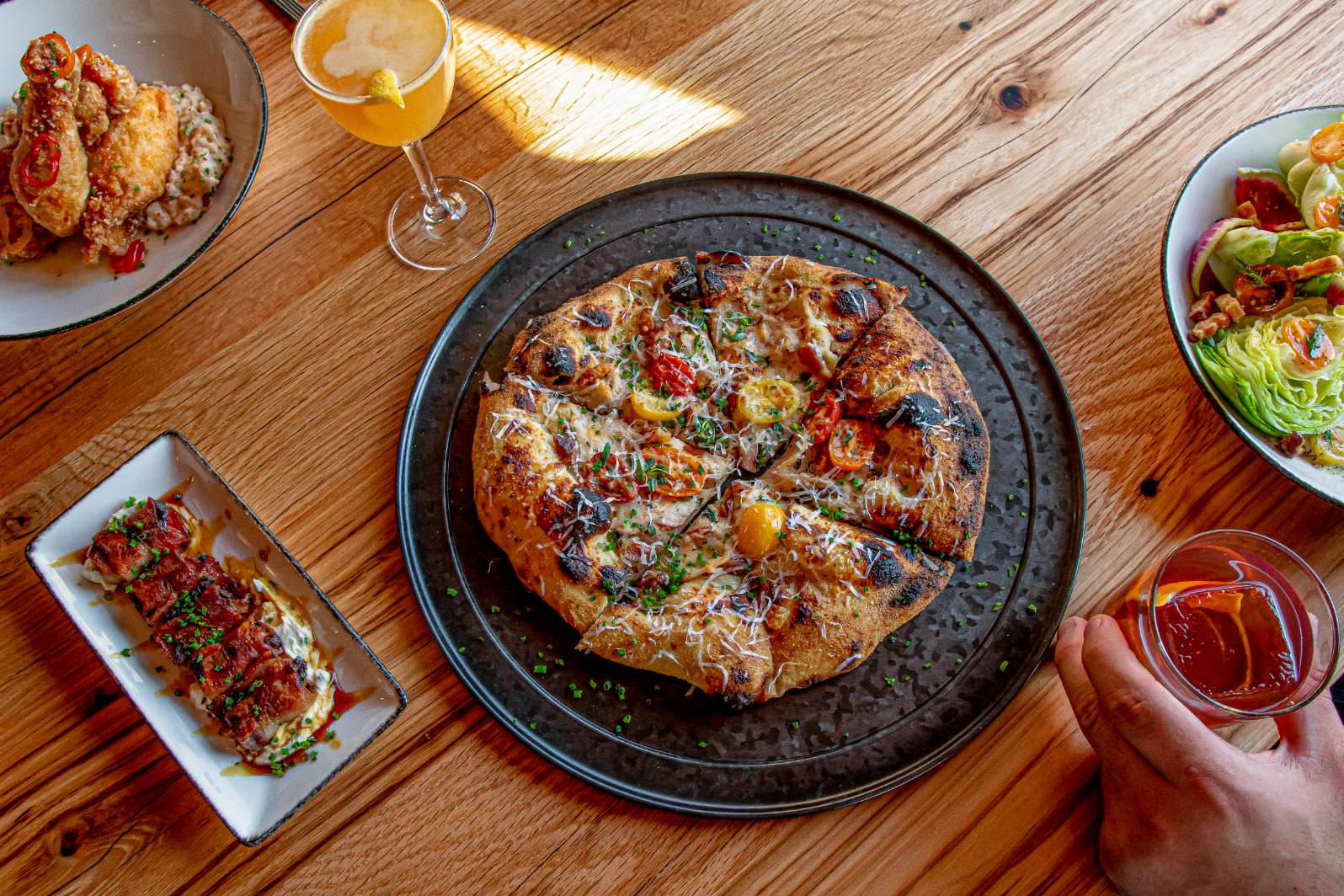
Returning enthusiasts can go deeper with the Maturation Matters warehouse tour, where guests thief whiskey straight from the barrel, or the Fred B. Noe Craft Distillery tour. Whiskey Wednesday, hosted by Fred Noe, offers a small-group tasting with direct access to the family. The Kitchen Table restaurant turns a visit into a full day out, serving Kentucky-inspired classics and a signature sourdough pizza made with the same yeast strain used in the bourbon.
Frequently Asked Questions (FAQ)
How Much Does The Beam Made Bourbon Tour Cost And How Long Does It Take?
The flagship Beam Made Bourbon Tour & Tasting costs $30 plus tax and fees and runs about 75 minutes. Plan two to three hours on site to visit the gift shop, enjoy the American Outpost Tasting Bar, and sit down at The Kitchen Table. Active military visit free with valid ID, and veterans receive a discount.
Do I Need A Reservation?
Guided tours and tastings should be booked in advance at beamdistilling.com, because popular weekend slots fill quickly during football season, Derby season, and summer. You can visit the grounds, the American Outpost gift shop, and The Kitchen Table restaurant without a reservation. Tours depart on time, and guests cannot join one already in progress, so arrive at least 30 minutes early.
Do I Have To Be 21, And Can I Bring My Kids?
All bourbon tastings are for guests 21 and older with a valid ID, consistent with Drink Smart® responsible-drinking standards. Families are welcome on the grounds, and children may accompany adults on select tours, but tasting portions remain strictly 21+.
Can I Meet The Beam Family?
Many visitors do. 7th-generation master distiller Fred Noe and 8th-generation master distiller Freddie Noe spend most days on site, signing bottles in the American Outpost and greeting guests. Fred leads Whiskey Wednesday tastings, which give visitors a direct conversation with the family behind the bourbon.
Can I Buy Hard-To-Find Bottles Or Bottle My Own?
The American Outpost gift shop keeps rare and distillery-exclusive bottles on the shelf and generally available until they sell out. Distillery-only exclusives include Lineage, the Distiller’s Share experimental series, and a throwback bottled-in-bond Basil Hayden made just for the distillery. On the Beam Made Bourbon Tour, guests can bottle their own Knob Creek on the T-Line for $59.99, with optional engraving for $10.
Is There Food On Site?
The Kitchen Table is a full-service restaurant and cocktail bar serving Kentucky-inspired classics with a Beam twist, including burgers, barbecue, fried chicken, and a signature sourdough pizza made with the same yeast strain used in the bourbon. The menu changes seasonally, and the monthly Supper Club offers a paired four-course dinner often timed to new releases.
Conclusion: Why Beam Belongs On Your Shortlist
Most Kentucky visitors can only fit two or three distilleries into a weekend, so each stop needs to count. The James B. Beam Distilling Co. in Clermont, Kentucky brings the entire Small Batch Collection, the birthplace of the small batch category, and eight generations of family distilling together on one working campus. It sits right off I-65 between Louisville and Bardstown and anchors the start of the Kentucky Bourbon Trail. The Beam Made Bourbon Tour & Tasting delivers a complete grain-to-glass experience in 75 minutes, with hands-on steps, taste-as-you-go pacing, and small groups.
That 4.7-star Google rating mentioned earlier reflects how often guests arrive curious and leave planning their next visit. Reserve your Beam Made Bourbon Tour & Tasting and experience the home of the Small Batch Collection for yourself.
Please enjoy responsibly. All tasting experiences are 21+ with valid ID required.
This article is promotional content of James B. Beam Distilling Co. Please practice responsible drinking.